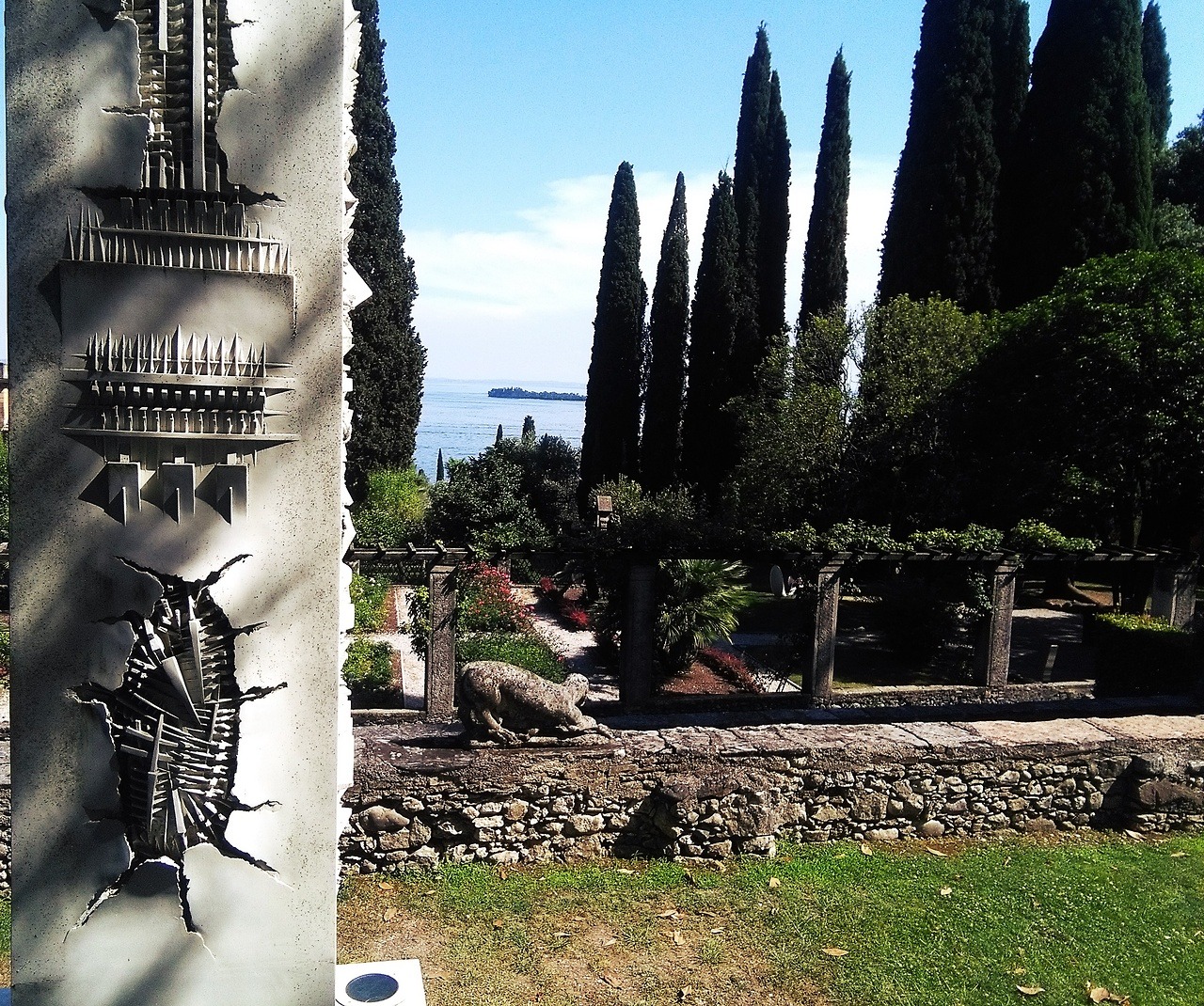
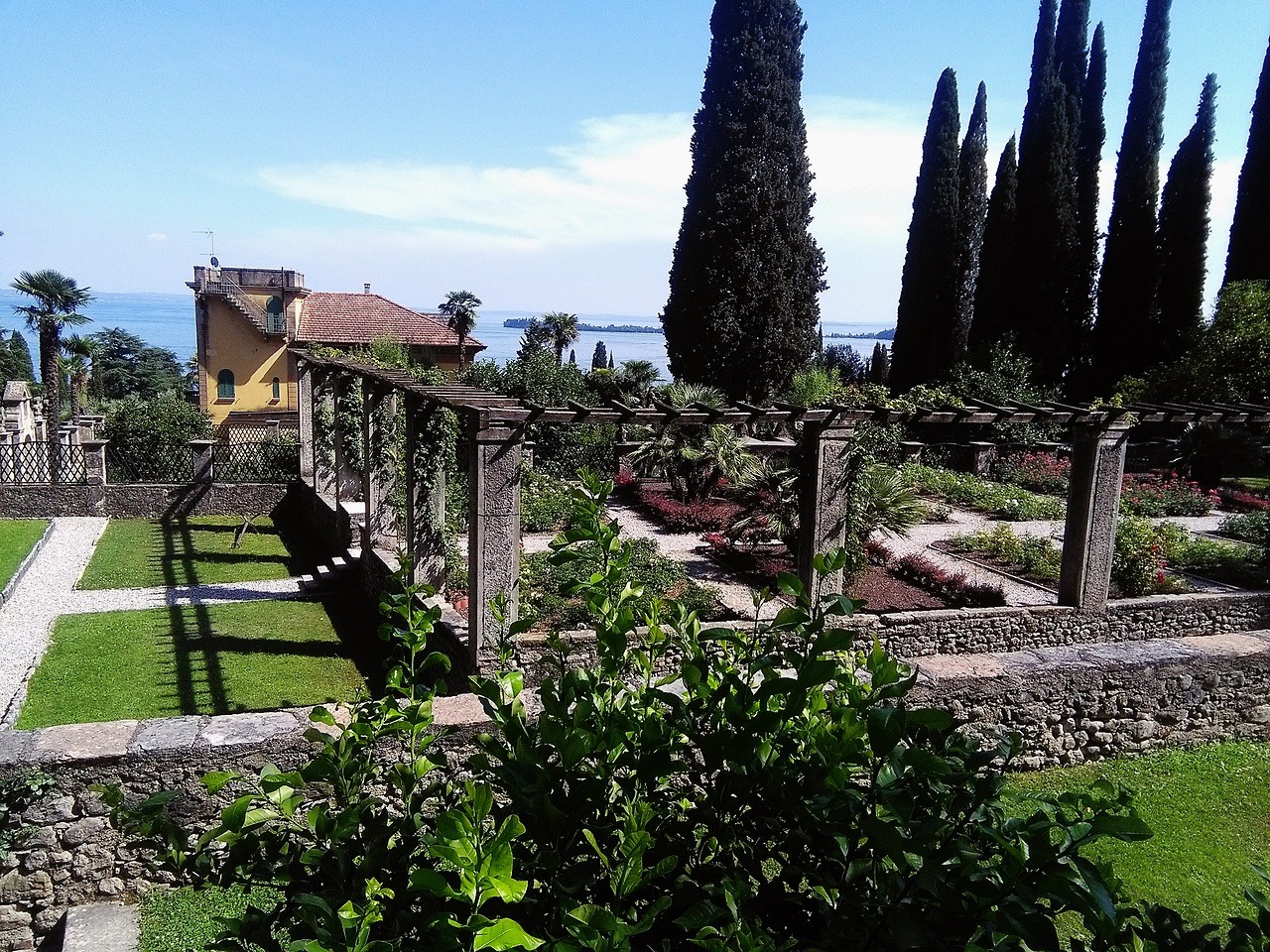
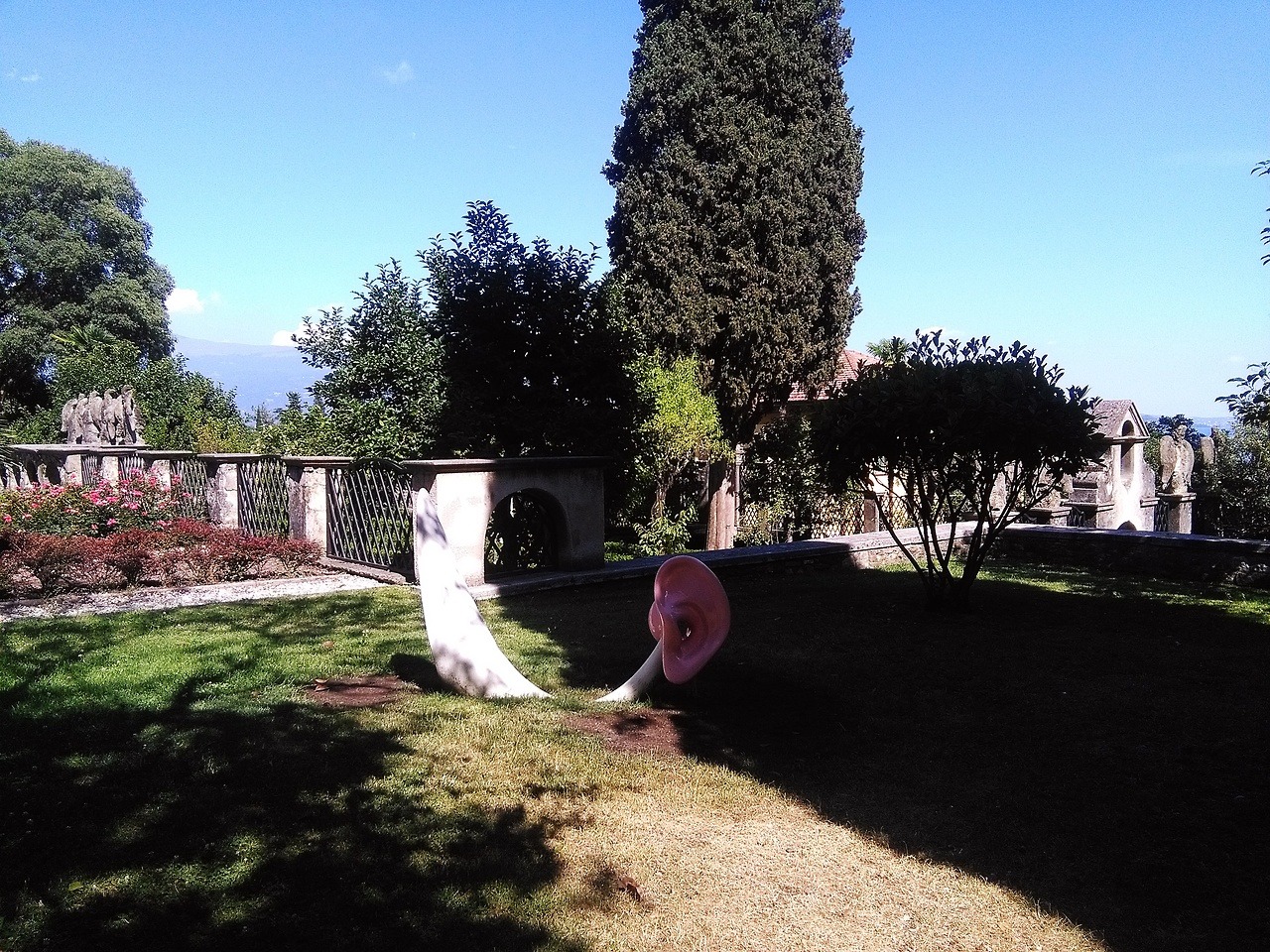
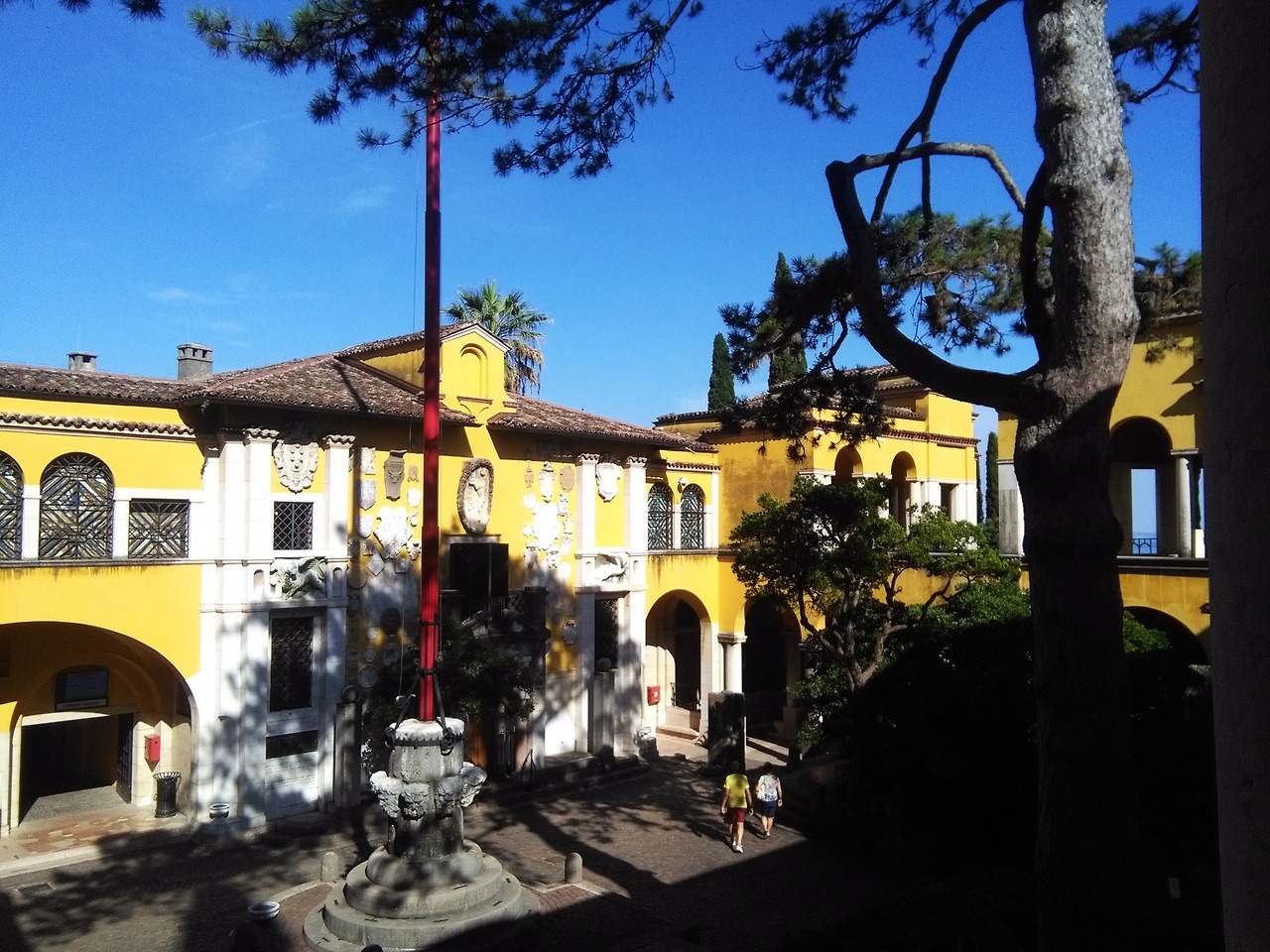
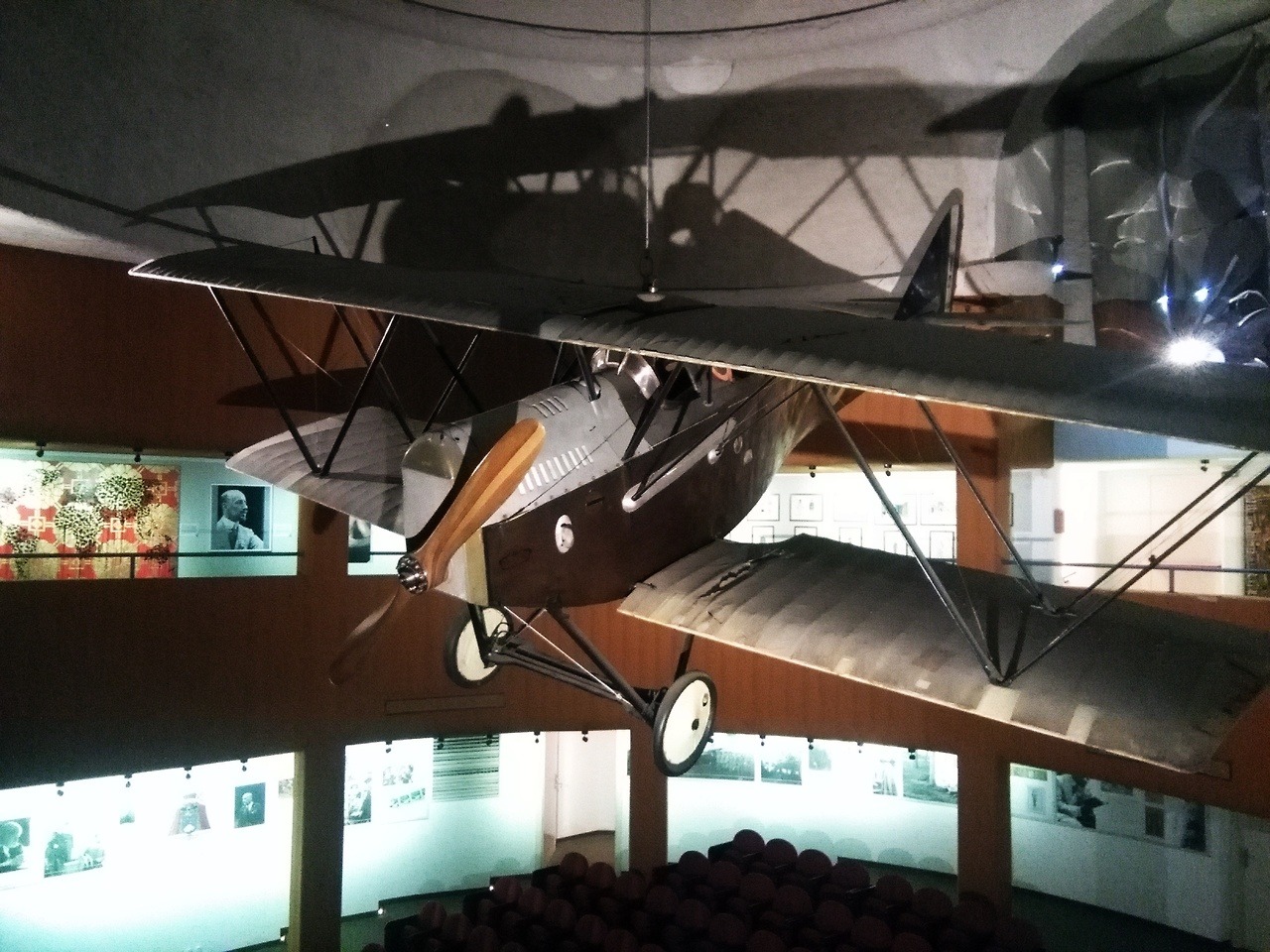
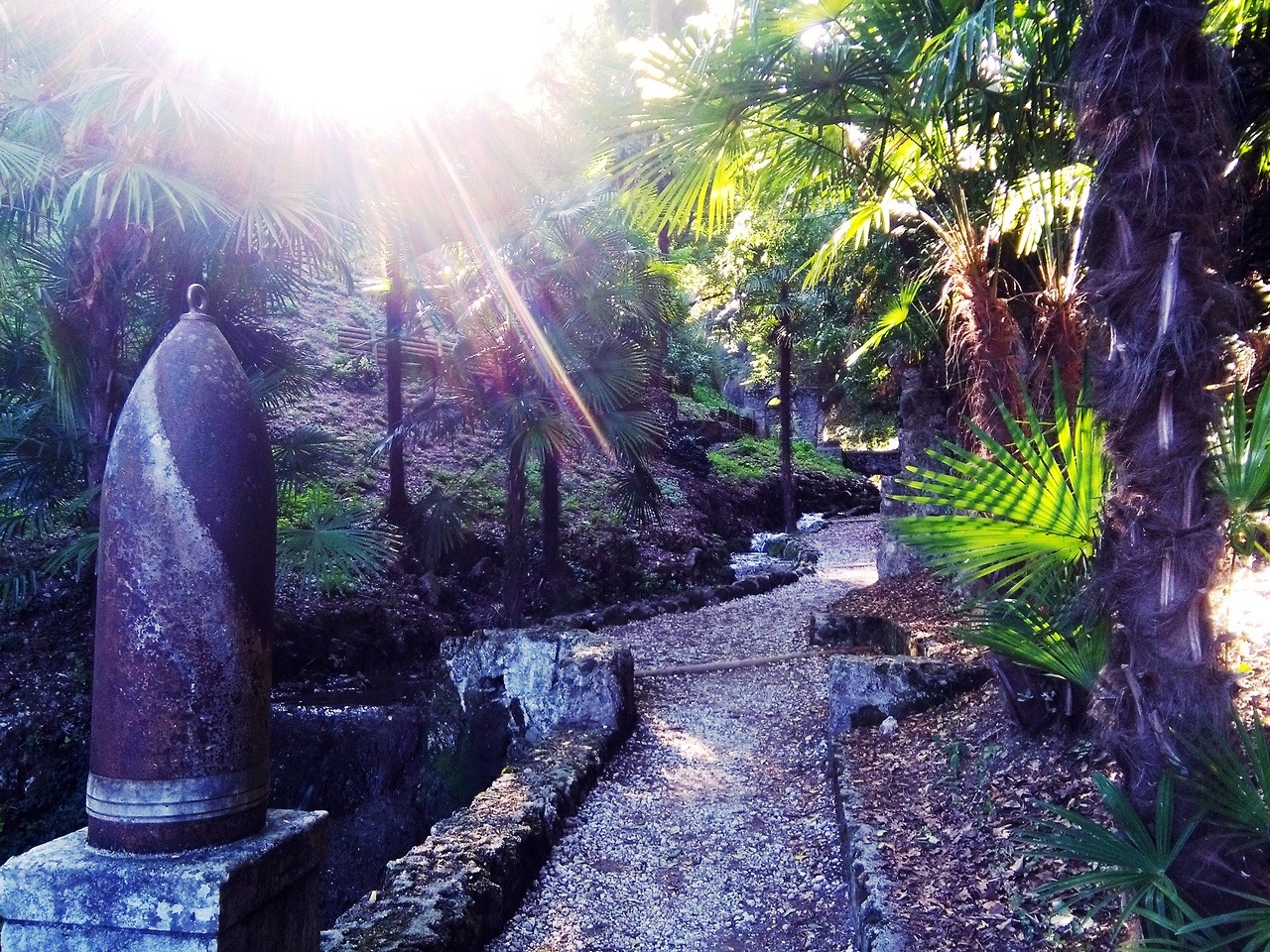
shrine to a dude, who even knows

12 Settembre 1919, cento anni fa D'Annunzio conquista, senza sparare un colpo, la città di Fiume, principale porto dell'ex Regno...

grandeguerra100:

12 Settembre 1919, cento anni fa D'Annunzio conquista, senza sparare un colpo, la città di Fiume, principale porto dell'ex Regno di Ungheria. Il poeta soldato alla guida di granatieri, arditi, dragoni, bersaglieri ciclisti e sette autoblindo la definisce la Santa Entrata a ricordo della “Santa Intrada”, l'ingresso dei primi rappresentanti della Repubblica di Venezia a Zara in Dalmazia, il 31 luglio 1409.
Sono partiti nella notte da Ronchi, ora Ronchi dei Logionari, D'Annunzio è febbricitante ma “ancora una volta lo spirito domerà la carne miserabile”, così il Comandante scrive a Mussolini. L'impresa inizia, riprendendo le parole di D'Annunzio “sotto un cielo di costellazioni fauste dove correva non so che un brivido garibaldino”. Arrivano a Fiume all'alba, D'Annunzio è proclamato Comandante della città.
Nel pomeriggio, al Palazzo del Governo, pronuncia il suo primo discorso ai Fiumani - “mi sono accorto di essere divenuto un oratore solo a Fiume” confesserà tempo dopo":

“Italiani di Fiume, eccomi.
Non vorrei pronunziare oggi altra parola. Ecco l’uomo; che ha tutto abbandonato di sé e tutto ha dimenticato di sé per esser libero e nuovo al servigio della Causa bella, della Causa vostra: la più bella nel mondo, e l’eccelsa, per un combattente che in tanta bassezza e in tanta tristezza cerchi ancóra una ragione di vivere e di credere, di donarsi e di morire.
Eccomi. Sono venuto per donarmi intiero. E non domando se non di ottenere il diritto di cittadinanza nella Città di Vita. […] Nel mondo folle e vile, Fiume è oggi il segno della libertà!”.


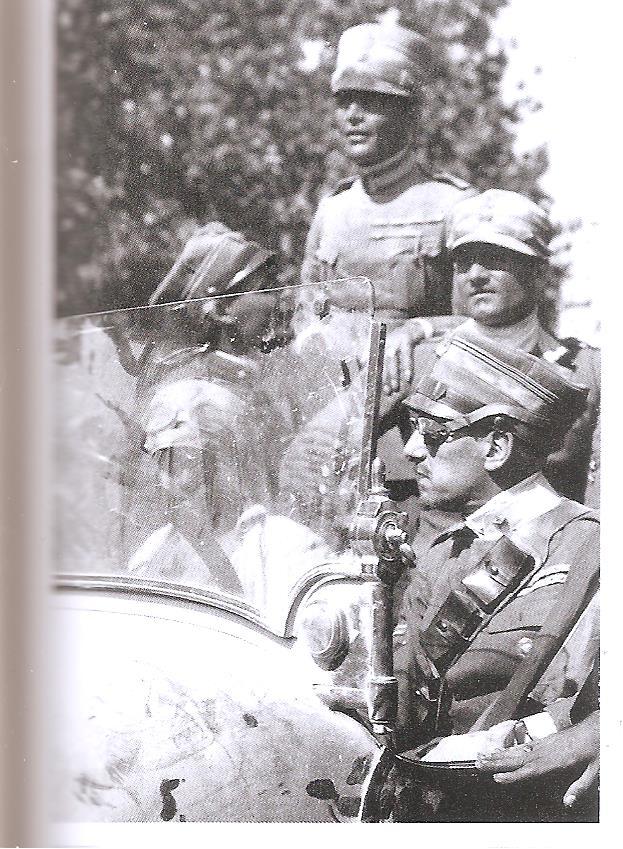
Nella foto, Gabriele D'annunzio a bordo della T4, la macchina con cui entra a Fiume.In piedi alle sue spalle, il maggiore Carlo Reina, comandante dei Granatieri di Sardegna. ENGLISH

12 September 1919, one hundred years ago D'Annunzio captures the city of Fiume, the Kingdom of Hungary’s largest and most important seaport, without firing a single shot. Gabriele D'Annunzio, the soldier-poet, at the helm of grenadiers, Arditi, dragoons, Bersaglieri cyclists and seven armoured cars, labels their entrance in the city as the Santa Entrata (Holy entrance) “Santa Intrada”, recalling the “Santa Intrada”, the entrance of the first representatives of the Republic of Venice to Zara in Dalmatia, on 31 July 1409.

They left in the night from Ronchi, now Ronchi dei Logionari, D'Annunzio is feverish but “once again the spirit will tame the miserable flesh” as he writes to Mussolini.
Their expedition starts, quoting D'Annunzio, “under a sky of auspicious constellations where a certain Garibaldian thrill was felt”. They arrive in Fiume at dawn, D'Annunzio proclaims himself “Comandante” (Commander) of the city.


In the afternoon, at the Palazzo del Governo (Government Palace), he gives his first speech to the Fiumans - “I realized that I had become a speaker only in Fiume” he confesses later “-

“Italians of Fiume, here I am.
I would not like to pronounce another word today. Here’s the man who has given everything and has forgotten everything in order to be free and new to the service of the beautiful Cause, of your Cause: the most beautiful Cause in the world, and the sublime, for a fighter who in so much lowliness and sadness seeks a reason to live and to believe, to give himself and to die.
Here I am. I came to give myself whole. And I do not ask anything if not to obtain citizenship in the City of Life. […]
In this mad and vile world, Fiume is today the symbol of freedom!”


In the picture, Gabriele D'Annunzio during the entrance in Fiume, standing behind is Major Carlo Reina, the commander of the Grenadiers.
Tagged: gabriele d'annunzio d'annunzio

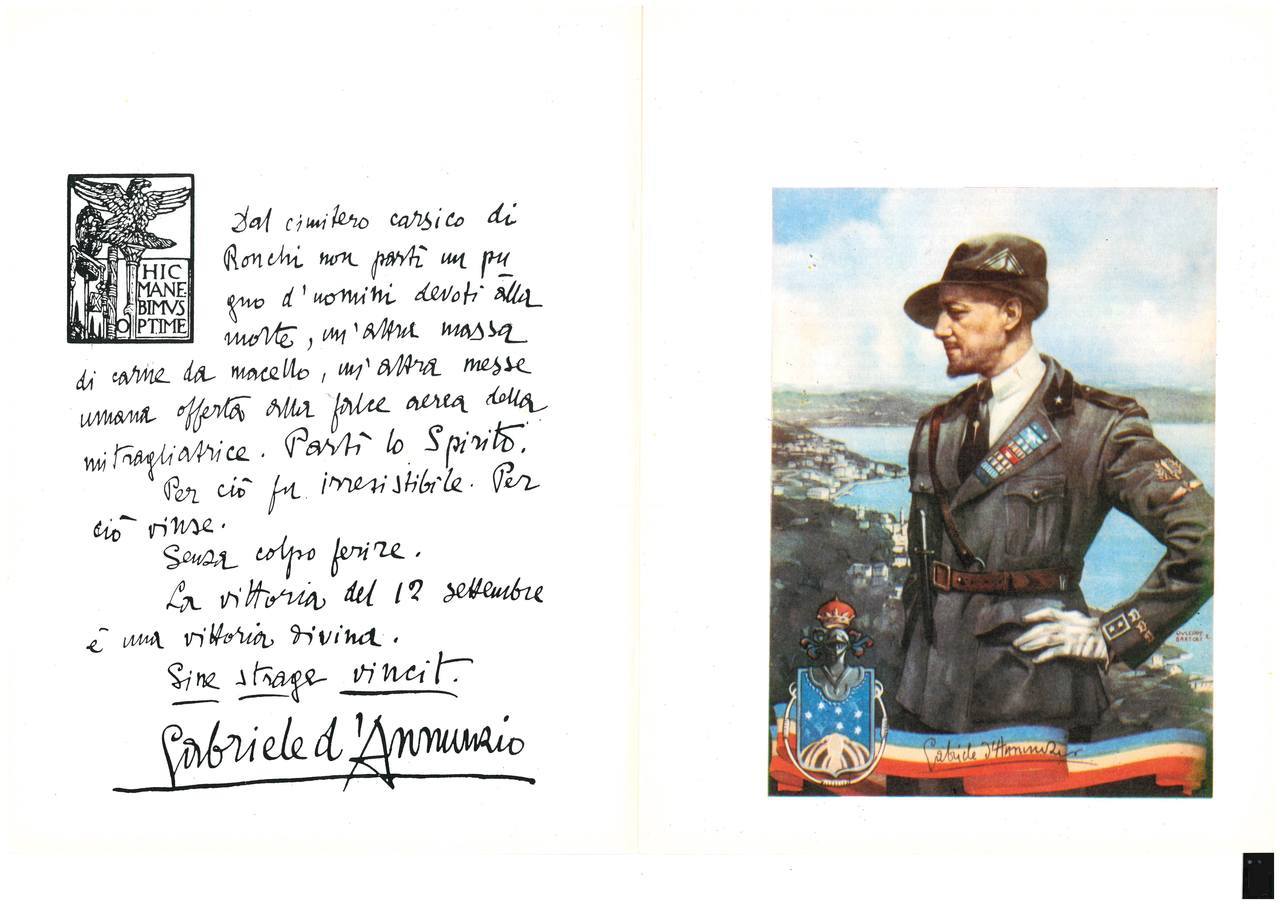
100 years ago, Gabriele d'Annunzio began his occupation of the city of Fiume (now Rijeka, Croatia)

100 years ago, Gabriele d'Annunzio began his occupation of the city of Fiume (now Rijeka, Croatia)

Tagged: gabriele d'annunzio

My "If I went to war I'd want to be instrumentally used for victory" conflicting with my "If I went to war I'd want the chance...

My “If I went to war I’d want to be instrumentally used for victory” conflicting with my “If I went to war I’d want the chance to experience death” around the realization that at this point I’d probably be most useful as a Military Intelligence fobbit

Gabby d'Annunzio was older in WWI, fair, but by close enough I can’t just assume I’ll be an equivalent by then

Tagged: gabriele d'annunzio

you're going to get fragged, and that wouldn't advance any mission but it will give everyone a good laugh.

Anonymous asked:

you're going to get fragged, and that wouldn't advance any mission but it will give everyone a good laugh.

kontextmaschine:

Oh the funny thing is at the same time I totally root for fragging. When Gabriele d'Annunzio conquered Fiume one of his first actions was to relax military discipline by submitting officers to elections and eliminating uniform and facial hair regulations.

Ol’ Gabby’s key, of course, was to work up a sense of glory around the act of dying itself, not just the act of winning

Tagged: gabriele d'annunzio

Italian Nationalist Poet D’Annunzio Calls for War

today-in-wwi:

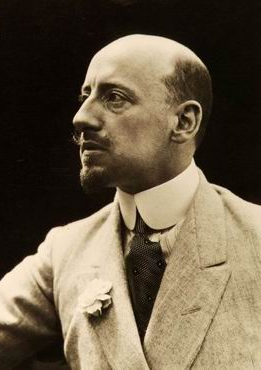
Gabriele D’Annunzio (1863-1938), poet, personality, and proto-fascist.

May 5 1915, Genoa–Although his literary efforts are now largely forgotten, the poet, novelist, and playwright Gabriele D'Annunzio was perhaps the most widely-known living Italian in 1915. His writing was acclaimed, and he had a personality to match; Mark Thompson writes that “His greyhounds wore livery tailored by Hermès. His correspondence with his jeweller has been published as a separate volume.” Since 1910 he had been living in self-imposed exile in Paris. He had long been an ardent nationalist and jingo; a 1911 series of poems celebrated Italy’s war against Turkey and attacked Austria as well. Lines comparing the Austrian national symbol to “the head of a vulture which vomits the undigested flesh of his victims” got his works censored by Giolitti’s government in Italy due to their potential threat to Italy’s foreign relations. He welcomed the war when it came, seeing it as “almost divine…[a] struggle of races, an opposition of irreconcilable power, a trial of blood,” and strongly advocated Italy’s entry on the side of the Allies. 

He returned to Italy in glorious fashion in early May, having been invited to speak at the dedication of a monument to Garibaldi and his redshirts in Genoa. He arrived on the evening of May 4, telling the crowd greeting him: “Doubt cannot touch us. We shall not let Italy be dishonored; we shall not let the fatherland perish…[You want] a greater Italy, not by acquisition but by conquest, not measured in shame but but as the price of blood and glory.“ 

His main speech was given the next day; the King and his government were to have been in attendance, but were kept away by Salandra at the last moment. D'Annunzio was surrounded by Italian volunteers who had served on the Western Front, released by the French to help D'Annunzio spread his pro-Allied propaganda in Italy. It featured such gems as this take on the Sermon on the Mount:

O blessed are they that have, for they have more to give, they can burn more brightly. Blessed are the twenty-year-olds, pure of mind, well-tempered in body, with courageous mothers. Blessed are they who, waiting with confidence, do not dissipate their strength but guard it in the discipline of the warrior. Blessed are they who disdain sterile love-affairs to be virgins for this first and last love. Blessed are the young who hunger and thirst for glory, for they shall be sated. Blessed are the merciful, for they shall have splendid blood to wipe away, radiant pain to bind up.

He continued in like manner, lamenting the fate of "the martyred cities” under the Austrian yoke. He would then continue onto Rome in the subsequent days, where from his hotel balcony he would say:

No we are not, we do not want to be a museum, an inn, a holiday destination, a horizon touched up with Prussian blue for international honeymoons, a delightful marketplace for buying and selling, for swindling and bartering. Our Genius calls us to put our stamp on the confused material of the new world.

He then railed against the government:

If it is a crime to incite the citizens to violence, then I boast of committing that crime. Today the treachery is blatant. We don’t only breathe in its horrid stench, we feel all its appalling weight. And the treachery is being committed in Rome, city of the soul, city of life.

Of course, the government, unbeknownst to D'Annunzio, had already committed themselves to war by the Treaty of London. The day before D'Annunzio’s speech in Genoa, the government repudiated the Triple Alliance that had bound them to Germany and Austria. Reacting to this news, and to D'Annunzio’s vitriolic speech, Italian chief of staff Cadorna rushed to meet Salandra, warning him that “this means immediate war!” Salandra then informed Cadorna that they were bound to enter the war by May 26; this was the first Cadorna, the man responsible for the Italian Army, had heard of this. 

Sources include: Mark Thompson, The White War.

This is the most complete English version of d’Annunzio’s “Sermon on the Mount” speech I’ve seen

Tagged: gabriele d'annunzio d’annunzio

How would you summarise your political views? I'm having a hard time placing you.

philippesaner asked: How would you summarise your political views? I'm having a hard time placing you.

1) bold of you to assume I have a coherent politics

2) d’Annunzian

3) Rinbu Revolution, the Shoujo Kakumei Utena OP - let’s live our lives heroically, let’s live them with style

4) no seriously, d’Annunzian

Tagged: gabriele d'annunzio

Il volo su Vienna: Testo italiano della traduzione tedesca del volantino, scritto da Ugo Ojetti: “Viennesi! Imparate a...

grandeguerra100:

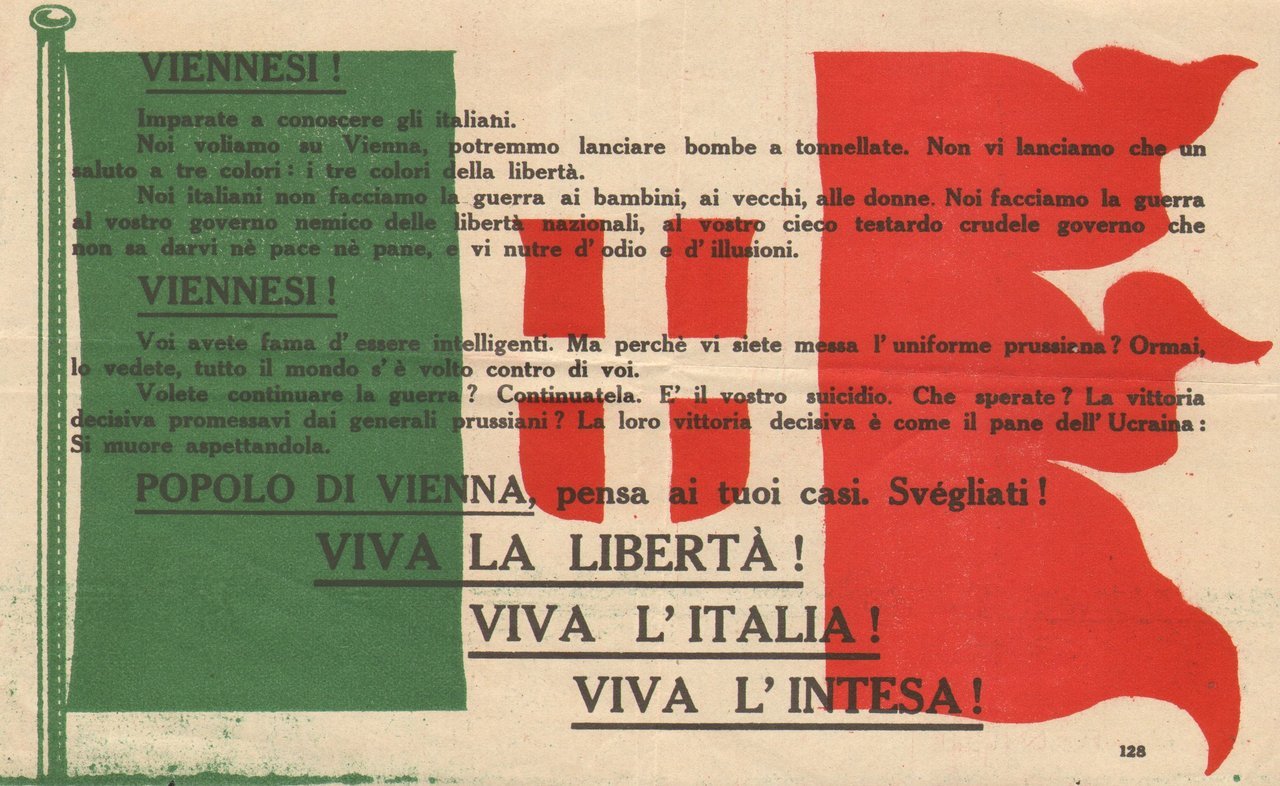
Il volo su Vienna: Testo italiano della traduzione tedesca del volantino, scritto da Ugo Ojetti:

“Viennesi!
Imparate a conoscere gli italiani. Noi voliamo su Vienna, potremmo lanciare bombe a tonnellate. Non vi lanciamo che un saluto a tre colori: i tre colori della libertà.
Noi italiani non facciamo la guerra ai bambini, ai vecchi, alle donne. Noi facciamo la guerra al vostro governo nemico delle libertà nazionali, al vostro cieco testardo crudele governo che non sa darvi né pace né pane, e vi nutre d'odio e d'illusioni.
VIENNESI!
Voi avete fama di essere intelligenti. Ma perché vi siete messi l'uniforme prussiana? Ormai, lo vedete, tutto il mondo s'è volto contro di voi.
Volete continuare la guerra? Continuatela, è il vostro suicidio. Che sperate? La vittoria decisiva promessavi dai generali prussiani? La loro vittoria decisiva è come il pane dell'Ucraina: si muore aspettandola. POPOLO DI VIENNA, pensa ai tuoi casi. Svegliati!
VIVA LA LIBERTÀ!
VIVA L'ITALIA!
VIVA L'INTESA!”

ENGLISH: The flight over Vienna. Italian text of the propaganda leaflet written by Ugo Ojetti that Italian poet Gabriele D'Annunzio threw from his airplane during his flight above Vienna:
“VIENNESE!
Learn to know Italians.
We are flying over Vienna; we could drop tons of bombs. All we are dropping on you is a greeting of three colors: the three colors of liberty.
We Italians do not make war on children, on old people, on women.
We are making war on your government, the enemy of national liberties, on your blind, stubborn, cruel government that can give you neither peace nor bread, and feeds you hatred and illusions.
VIENNESE!
You are famous for being intelligent. But why have you put on the Prussian uniform? By now, you see, the whole world has turned against you.
You want to continue the war? Continue it; it’s your suicide. What do you hope for? The decisive victory promised to you by the Prussian generals? Their decisive victory is like the bread of Ukraine: You die waiting for it.
PEOPLE OF VIENNA, think of your own fates. Wake up!
LONG LIVE LIBERTY!
LONG LIVE ITALY!
LONG LIVE THE ENTENTE!”

Yes this is the time I mentioned when my personal hero, blasphemous poet/Italian nationalist prophet Gabriele d’Annunzio, pioneered strategic bombing for the sake of being a pompous dick

Tagged: gabriele d'annunzio

didnt know boyd rice made acid house

bioleninism:

didnt know boyd rice made acid house

Tagged: regency of carnaro gabriele d'annunzio

Been thinking about how awful I’d be as a Senator. Just constantly saying stuff like “No, of course I don’t think that the...

femmenietzsche:

Been thinking about how awful I’d be as a Senator. Just constantly saying stuff like “No, of course I don’t think that the American military is profoundly evil. I would never disrespect the troops like that. I merely believe that the American military is profoundly evil on the margin” until my constituents threw me in a volcano

this is why Gabriele d'Annunzio means so much to me, reading about how he drove Italians to WWI with a speech tour parodying the Sermon on the Mount where he told people that counter to patriotic myths they were likely to die in pointless maneuvers and be instantly forgotten but as peasants this was a better use of their lives anyway

Tagged: gabriele d'annunzio

I feel that artistic genius is the basis of a natural aristocracy and that authentic artists (as distinct from the merely...

rendakuenthusiast:

argumate:

kontextmaschine:

I feel that artistic genius is the basis of a natural aristocracy and that authentic artists (as distinct from the merely popular) have proper command over all inferiors and all domains and are the font of all morality that none but fellow artists have right to cross

so many naturally aristocratic artistic genius assholes, tho

http://www.zompist.com/almea.htm#Xurno

http://www.cabinetmagazine.org/issues/58/laddaga.php

Tagged: gabriele d'annunzio

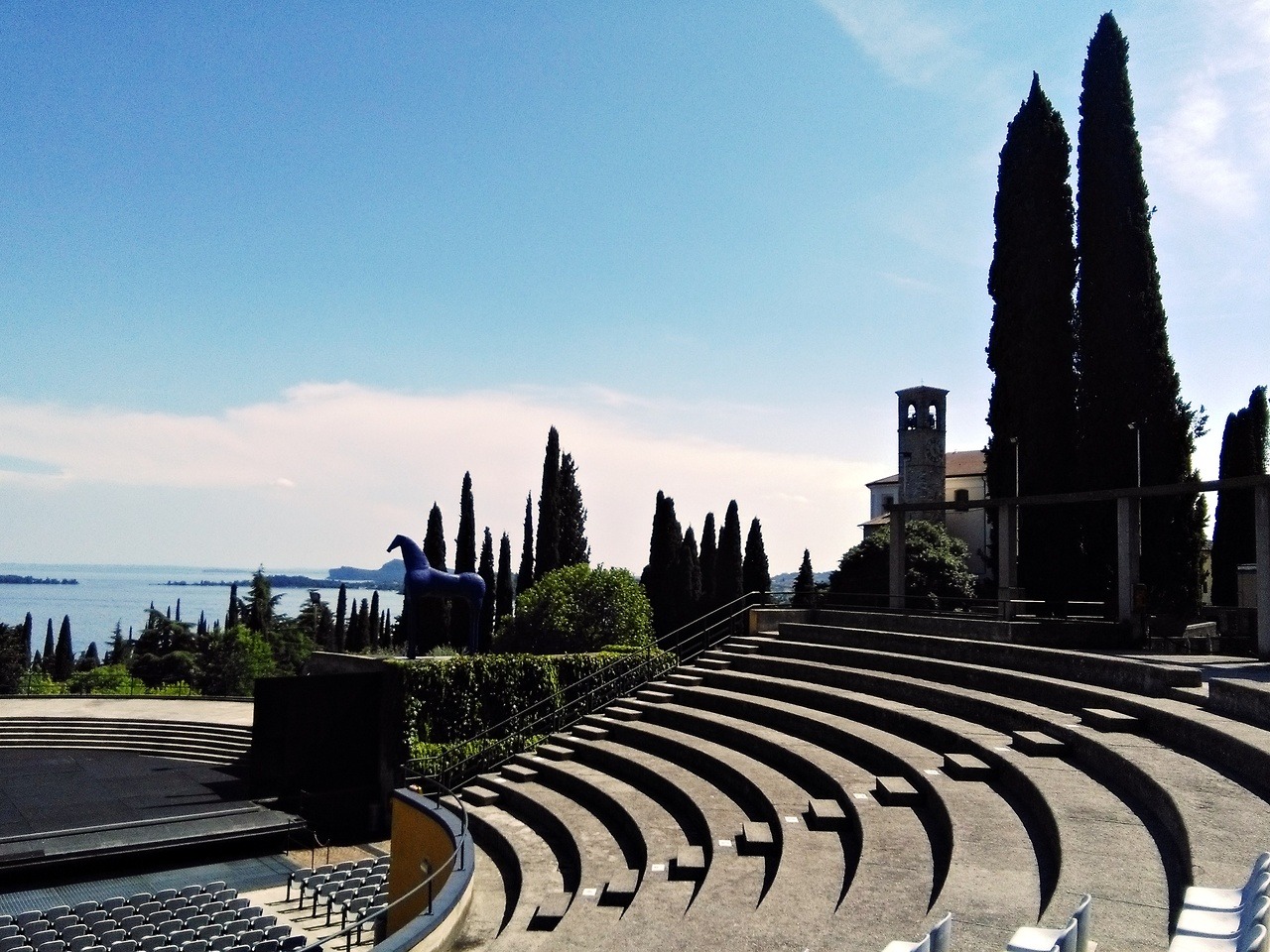
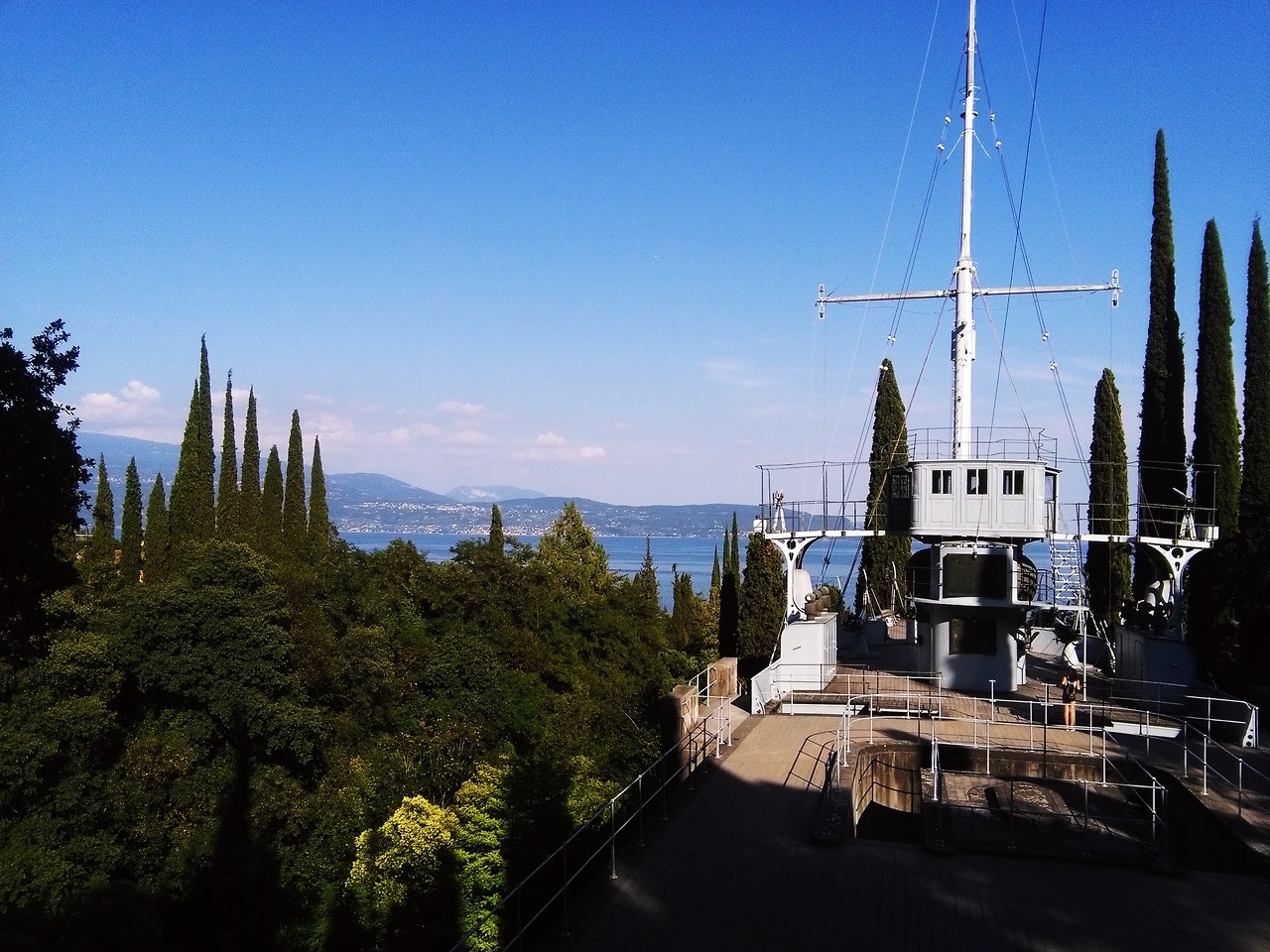
io al Vittoriale per la prima volta

tantepau:

io al Vittoriale per la prima volta

Tagged: gabriele d'annunzio il vittoriale degli italiani

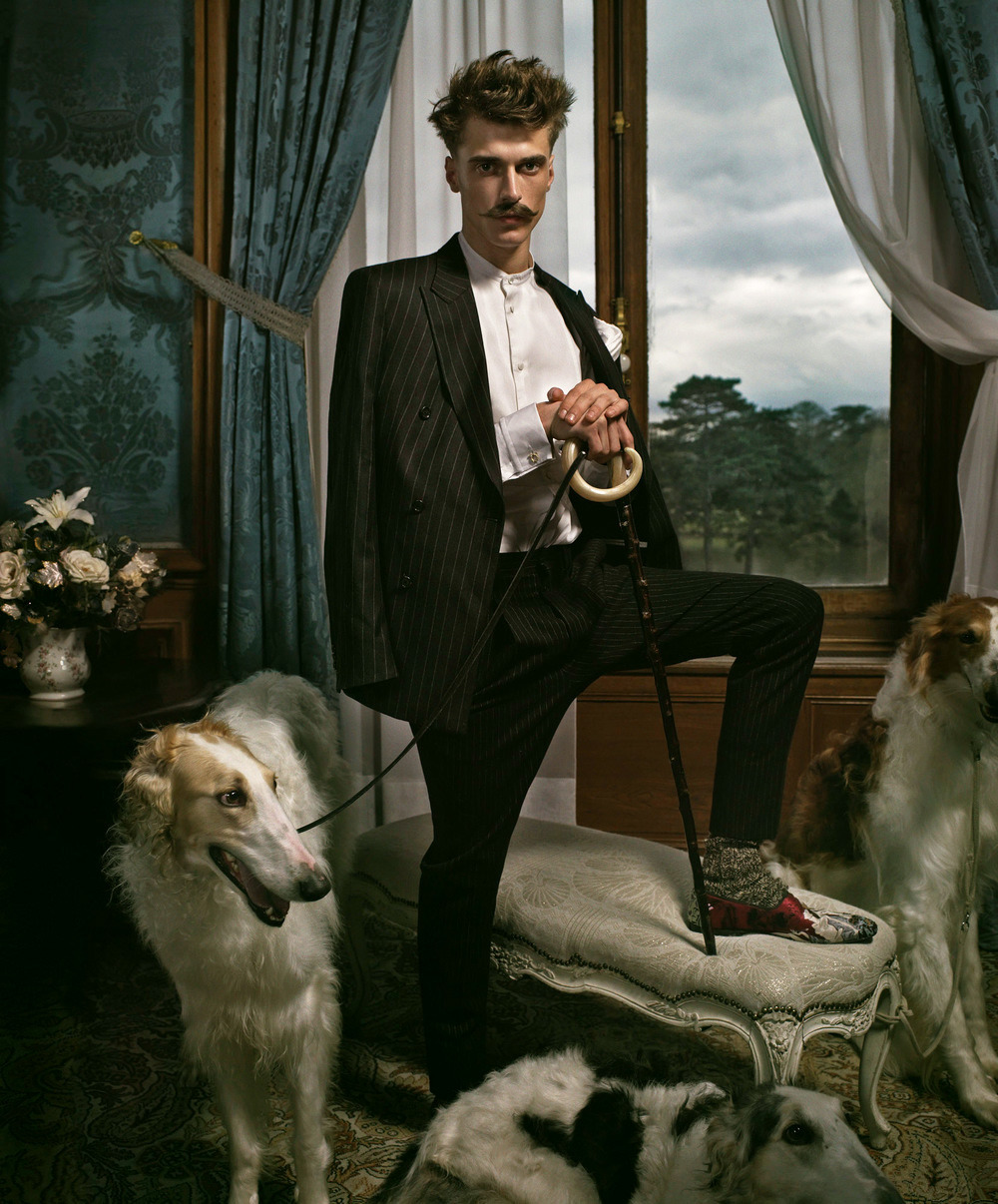
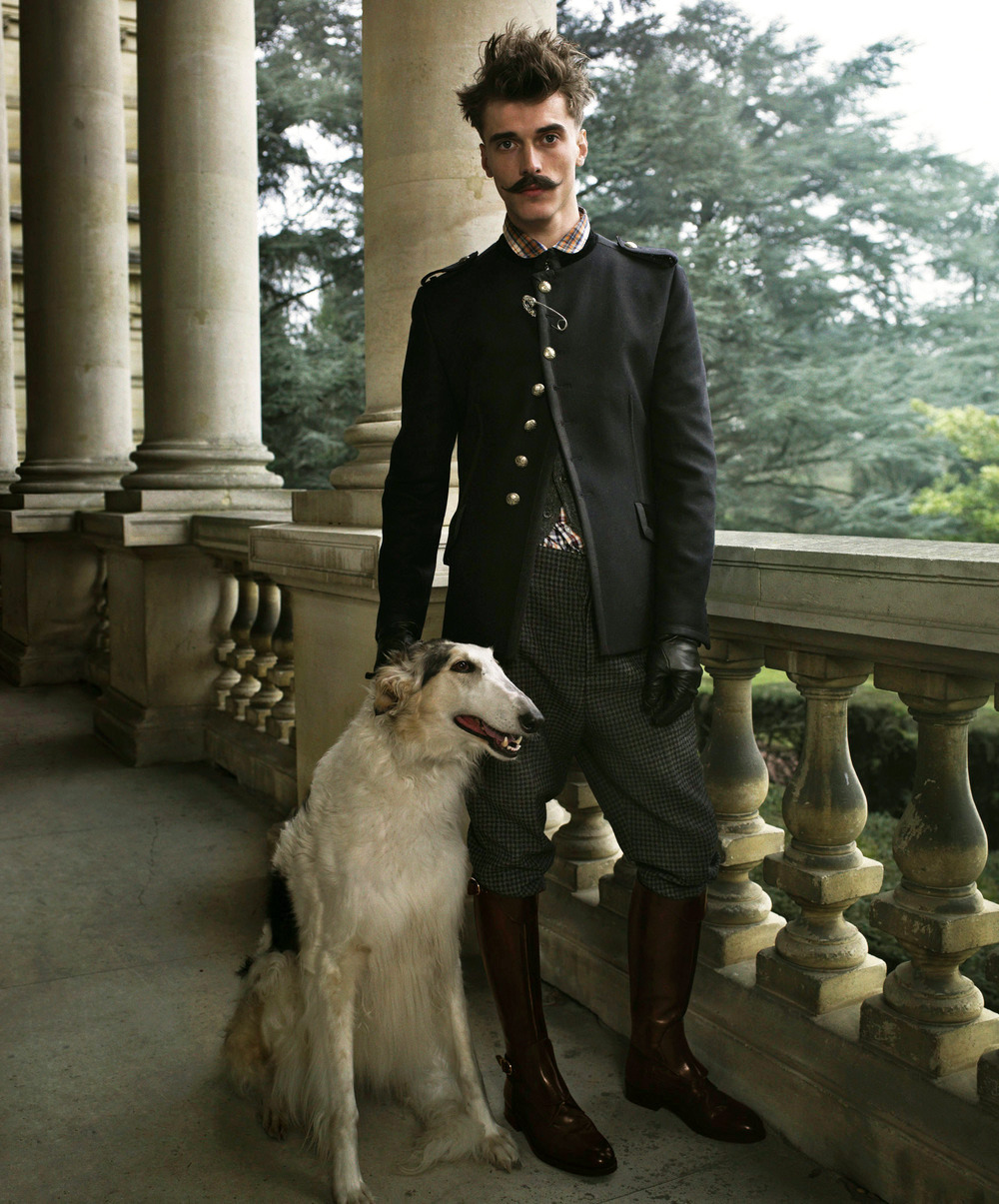
RANDY DANDY - model: Clement Chabernaud - photography: David Slijper - styling: Robert Rabensteiner - hair: Franco Gobbi -...

visualjunkee:

RANDY DANDY - model: Clement Chabernaud - photography: David Slijper - styling: Robert Rabensteiner - hair: Franco Gobbi - makeup: Julie Nozieres - New York Times T Style Men’s Fall / Winter 2009

  • inspired by Gabriele D’Annunzio and Italian decadence

Tagged: gabriele d'annunzio

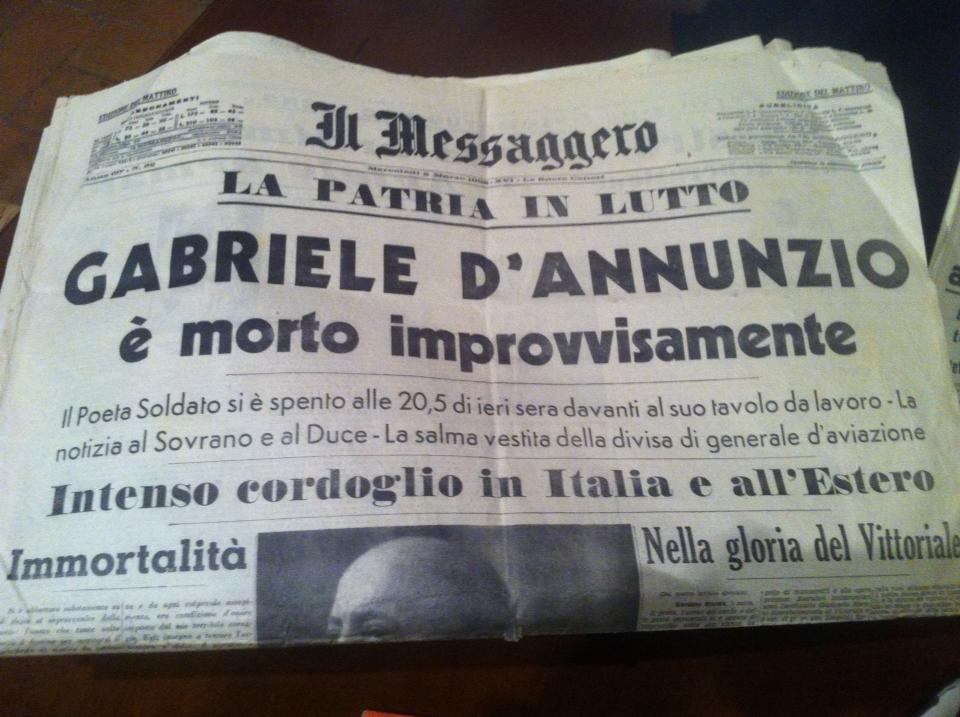
THE FATHERLAND IN MOURNING GABRIELE D'ANNUNZIO has unexpectedly died The Poet-Soldier departed at 8:30 last night at his...

kontextmaschine:

THE FATHERLAND IN MOURNING
GABRIELE D'ANNUNZIO
has unexpectedly died

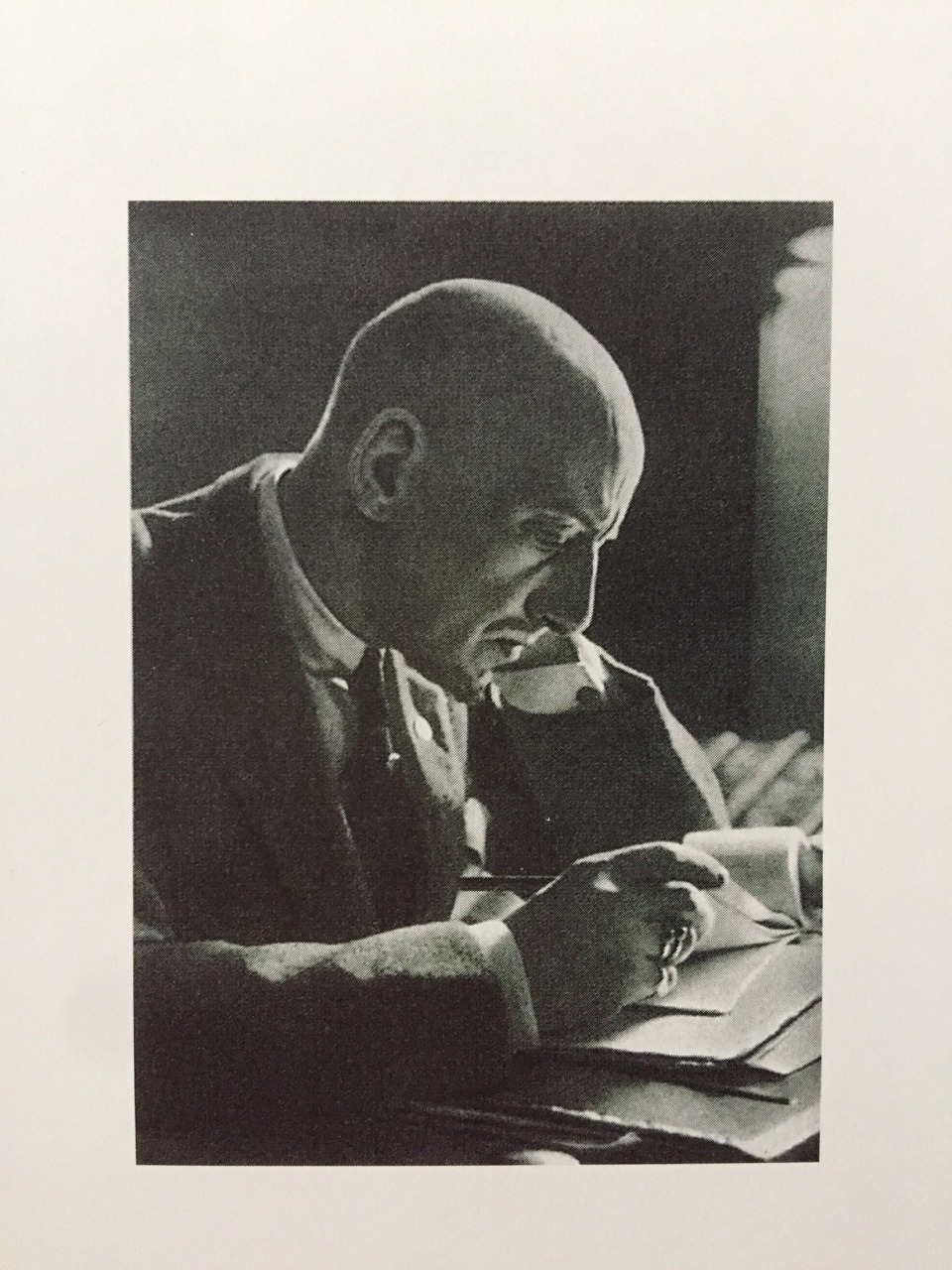
The Poet-Soldier departed at 8:30 last night at his workbench - The
King and Duce notified - The body dressed in uniform of the General of Aviation

Intense grief in Italy and abroad

Tagged: gabriele d'annunzio d'annunzio

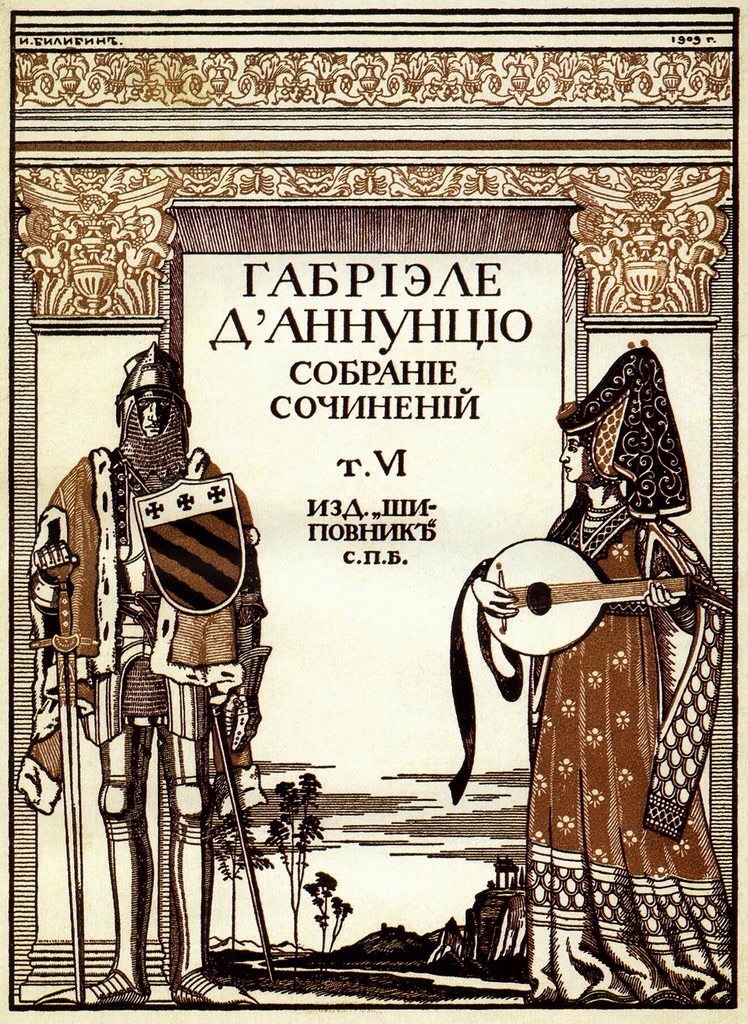
The Collected Works of Gabriele D'Annunzio, illustrated by Ivan Bilibin.

mun-sal-vache:

The Collected Works of Gabriele D'Annunzio, illustrated by Ivan Bilibin.

Tagged: gabriele d'annunzio

Well, I have a new favourite poet.

wicked-felina:

Well, I have a new favourite poet.

Tagged: gabriele d'annunzio

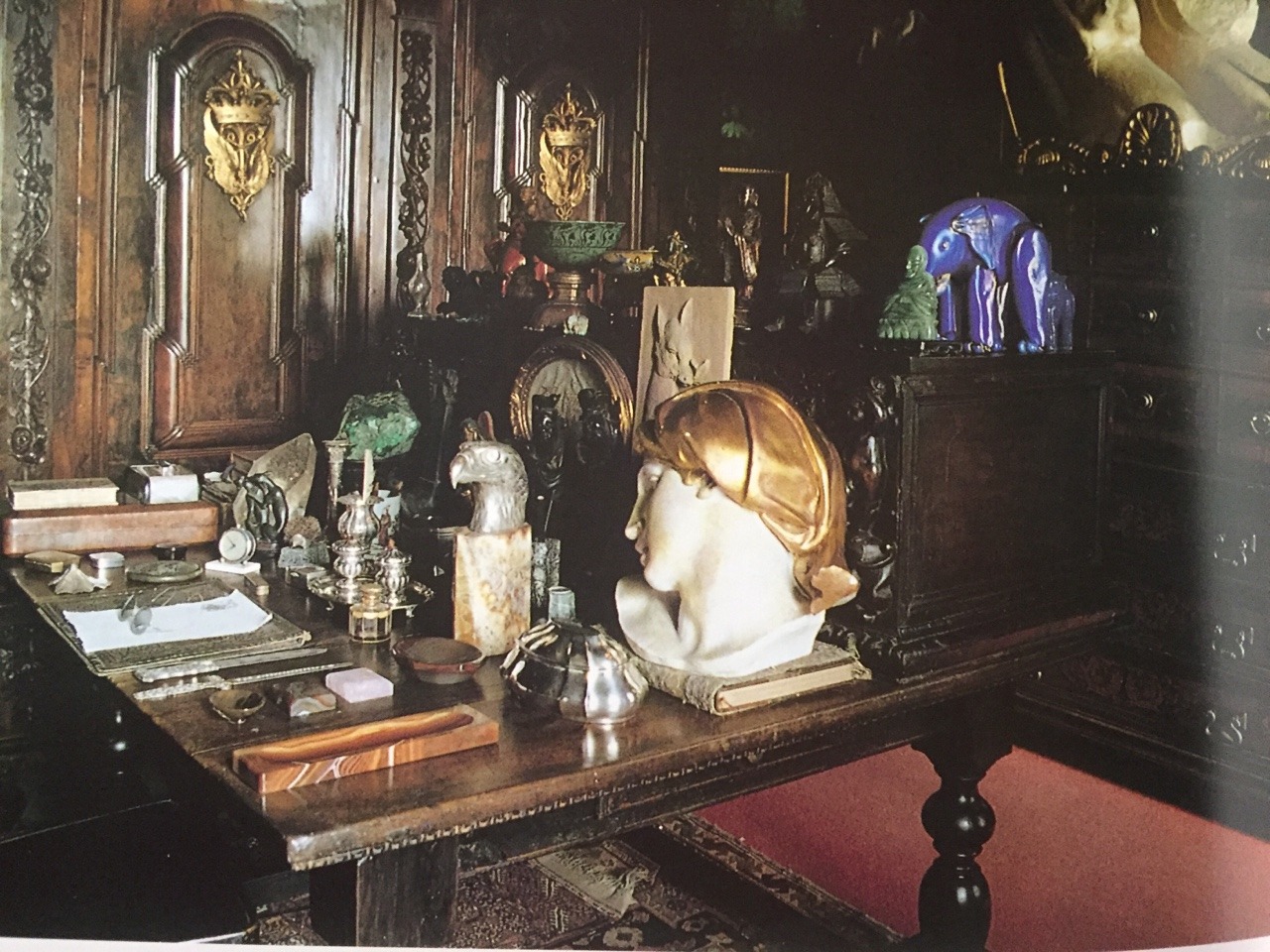
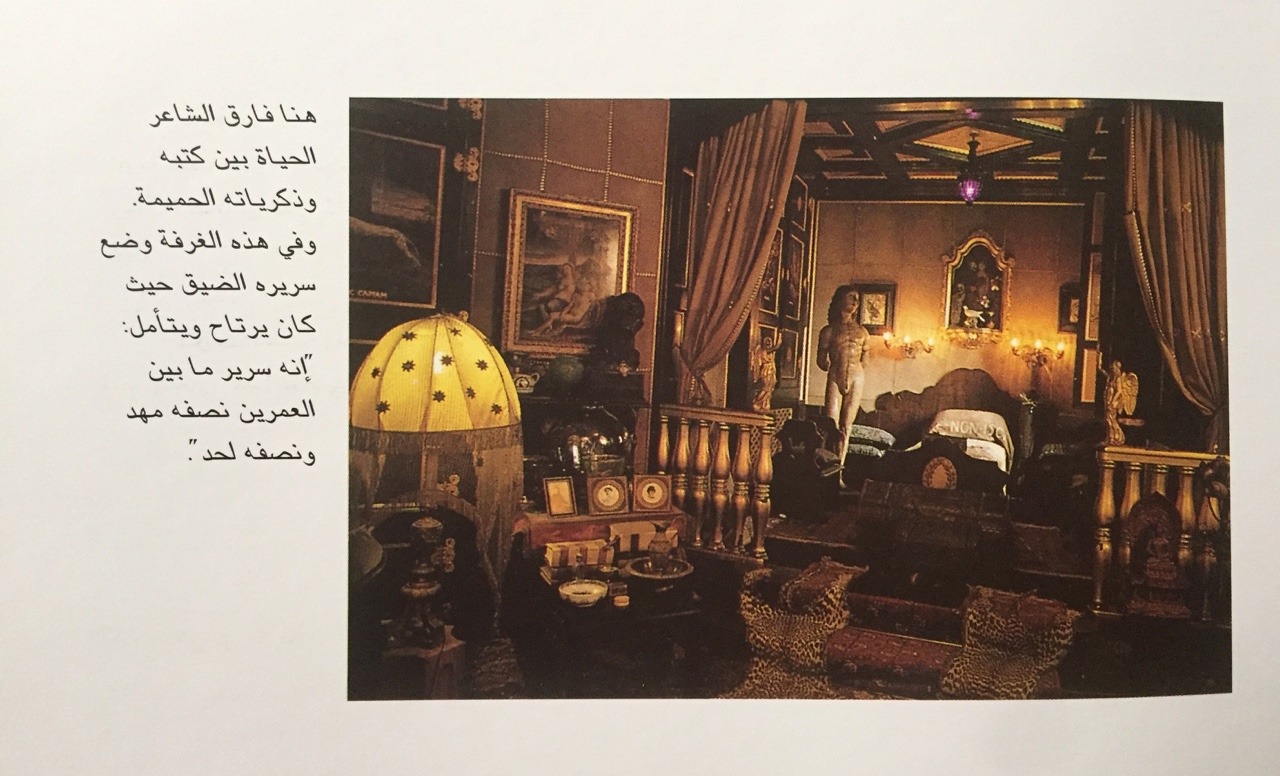
‏مكتب و منبع إلهام غابريال دانونزيو.

lieandsneak:

‏مكتب و منبع إلهام غابريال دانونزيو.

Tagged: gabriele d'annunzio d'annunzio

Talvolta anche gli pareva d’esser ridotto a nulla; e rabbrividiva innanzi ai grandi abissi vacui del suo essere: di tutto...

Talvolta anche gli pareva d’esser ridotto a nulla; e rabbrividiva innanzi ai grandi abissi vacui del suo essere: di tutto l’incendio della sua giovinezza non gli restava che un pugno di cenere.
Gabriele D’Annunzio, Il piacere (via dieich-dihyaa)

He only goes past 3 syllables if they’re idiomatic and it still sounds like that

Tagged: d'annunzio gabriele d'annunzio

kontextmaschine: Gaddafi was the most d'Annunzian figure since d'Annunzio ppl giving themselves effortpost prompts in my...

vzx:

polyaletheia:

vzx:

kontextmaschine: Gaddafi was the most d'Annunzian figure since d'Annunzio

ppl giving themselves effortpost prompts in my mentions smh

Do it! I want to hear more about d’Annunzio. I first heard about him in PLW’s TAZ (or something) back in the day.

bloodandhedonism: d'Annunzio seems more like kontext’s specialty, tell him to do more effortposts on him

well, @kontextmaschine, the verdict is in

I’ll get to it.

Here’s an appetizer - the thing that really got me into him, after a few sideways wikipedia references like what - I went to the library and got Michael Ledeen’s 1977 English-language biography of him, The First Duce.

Michael Ledeen! The… oh shit, I’m old aren’t I*, he was big as a neocon in the runup to the Second Iraq War and was all “Ba’athism is Fascism!” (not wrong!) but how does he know Fascism ‘cuz he was this guy who in the ‘70s was rediscovering the potential of ~tru~ fascism in Rome

back when that might have made a comeback!, people forget fascism had a mini-boom in the ‘70s-80s, not just punks and skinheads and Aryan Nations and Strategy of Tension and The Turner Diaries but Judge Dredd and Mount Perelin and Chile and all the British comics you look back like “woah, buddy, why is your communist ass getting all burnt on Reagan and Thatcher, they’re the heroes doncha know”

and looking back on that and getting more information and reading The Perch and some other biographies that were allusively but unhelpfully about period literary trends you really realize Ledeen was trying to rehabilitate the guy, in the mid-70s he was on a project to build up this story about a whimsical celebrity counter-imperial anti-Hitler sex-positive military prophet protofascist pirate

and he wasn’t wrong!


* what did you think this was going to be? tell me in my asks!

Tagged: d'annunzio gabriele d'annunzio

My politics will be aestheticized or they will be bullshit

Tagged: gabriele d'annunzio

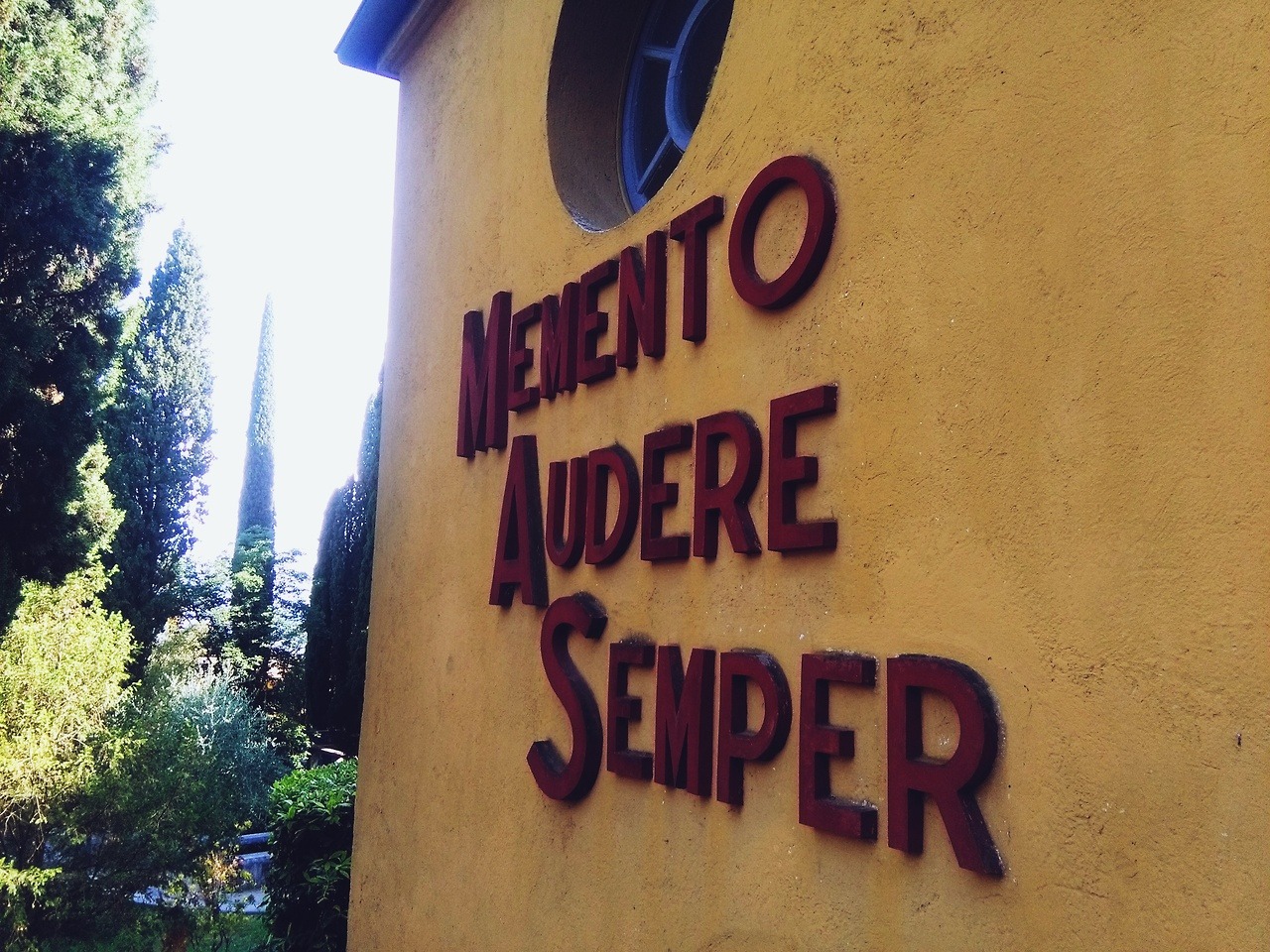
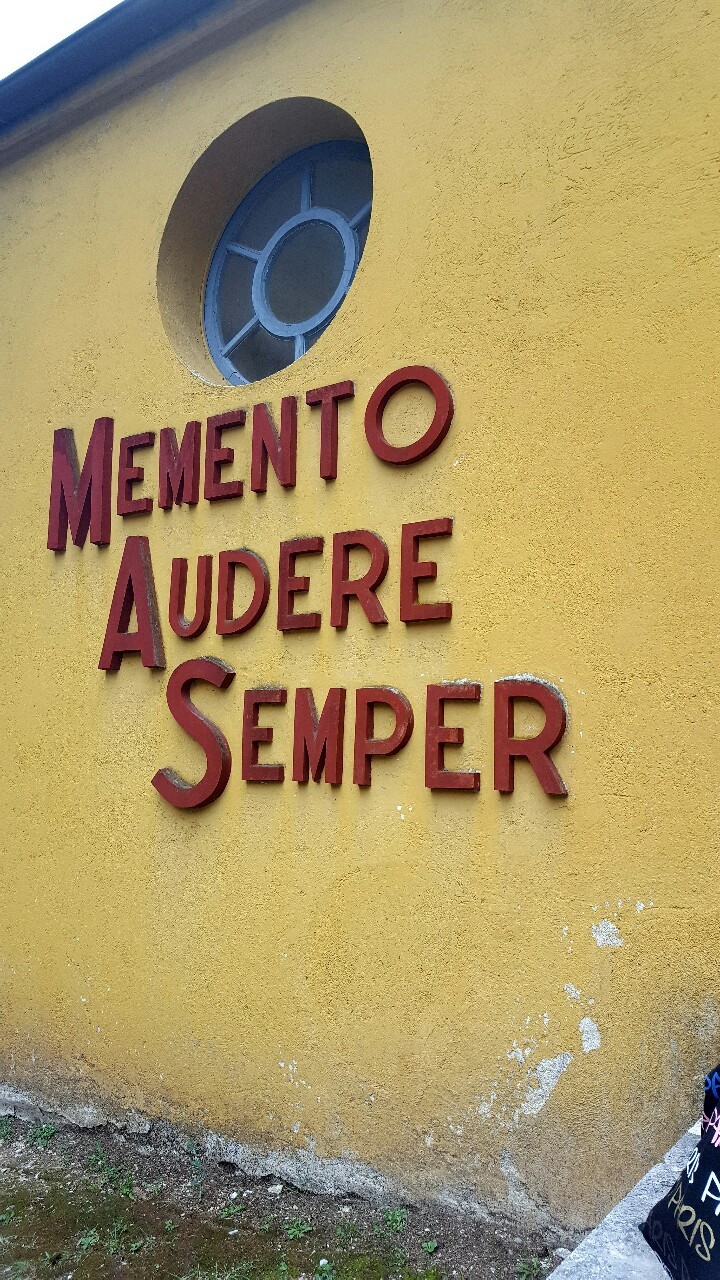
Remember to alawys be daring From il Vittoriale degli Italiani, Gabriele D’Annunzio’s mansion/museum

tuttieroi:

Remember to alawys be daring

From il Vittoriale degli Italiani, Gabriele D’Annunzio’s mansion/museum

Tagged: gabriele d'annunzio memento audere semper d'annunzio