I remember the military veterans in 4th of July parades being like WWII vets riding surplus Korea equipment, what’re the parades like now it’s down to like, ‘Nam and Iraq?
Or is it like the turn of the 20th century where the institution of military parades trailed off (into things like the Salvation Army and Second KKK!) as the Civil War veterans died out
The drafters of the Constitution were fluent in Greek and Latin. George Washington’s speeches read like they’re in fucking Latin, translated into English.
But you know what else feels like a Latin construction?
“A well regulated Militia, being necessary to the security of a free State, the right of the people to keep and bear Arms, shall not be infringed.”
I wonder if this was entirely unambiguous to Madison because of how his brain parsed Latin grammar?
This had never occurred to me, but now that you mention it I can’t unsee it. The grammar looks so incredibly Latin.
The first half is an ablative absolute. The second half is a fucking gerundive. The sentence looks like it was translated from Latin, but as an exercise where you’re trying to prove you can read the Latin and so you’re not even trying to render it into idiomatic English. No wonder it’s confusing!
(This article makes the same observation, and argues that this implies the second amendment is only protecting militias; I don’t think the piece is quite right, though. It says the ablative absolute gives the “reason” for the following clause, but I think the Dickinson College link I gave, which is not trying to discuss politics, gives a better account: it’s the cause or circumstances of the following clause, which is much less specific. You can see this article arguing for the opposite conclusion and also name-checking the ablative absolute, but I think it’s a less persuasive case—even though I’m not really persuaded by the first one either.)
But yeah, no wonder the amendment seems weird. It is! It’s not really written in English.
—
But then I look at the rest of the Bill of Rights and I get basically the same vibes from all of it. It’s all super weird.
One thing I notice is how much of it is in the passive voice. The First Amendment is active (and not coincidentally probably the easiest to read and parse); the Sixth is formally active but has a lot of passive voice in it; and all the others are straight up passive voice. “No soldier shall…be quartered in any house”; “The right of the people to be secure in their persons…shall not be violated”; “Excessive bail shall not be required”; etc. You also get the sort of baroque nested clauses and running series of conjunctions that comes up a lot in Latin.
And something like the Fourth Amendment:
The right of the people to be secure in their persons, houses, papers, and effects, against unreasonable searches and seizures, shall not be violated, and no warrants shall issue, but upon probable cause, supported by oath or affirmation, and particularly describing the place to be searched, and the persons or things to be seized.
reads like a passage from Cicero, where he stacks up ten clauses in one sentence and you don’t know what the fuck he’s talking about until you get to the end.
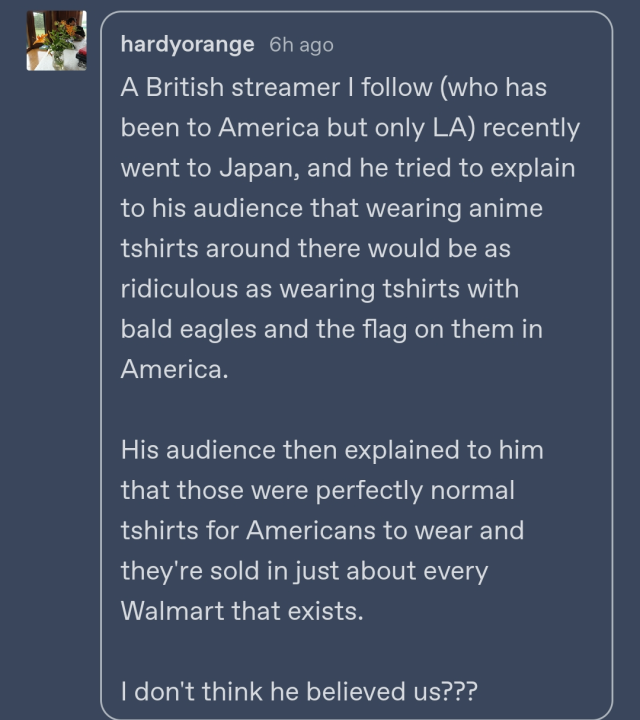
in conversation about white people who go to Japan and expect their knowledge of anime to culturally carry them, I was once posed with “it’s like if there was a Japanese guy who was obsessed with spongebob and came over here and thought he could get by just communicating in spongebob quotes.” This is a false equivalence because if such a man existed we would crown him king. We’d love him. Americans would fucking love that. sometimes I get sad that this isn’t a real guy I can invite to a party.
There’s something intensely American with people writing callout posts about Steven Universe because a character wore short-shorts and also they think it’d bad Steven is shown as not wanting to kill people
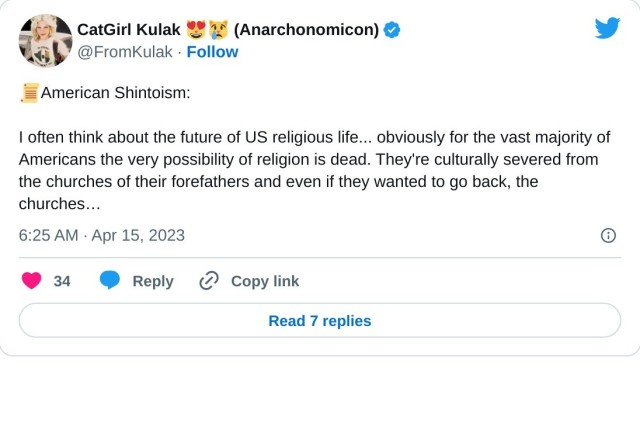
yeah, I’ve myself thought some sort of animist polytheism would make most sense as the way America descends into paganism but if we’re still mobile and interconnected enough that we’re aware of ALL the new ones out there, rather than generations of knowing the 3-7 that matter locally and generalizing to everyone knowing THEIR 3-7 as things congeal I dunno
It’s actually kinda neat that 2 of America’s seasonal festivals (Thanksgiving/fall and Independence Day/summer) are coded nationalistically and the other 2 (Christmas/winter and Easter/spring) religious
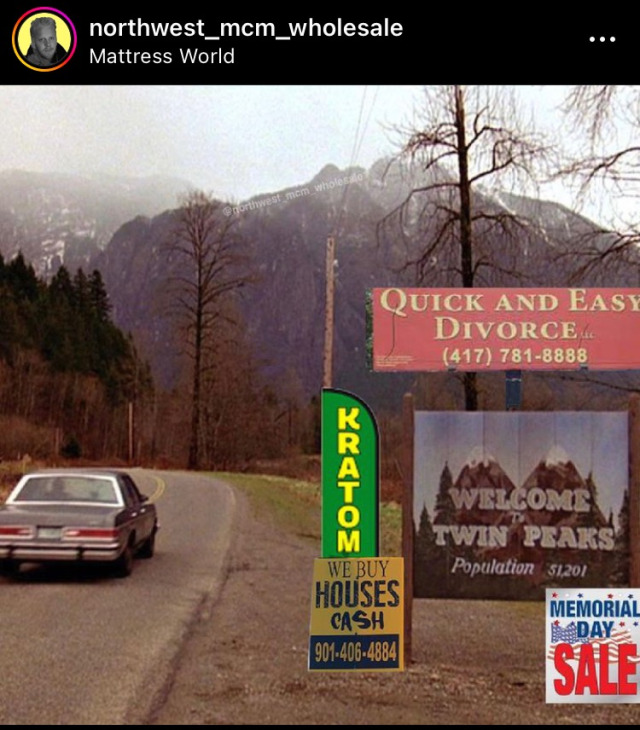
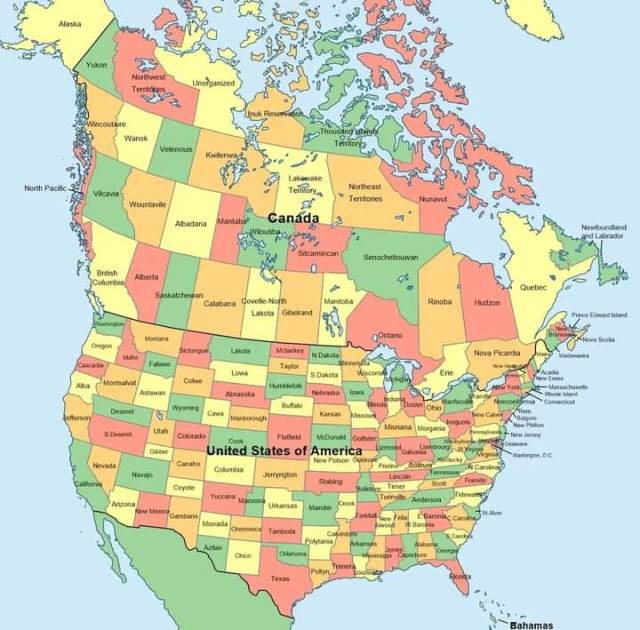
I live in Portland, ME and visited Cascadia for the first time recently (October). Stayed in Portland, visited Seattle, Mt. Hood, and some tiny camping places in Oregon.
Seattle feels more similar to Portland, ME then Boston (the only other larger city I have spent much time in) does but I like Portland, OR better. That might be because I'm a cycle commuting enthusiast. I found the public transport to be very good and more middle class people ride it as opposed to Portland, ME which is ridden mostly by students and destitute.
The Pacific ocean smells different.
The woods are familiar but the trees are different (except the good ol' Douglas fir, one of my favorite trees). The mountains are much higher. The average terrain is rougher but the valleys between the mountainous areas are larger and flatter.
The people are friendlier than Boston.
I liked it! A great place. I could see myself living there someday.