shrine to the prophet of americana

#supergenius shapeshifter taylor swift (110 posts)

What's your take on the Nicki Minaj/Taylor Swift feud?

Anonymous asked: What's your take on the Nicki Minaj/Taylor Swift feud?

Well the really Kontextmaschine thing to say would be that she’s as good or better than I am at listening in on the tune America’s humming to itself and singing it back in response, she canonically browses tumblr and has long been rumored to lurk 4chan (which is not absolutely ridiculous - she’s our generation too and Lorde, who’s in her extended clique, workshopped Royals on /mu/) and God knows what else she gets up to on those days when she’s not in the mood to be a media object so she doesn’t leave her house.

That she too noticed that the worm turned somewhere in the last few months, and that she maneuvered this intentionally in full knowledge where it would go, that she knows that “a black girl tried to spin what was essentially personal jealousy as a race thing, in the process rudely rebuffing my attempts to seek unity on the grounds of Correct go-(white-)girl feminism, and then mean online media and Black Twitter picked on me over it” is actually going to be a good place to be when the backlash will be kicking in during her next album/tour cycle, that it’ll align herself with where her audience of white-girls-not-like-Coachella-white-girls-I-mean-but-not-NOT-like-Coachella-white-girls will be at by then.

(That all this is on purpose delicate and tangential enough to be disclaimable if it’s obsoleted by the next cultural turn, like how she went from doing a feather-touch War on Christmas song in 2007 to in 2014 having a throwoff line about vicariously enjoying the existence of gayness as a sign of cosmopolitanism in her growing-up-and-moving-to-the-big-city song.)

That if media try to force this meme and take on Taylor fucking Swift not only does that revalidate the picked-on pose she’s so good at but gets increasingly ridiculous as she settles in at the apex of pop culture, but it might even be the overreach that breaks the fever, like McCarthy taking on the U.S. Army, and having her name stamped on a major cultural turn (for which a nontrivial constituency will be grateful) is a good step on the way to becoming Queen of America.

Seriously, how fucking Kontextmaschine a response is that?

I don’t actually believe it though.

(Though in the course of even mooting the theory I’ve started to convince myself.)
Tagged: taylor swift supergenius shapeshifter taylor swift it's media ave tayswift regina americanorum

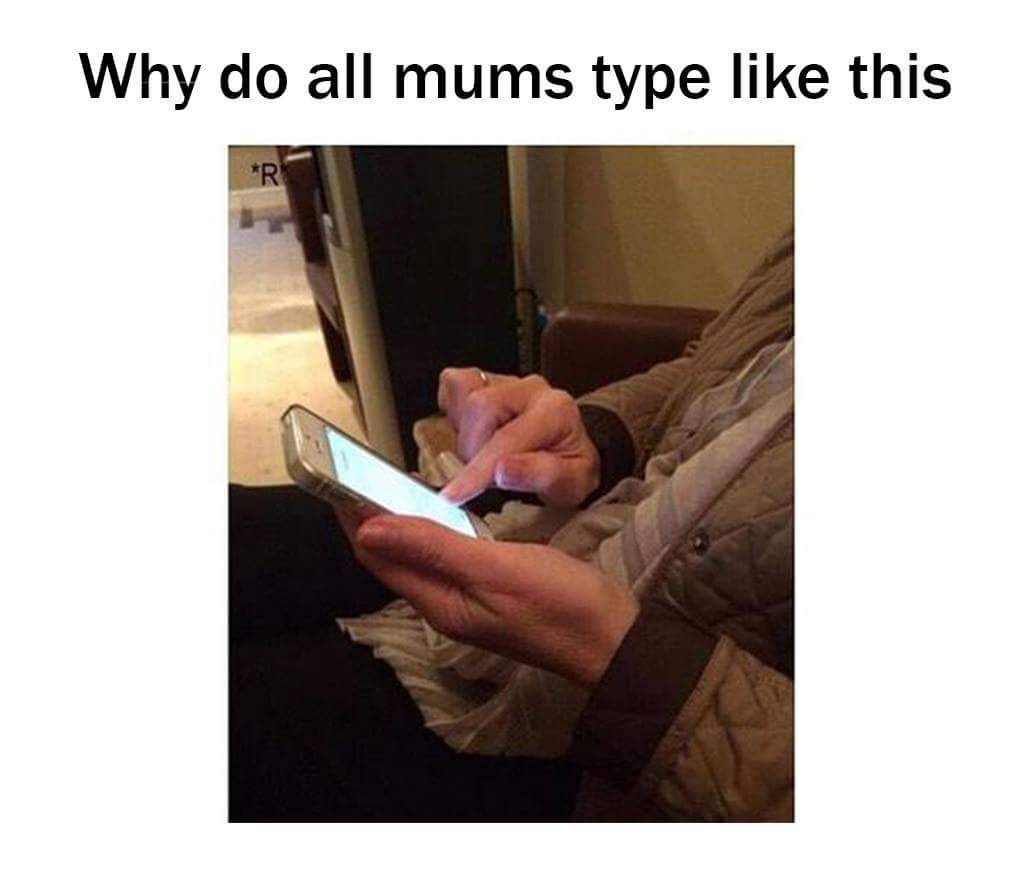
Yeh MOM??? taylorswift

taylorswift:

sarahwearsamask:

Yeh MOM??? taylorswift

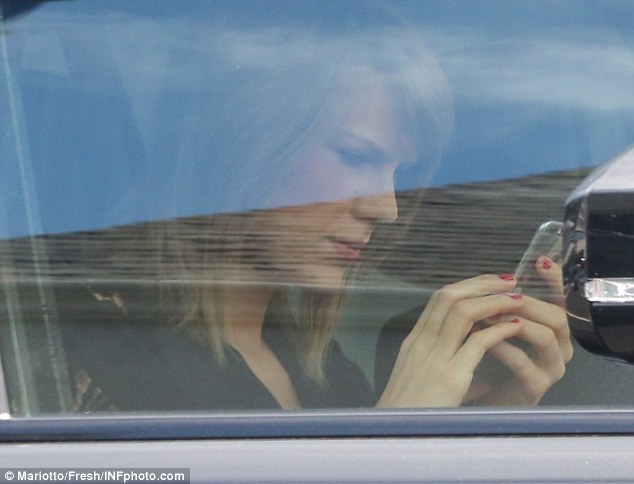
Isn’t that just the normal way to hold cellular phones?
I’m very confused now. I’m going to work on my cross stitch for a while to get my mind off of it.
By the way, young lady, shouldn’t you be asleep at this hour?

Okay so maybe I see your point.
But only when I have my reading glasses on.

Taylor Swift is her audience as they see themselves, that’s her thing she’s her audience as they see themselves, and when her audience comes around to seeing themselves as fuckable office moms (and they will, and it will blindside you because you’ll expect 2020 to act like 2015 same as you expected 2015 to act like 1998) she will be the MOST fuckable office mom holy shit

Tagged: taylor swift supergenius shapeshifter taylor swift

yeah.

yeah.

Tagged: taylor swift supergenius shapeshifter taylor swift yeah same

Securing the existence of their culture and a future for White Media

selected John Herrman posts from The Awl

The New White Ethnic Media

These outlets [Paula Deen’s, Sarah Palin’s, Glenn Beck’s] share a basic form—online video network—and depend on relatively steep subscription fees (the comparison that always gets used is “more than Netflix”). They are fundamentally oppositional: to the mainstream media; to political correctness; to godlessness but also a very particular formulation of uptightness. They are nostalgic for a time when certain people could say certain things without worrying about controversy or shame—they feel like public speech is a minefield, so they’ve made theirs a little more private. Among friends, almost. They long for a wholesome past that they feel has been lost. They are not especially cynical. They are, in effect, a white ethnic media, writing and publishing and broadcasting and performing about the experience of American whiteness as understood by people who genuinely feel that whites are becoming a marginalized minority. Race is not addressed directly in these networks’ contents or containers—identity establishment is left to “urban”-style euphemisms and the projection of a sensibility that is neither explicitly nor assertively white, just inherently white, familiar to whites, deemed important or compelling or novel because it is no longer the norm elsewhere.

The New Identity Media Manifesto

[On the same, also Roosh’s Reaxxion:]

you could imagine Roosh-like mission statements for all of them: I aim to protect the interests of white Christian families, a category I’m in…

A gaming site for men is absurd and its potential is small; a culture empire for whiteness preservation is absurd and its potential is huge. But both behave in the same way: they respond to criticism by reflecting back victimhood, and adopting a received language of oppression. This was not their idea, they would suggest. It is what they believe the other people have been doing for years.

Everything Except Rap and Country

[On Taylor Swift’s 1989:]

[Swift’s] idea of pop music harks back to a period — themid-1980s — when pop was less overtly hybrid.

And, in the same quarters, more overtly white!

That choice allows her to stake out popular turf without having to keep up with the latest microtrends, and without being accused of cultural appropriation.

Avoiding non-white “microtrends” isolates Taylor Swift from charges of appropriation, because they have no specific and recent non-white influence to refer to.

[In “Shake It Off”] she surrounds herself with all sorts of hip-hop dancers and bumbles all the moves. Later in the video, she surrounds herself with regular folks, and they all shimmy un-self-consciously, not trying to be cool.

Who, exactly, would interpret those signals as not “cool” but instead “regular?” Not everybody; specifically, somebody.

The singer most likely to sell the most copies of any album this year has written herself a narrative in which she’s still the outsider.

You know who else suddenly feels culturally outside of the mainstream? (Besides, as always, anyone over the age of 30?) People who are skeptical of America’s demographic progress! Or who, at least, don’t feel comfortable thinking or talking about it. If Jon Caramanica is right, the promotional theory and marketing conversations around 1989, and an overarching influence on its music, can be summed up as: Intentional, Performed Whiteness. It’s an artistic manifestation of the old adolescent conversation:

“What kind of music do you like?”

“Everything. Except rap and country.”

relevant: 1, 2

Tagged: the awl it's media whiteness metapolitics supergenius shapeshifter taylor swift

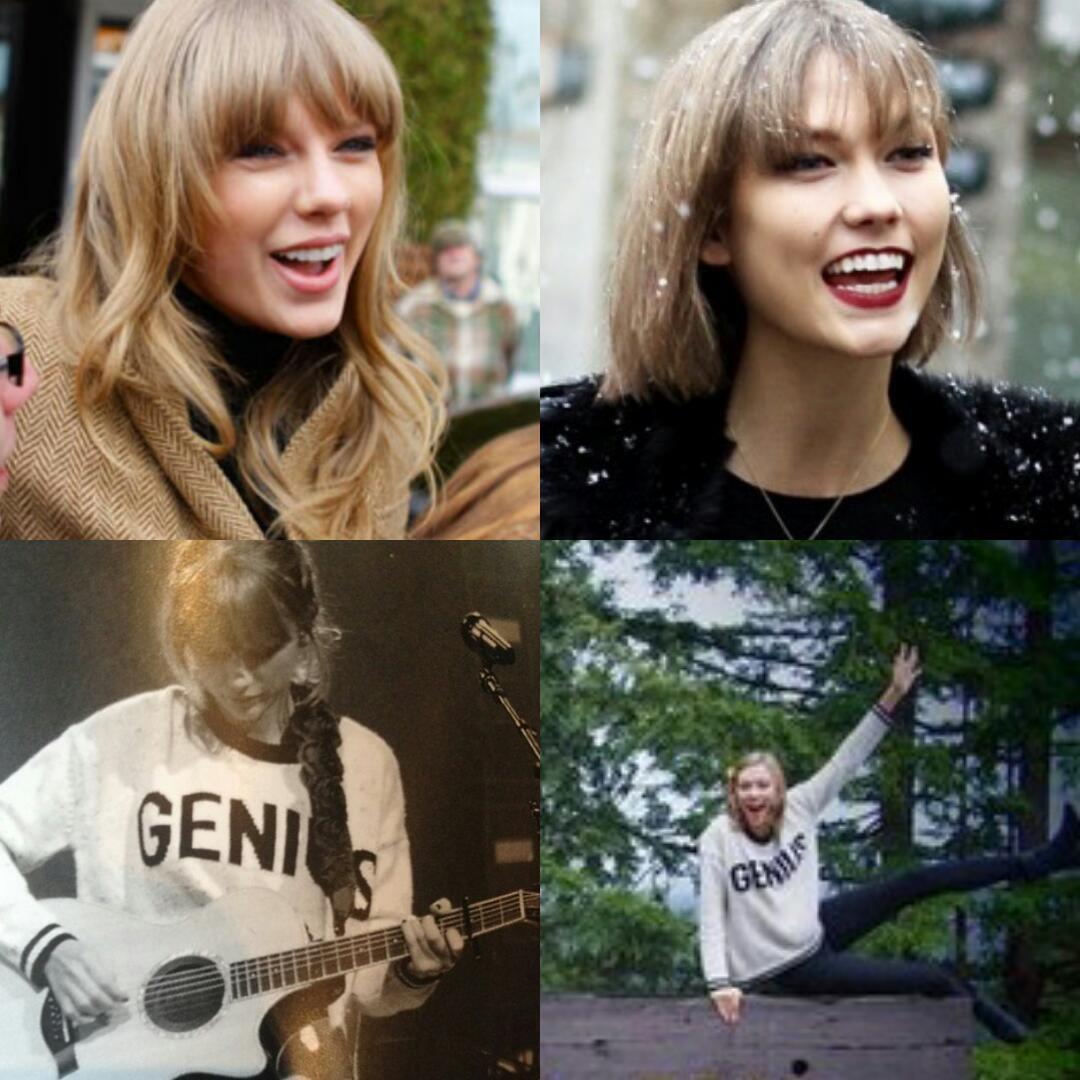
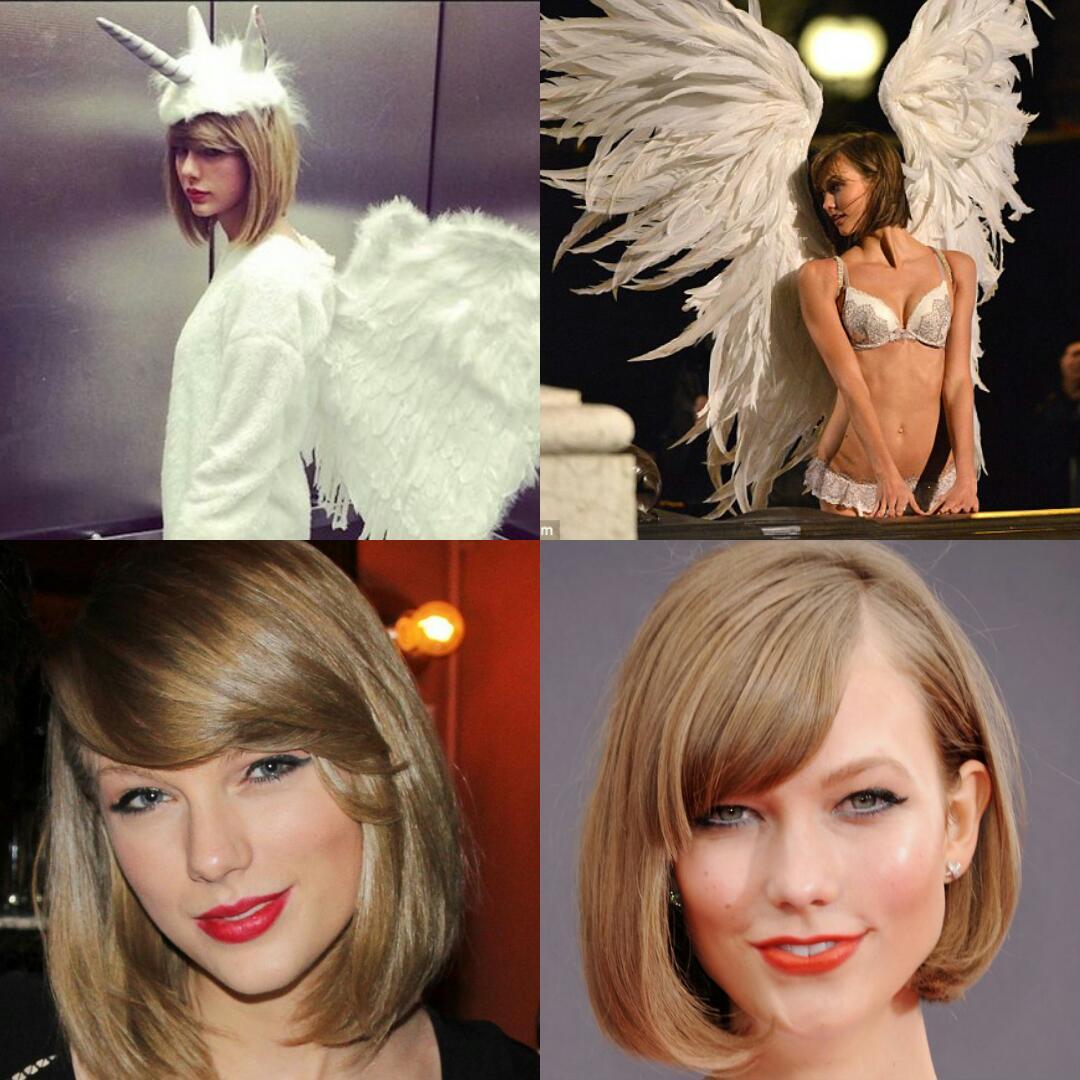
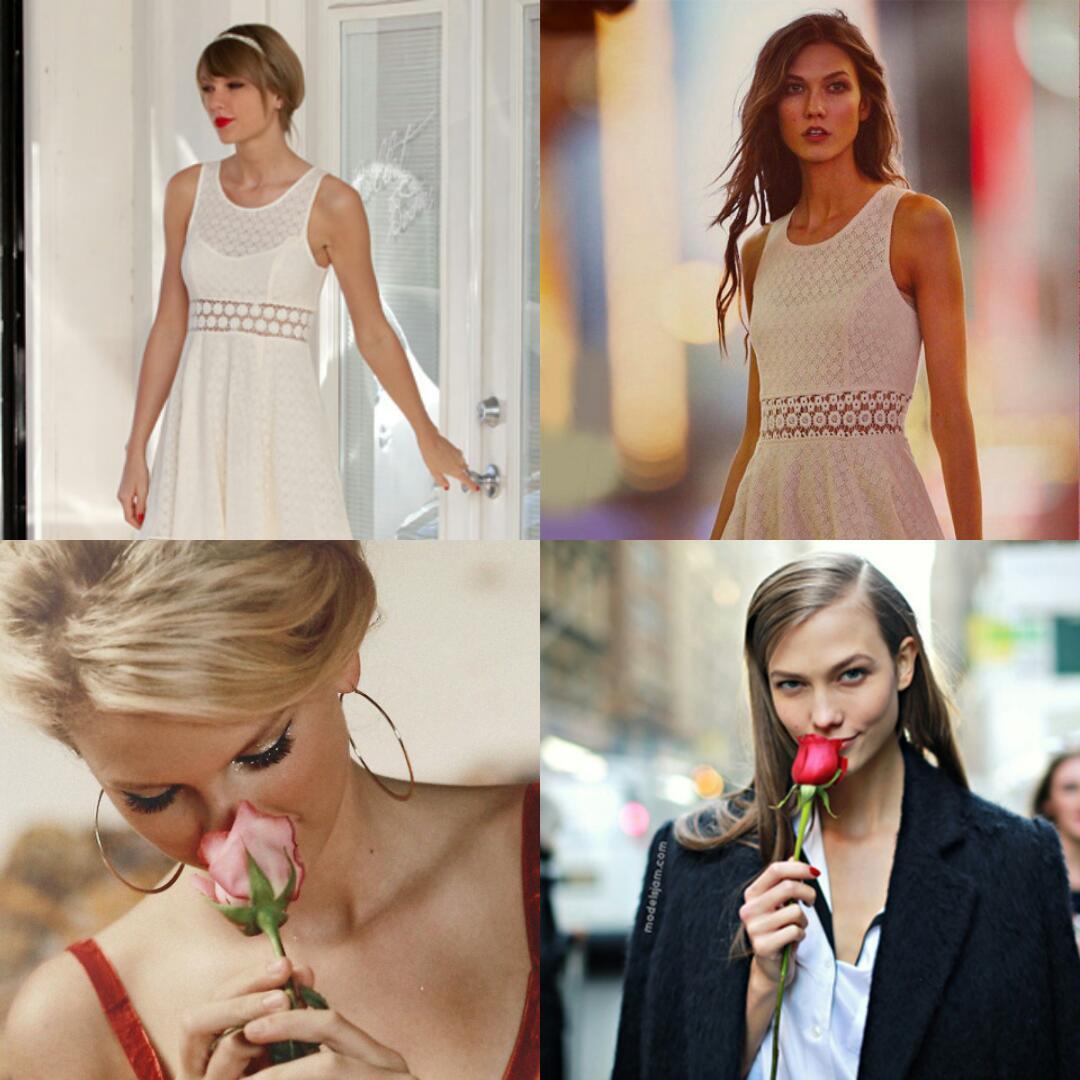
Taylor Swift and Karlie Kloss

dirtytaylorswift:

swiftsass:

Taylor Swift and Karlie Kloss

Taylor Liked 2/5/2015

Tagged: supergenius shapeshifter taylor swift kaylor taylor swift

An “official pop album” “inspired by the late ’80s”. Eeehhhhhhhhhh, we’ll see.

kontextmaschine:

kontextmaschine:

An “official pop album” “inspired by the late ’80s”. Eeehhhhhhhhhh, we’ll see.

yeah, I don’t know why I even doubted her

Eeh, on second thought, I just listened to Red straight through again and I was like “holy shit I forgot how much better an album this is”.

1989 was the first Taylor Swift album to really be conscious that This Is An Album By Taylor Swift, Biggest Star In America. And it didn’t really bear that weight well.

The “1989” theme… I mean, the fact that there even was a theme. Red had the switch from Nashville to LA but that was more subtext than theme. The “let’s go back to the ‘80s” thing isn’t even new, nouveau-electropop has been the thing for a while, so not really any points for that. But that’s always been the Taylor Swift thing, she’s not a trailblazer, she just does whatever other people have been doing, improved and polished perfectly for the mass market. And the 100% hooks pop thing really plays against her strengths - she’s a songwriter first and foremost and even there more lyricist than arranger, but with the pop feel the lyrics don’t bear as much weight and she dumps more of the arrangement off on her producers.

There aren’t many great singles - Shake It Off was a decent way to introduce the new sound, and Blank Space really is the standout on this album. But beyond that you have what? Style. She could get away with I Wish You Would and/or How You Get The Girl, but that’s pushing it. Maaaybe This Love as something the country stations who supported her all this time could feasibly play, or else a twangier soundtrack song.

(It was a good idea to release “Out of the Woods” and “Welcome to New York” as teasers but not radio singles - they’re on the bubble of good enough, pushed over with the bonus from OHMIGAWD NEW TAYSWIFT, but don’t really hold up to replay.)

Wildest Dreams is too transparently “look, a Lana Del Rey song”, Out Of The Woods is “look, a fun. song”, Shake it Off is a Max Martin song.

I mean, I’ve said that The Lucky One was really a Jenny Lewis song, okay, but that wasn’t a single, deeper on the album. And circa Red the kids weren’t exactly listening to Jenny Lewis, but the 1989 sources are more direct competitors. WANEGBT was with Max Martin and Shellback and a dubstep drop, but no one was going to confuse that for Skrillex. It was built around a fucking ska guitar riff, for one.

(I’m pretty sure I Wish You Would is invoking Jesus Jones’ “Right Here, Right Now”, though, which at this point is respectably left-field)

Eh. I prefer it to the self-titled debut, for what that’s worth. At this point I appreciate her more as a celebrity than a musician anyway. Which I think is kind of a conscious shift. And another post.

Tagged: taylor swift 1989 supergenius shapeshifter taylor swift

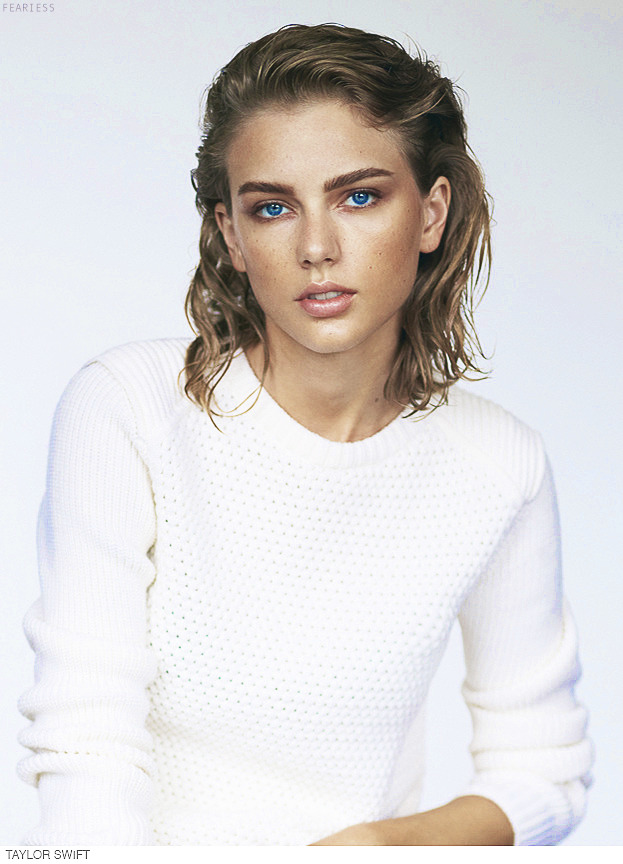
Taylor Swift by Thomas Whiteside.

longlives:

Taylor Swift by Thomas Whiteside.

Tagged: taylor swift supergenius shapeshifter taylor swift

Taylor Swift Defines the Internet

taylorswift:

ohsoswiftly:

Taylor Swift Defines the Internet

It’s important that you watch this if you want to understand what I’m saying on tumblr.

Tagged: taylor swift supergenius shapeshifter taylor swift

You know something I just picked up on? (about Taylor Swift, obviously) “Welcome to New York” is a “moving to New York” song, in...

You know something I just picked up on? (about Taylor Swift, obviously)

“Welcome to New York” is a “moving to New York” song, in 2014, that invokes Manhattan at least once (“the Village is aglow”) but Brooklyn never. Now that might speak to her actual experience, but it’s kind of at odds with her populist pose, and she’s usually really good about aligning those two.

(Possible excuses are the “1989” theme or playing to a core audience of high school theater kids with a dated, second- or third-hand sense of what “New York” means, I guess)

Honestly, I think she heard Empire State of Mind and was like “oh, huh, New York anthems, that’s a thing isn’t it, I should do one of those”. Like I’ve mentioned, she is very very good at mimicry and matching affect. I complained that Shake it Off was really a Max Martin song, but hell, maybe she just wanted to prove that she could do a Max Martin song. I mean, Out of the Woods (put together with Jack Antonoff) is a fun. song, The Lucky One, off of Red, was a Jenny Lewis song and I hear one of the other 1989 tracks is basically a Lana Del Rey song.

I mean hell, her earlier, more country albums, where she wrote songs about dating a guy your dad didn’t approve of, or watching your daughter grow up, or being 32 and feeling shame about your slutty younger days, those are not experiences she ever actually had. She reverse engineered them from existing country songs and red state culture and repackaged them better than the originals. (Plus, you notice her accent on those albums? She grew up in Pennsylvania, in the county catercorner to mine, and we do not talk like that.)

Like, I love and respect the hell out of the girl, but at the same time I’m a little afraid of her, for real. She’s a supergenius shapeshifter who’s made it her life’s mission to absorb the entirety of American culture and reflect a perfectly polished version of it back at the country. And she’s really good at it!

Something to consider is the treatment of God in her work, only glancing references in the earlier albums - “the man with the reasons why”/“the man who put you here” on Come In With The Rain, “And when I got home, before I said amen/Asking God if He could play it again” from Our Song, just enough to signal not so much Christianity as Christian…ness, as a component of Real Murcanism (hell, she wrote a song called “Sweet Tea and God’s Graces”, unreleased and suppressed on YouTube, which is probably Correct).

The only explicit reference to Jesus in her released original material is in Christmas Must Be Something More, off her Christmas LP, which manages to be a War On Christmas song without any villains. And if, in 2007, you were buying Christmas music, you were enough of a Taylor Swift fan after just the first album to want Taylor Swift Christmas music, and you did your music shopping at Target, you were probably cool with that.

And now in homonationalist 2014 there’s songs with equally glancing references to gayness, and it just… happens to be possible to squint at her style and personal relationships (which have always been a conscious part of her performance) hard enough to read lesbian subtext, if you’re the kind of person who would want to.

When I say she’s gunning to become the Queen of America I mean it.

Tagged: taylor swift supergenius shapeshifter taylor swift ave tayswift regina americanorum

Taylor Swift's Semantic Overloading

Taylor Swift’s Semantic Overloading

Okay, as I’ve established, I think Taylor Swift is a supergenius writer, the only one I consider my clear superior. But, I mean, have you heard those lyrics? Come on, right?

Okay, yes the vocabulary and grammatical structure is pitched at an eighth-grade reading level; her work is pitched at an eighth-grade audience. But that’s hardly to say there’s no depth to her lyrics, it’s just that a lot of it relies on semantic overloading, and particularly semantic overloading that specifically plays on her bridging of popular music genres. To simplify, pop-rock lyrics tend to set a mood while country lyrics tell a story, but Taylor Swift lyrics tend to craft an atmosphere in which individual lines suggest a story or multiple stories (which listeners can fill in, according to the specifics of their own lives or daydreams), which can in turn be taken as literal or as metaphors.

(A lot of her themes have traditionally been about the stock female coming-of-age, but they shouldn’t be taken as coming from personal experience - which makes them even more impressive. Remember that she spent her teenage years not going to school and dating but home-studying and establishing her career because, contra Fifteen, she knew exactly what she was going to be. And she does venture afield of this - Never Grow Up and The Best Day are about the experience of watching your child grow, and Innocent is about a 32 year old woman looking to distance herself from the things she’s done - “Taylor Swift lyrics as explications of manosphere/redpill themes” would be a pretty impressive series in its own right.)

Like, Mean, from Speak Now. It’s about bullies, right? That you’ll escape from when you leave this one-horse town and live in a big old city?

Or is it about abusive parents? I mean,

some day I’ll be
big enough so you can’t hit me

Girl bullying isn’t really a “hitting” thing, plus

I bet you got pushed around,
Somebody made you cold,
But the cycle ends right now,
cause you can’t lead me down that road

Or is it about critics, such as critics of pop-country star Taylor Swift?

Or yourself and your insecurity, as your own biggest critic? (cf. Tied Together With a Smile and A Place In This World from the debut)

The answer, of course, is “yes”.

And that’s not even adding in the reading where it’s about her and Kanye West at the VMAs - because Swift can wield her public celebrity tabloid persona to add more reading and layers of valence to her songs, in part through encoded messages in her liner notes. Like, the liner notes code isn’t hard to figure out - just take the letters incongruously capitalized. Because she’s pitching at an eighth-grade audience. And she’s pitching that audience encrypted intertextuality.

Okay, let’s look at another song, Long Live, from Speak Now.

For one, it works a sequel to “Change”, from previous album Fearless, with its blended imagery of supporting a relationship partner, general teenage pressure, and literal revolution (released two months after the first Hunger Games novel came out and shifted the dominant tone of YA from Twilight-era “supportive relationship” to “youth insurrection”).

It’s about triumph, in a supportive relationship, over general teenage pressure (with an aside about high school relationships not being long-term things, in a much more optimistic tone than the similarly themed White Horse and Fifteen), is it metaphorizing that through the recurrent imagery of a coronation, or is it telling a literal story about being named Prom King & Queen, and the answer of course is “yes”. And then the recurring line “bring on all the pretenders”.

“Pretenders”, like, “phonies”, Holden Caulfield style.

“Pretenders”, like, unsuccessful claimants to a royal title.

Tagged: taylor swift supergenius shapeshifter taylor swift kontextmaschine classic