So I told you my reading of Ghostbusters as an ‘80s backlash “take back the city” fantasy. Just now making tea Also Me pitched another concept: Gremlins (1984) as reactionary fable about neighborhood integration.
Start from the beginning. Gizmo’s nature is vaguely foreign, his origin vaguely urban, but more than that is the generation gap - the wise old man doesn’t care how much money he forgoes, that thing is not to be released from its cage. His son, though…
And why not, it’s cute, it’s vulnerable, it’s harmless, it’s loveable. And unless you completely deny it access to basic resources, more show up. Ones less friendly, less humble. And they demand things they shouldn’t, and if you give in – and even if you mean to hold the line they’re tricky, they’ll disguise it as reasonable requests – even just once, they’ll turn into violent hoodlums.
They’ll attack people in public, make the streets unsafe, kill little old ladies. Violence in the schools, housewives attacked in their own homes. Buildings vandalized, houses collapsing, attacks on the cops. Public recreational facilities overrun with the little monsters. They leave the theater alone but they sitthere, in their pimp jackets and caps, smoking joints, and they won’t shut up while the movie’s playing.
And how’re the Gremlins ultimately defeated? Through the solidarity of the Rust Belt white working class in the face of recession, continuing family structures by forming heterosexual mated pairs; combined with the aid of one of “the good ones” against its erstwhile brethren (the 80s were also the interracial buddy cop era).
The 1990 sequel was not about the fear that this danger would spill out from the cities but rather that it would inhibit yuppie-driven urban revitalization, though those pompous fucks kinda have it coming tho
This has been another installment of Reactionary Readings of Beloved ‘80s Movies
Wesley Yang made a good point on the context of the NYT’s 1619 thing and Coates bringing up reparations again and a renewed focus on slavery and “the awokening” in general.
That as new streams of immigration make America less white, they simultaneously make it less black, or at least less Negro – the nation formed in slavery in America.
And I could see that, a felt sense of danger that if slavery and blackness aren’t deeper written into the national narrative, then to the degree these new arrivals are assimilated to America, it’ll be again be to a specifically white America, with blacks left on the outside, like with the “white ethnics“ before.
But it hangs up on that nation thing. Like, if you don’t want the American narrative to just be the White nation’s story, okay, but the rightists that bluecheck shitsnots say are “telling on themselves” are right, the Black nation’s story as proposed is one featuring the White nation as an enemy, or at least Pharoah’s people, where it is featured at all.
Though I mean what were the White nation’s alternatives on offer? Well, the traditional one up to 1970 was “it was a damn shame that the White nation split and turned against itself in the waste of the Civil War and Reconstruction, and a great glory it was able to reunite”.
The upgraded one was “it was a damn shame that the White nation enslaved the blacks, but a great glory it freed them and invited them to join the White nation, thus resolving that plotline”
Which I suppose was still the promise when I grew up, the narrative as I learned it was
The Civil Rights Movement Was A Great And Glorious Thing (by which they mean the ‘50s part) but
The ‘60s Went Too Far Sometimes (by which they include the Civil Rights Movement) then in
The ‘70s [INAUDIBLE] so in
The ‘80s we remembered we were Americans, dammit, which means by
The ‘90s we couldn’t wait for blacks to escape the violent, inner-city ruin in which they had always lived
so. I mean, I put it like that to render the rejection sympathetic and understandable, but I grew up with that whole 90s colorblind “black people can be Whites too!” thing, I liked it, it seemed like it was working for a while, at least in the spheres I noticed, and when complaints became audible it felt like they could be classified and addressed as failures to live up to the ideal.
I dunno, the 90s dreams of “women can be guys too!” and “goyim can be secular Jews too!” aren’t doing too great either. Maybe there was just a strong enough monoculture with high barriers that things had to be made to work back then. Maybe the 90s utopian “the internet will lower barriers and give everyone a voice!“ thing was true but in a monkey’s paw way and the thing we thought we were celebrating as that was an early stage where it built a culture more tailored to the already-set. I dunno. I have no solutions.
so when I was in LA I knew people in the porn industry, this was back in the mid-late 00s when the industry was still a valley thing you could make money off shoots, before it became a loss-leader for escorts and then dispersed to so many semipro bedrooms
anyway one of the guys was a casting agent, which I got to talking about what that involved, which totally he admitted that it was the Backroom Casting Couch thing where he’d take the 19-year-old UNLV girls coming in and fuck them on camera and it was a dream job
(the actual Backroom Casting Couch is totally set-up, which means it’s a fantasy that only someone already in the industry would know to think up. it also means it’s a premise that’s not much of an acting stretch for any given girl)
and it’s not even that that was a corruption per se because “how you look and act while having sex in a variety of positions” really was the basis on which you were being evaluated for roles
but the thing that threw me was he was like “honestly, my biggest value-add was giving her a chance to say no”, like he’d do the preliminaries and get the camera and drop trou and be like “time to put you through your paces”
and she’d freak out or hesitate like “well, I wanted to be a porn star, not have unprompted sex with someone I just met, filmed for people to see”, this was like the 2000s height of “raunch culture”, Jenna Jameson and Sasha Grey and Stoya as mainstream C-list
and he’d be like “honey, if you have something to realize, this is the time to realize it rather than the first day on set when we’ve got a house rental and a permit and a director and equipment rental and makeup people and male talent waiting on you”
which is to say as skeezy as it sounds “the guy you have to fuck in his office” was a replacement for “the producer there to abuse/manipulate/coke you up with $20,000 on the line” and I think it might have been an improvement
Friendly reminder I was at the AdultFriendFinder Christmas party in the Hollywood Hills in like 2008 and the PUA guru “Mystery” was there and all these industry professionals who blankly watched each other double penetrate each other for a living couldn’t take their eyes off him slouching in a lawn chair with that stupid hat, the charisma was real
fine, I’ll take the bait.
how did you get invited to the adultfriendfinder christmas party in hollywood in 2008?
As the +1 of a coke dealer called “Ross Angeles”!
One other time I followed him to the Hollywood Hills home of (okay at this point I want to interject these are places with one master bedroom built as entertaining venues for guests) this actor, it used to be Sammy Davis Jr.’s house, with an indoor pool, and he was apparently this recognizable name from the UK I had never heard of and his two agents – one of whom looked like a high school linebacker turned fat businessguy and the other had the biggest Jewish nose I’ve ever seen – explained the series he was here for was like “True Blood meets The Office”, and then there was a thing where the actor was inviting people (mostly girls) into his bedroom to see his wild cat
You ever think about how the Sybian was invented by this leisure suit-ass dance instructor guy who in the 70s was looking around at like, his aerobics class and thinking “it is my solemn duty and contribution to humanity to make these girls cum”?
through the years realized that through whatever blind groping the ‘90s-ass “edgelords” were desperately trying to save us from this, through proper gatekeeping and filtering
and at first I’d thought it was gratuitous and supported it being relaxed, maybe not shaming everyone who publicly mourned a suicide, mea culpa, mea culpa, I have debts to pay
>@siliquasquama said: wait, what are we being saved from? The public mourning of the suicides of famous people?
exactly
>@tsukutsukuboshi said: seconding the question of what’s been so bad about the public reaction
That was how we kept the internet culture from growing mawkish and cry-bullyish: basically, if you were so weak as to get weepy over corpsemeat you got cancelled, the shame would follow you forever and you’d never be allowed to forget it.
Like, you know how from now unto eternity, whenever Tim Buckley gets mentioned someone’s gonna heap shit on him for getting melodramatic and heavy about a character having a miscarriage? That but real. At the time I thought it was too much but ::gestures around::
One of the critical moments I remember most was when Gawker was young, still focused on Manhattan celebrity gossip and young-people-in-publishing industry news, and to comment on it you had to pass an “audition” and if your comments fell below par you’d be ceremoniously removed in Friday “Commenter Execution” posts
And there was some post about a toddler falling out of a high-rise Manhattan apartment window and dying, and some commenter referenced the classic Anal Cunt song “Your Kid Committed Suicide Because You Suck” (about Eric Clapton’s kid, who died the same way, inspiring “Tears in Heaven”) and some scold huffed that he should show some restraint because A Child Has Died, and then that scold was not featured in that week’s Commenter Executions and I was like “hmm, this is an ill omen”, and it was
Looking at WWII bombers and I’m struck by how Wikipedia recently has a lot about development and procurement programs for military planes and honestly its striking to realize that casuals caught up with WWII say defensive armament placement analysis circa Quake III and bombing analysis circa like Warcraft III (and logistically, the dissemination of the M:tG concepts of “card advantage” and the “mana curve” were like Scramble for Africa-era) and strategy circa like 2008 WoW theorycrafting
Does give some context to how so many 1990- era personal computing and table games were like, simulations of major war theatres for people who’d been Navy engineers
Remember that in pumping up the valence of public school issues like trans athletes and new racial curriculum they’re running down as “Critical Race Theory”, the GOP isn’t really playing national-level identity politics, it’s using hearings to tee up an ‘80s-style drive to crack blue areas by starting with school boards
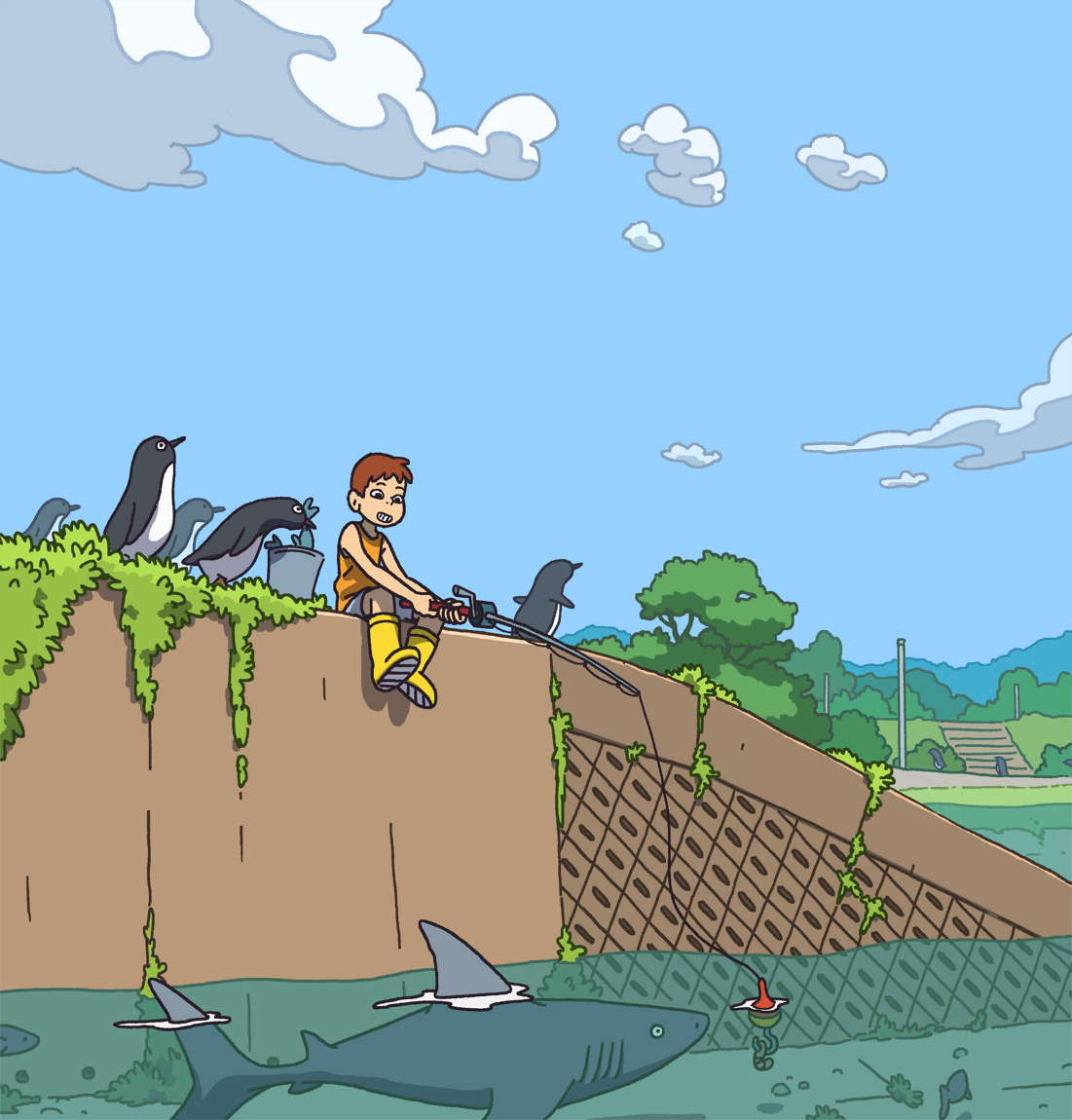
I want to call attention to the fact that this is a non-Japanese artist specifically adopting the idiom of petty infrastructure of rural Japan as backdrop for the supernatural breaking through into everyday life
Okay, as I’ve established, I think Taylor Swift is a supergenius writer, the only one I consider my clear superior. But, I mean, have you heard those lyrics? Come on, right?
Okay, yes the vocabulary and grammatical structure is pitched at an eighth-grade reading level; her work is pitched at an eighth-grade audience. But that’s hardly to say there’s no depth to her lyrics, it’s just that a lot of it relies on semantic overloading, and particularly semantic overloading that specifically plays on her bridging of popular music genres. To simplify, pop-rock lyrics tend to set a mood while country lyrics tell a story, but Taylor Swift lyrics tend to craft an atmosphere in which individual lines suggest a story or multiple stories (which listeners can fill in, according to the specifics of their own lives or daydreams), which can in turn be taken as literal or as metaphors.
(A lot of her themes have traditionally been about the stock female coming-of-age, but they shouldn’t be taken as coming from personal experience - which makes them even more impressive. Remember that she spent her teenage years not going to school and dating but home-studying and establishing her career because, contra Fifteen, she knew exactly what she was going to be. And she does venture afield of this - Never Grow Up and The Best Day are about the experience of watching your child grow, and Innocent is about a 32 year old woman looking to distance herself from the things she’s done - “Taylor Swift lyrics as explications of manosphere/redpill themes” would be a pretty impressive series in its own right.)
Like, Mean, from Speak Now. It’s about bullies, right? That you’ll escape from when you leave this one-horse town and live in a big old city?
Or is it about abusive parents? I mean,
some day I’ll be big enough so you can’t hit me
Girl bullying isn’t really a “hitting” thing, plus
I bet you got pushed around, Somebody made you cold, But the cycle ends right now, cause you can’t lead me down that road
Or is it about critics, such as critics of pop-country star Taylor Swift?
Or yourself and in your insecurity, as your own biggest critic? (cf. Tied Together With a Smile and A Place In This World from the debut)
The answer, of course, is “yes”.
And that’s not even adding in the reading where it’s about her and Kanye West at the VMAs - because Swift can wield her public celebrity tabloid persona to add more reading and layers of valence to her songs, in part through encoded messages in her liner notes. Like, the liner notes code isn’t hard to figure out - just take the letters incongruously capitalized. Because she’s pitching at an eighth-grade audience. And she’s pitching that audience encrypted intertextuality.
Okay, let’s look at another song, Long Live, from Speak Now.
For one, it works a sequel to “Change”, from previous album Fearless, with its blended imagery of supporting a relationship partner, general teenage pressure, and literal revolution (released two months after the first Hunger Games novel came out and shifted the dominant tone of YA from Twilight-era “supportive relationship” to “youth insurrection”).
It’s about triumph, in a supportive relationship, over general teenage pressure (with an aside about high school relationships not being long-term things, in a much more optimistic tone than the similarly themed White Horse and Fifteen), is it metaphorizing that through the recurrent imagery of a coronation, or is it telling a literal story about being named Prom King & Queen, and the answer of course is “yes”. And then the recurring line “bring on all the pretenders”.
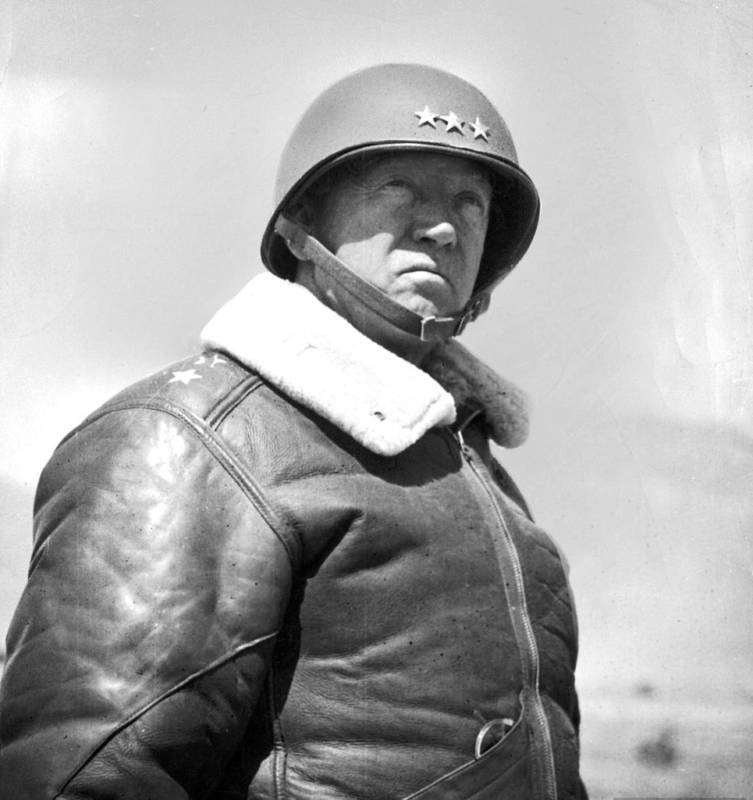
Men, all this stuff you hear about America not wanting to fight, wanting to stay out of the war, is a lot of bullshit. Americans love to fight. All real Americans love the sting and clash of battle. When you were kids, you all admired the champion marble shooter, the fastest runner, the big-league ball players and the toughest boxers. Americans love a winner and will not tolerate a loser. Americans play to win all the time. That’s why Americans have never lost and will never lose a war. The very thought of losing is hateful to Americans. Battle is the most significant competition in which a man can indulge. It brings out all that is best and it removes all that is base.
You are not all going to die. Only two percent of you right here today would be killed in a major battle. Every man is scared in his first action. If he says he’s not, he’s a goddamn liar. But the real hero is the man who fights even though he’s scared. Some men will get over their fright in a minute under fire, some take an hour, and for some it takes days. But the real man never lets his fear of death overpower his honor, his sense of duty to his country, and his innate manhood.
All through your army career you men have bitched about what you call ‘this chicken-shit drilling.’ That is all for a purpose—to ensure instant obedience to orders and to create constant alertness. This must be bred into every soldier. I don’t give a fuck for a man who is not always on his toes. But the drilling has made veterans of all you men. You are ready! A man has to be alert all the time if he expects to keep on breathing. If not, some German son-of-a-bitch will sneak up behind him and beat him to death with a sock full of shit. There are four hundred neatly marked graves in Sicily, all because one man went to sleep on the job—but they are German graves, because we caught the bastard asleep before his officer did.
An army is a team. It lives, eats, sleeps, and fights as a team. This individual hero stuff is bullshit. The bilious bastards who write that stuff for the Saturday Evening Post don’t know any more about real battle than they do about fucking. And we have the best team—we have the finest food and equipment, the best spirit and the best men in the world. Why, by God, I actually pity these poor bastards we’re going up against.
All the real heroes are not storybook combat fighters. Every single man in the army plays a vital role. So don’t ever let up. Don’t ever think that your job is unimportant. What if every truck driver decided that he didn’t like the whine of the shells and turned yellow and jumped headlong into a ditch? That cowardly bastard could say to himself, ‘Hell, they won’t miss me, just one man in thousands.’ What if every man said that? Where in the hell would we be then? No, thank God, Americans don’t say that. Every man does his job. Every man is important. The ordnance men are needed to supply the guns, the quartermaster is needed to bring up the food and clothes for us because where we are going there isn’t a hell of a lot to steal. Every last damn man in the mess hall, even the one who boils the water to keep us from getting the GI shits, has a job to do.
Each man must think not only of himself, but think of his buddy fighting alongside him. We don’t want yellow cowards in the army. They should be killed off like flies. If not, they will go back home after the war, goddamn cowards, and breed more cowards. The brave men will breed more brave men. Kill off the goddamn cowards and we’ll have a nation of brave men.
One of the bravest men I saw in the African campaign was on a telegraph pole in the midst of furious fire while we were moving toward Tunis. I stopped and asked him what the hell he was doing up there. He answered, ‘Fixing the wire, sir.’ ‘Isn’t it a little unhealthy up there right now?’ I asked. ‘Yes sir, but this goddamn wire has got to be fixed.’ I asked, ‘Don’t those planes strafing the road bother you?’ And he answered, ‘No sir, but you sure as hell do.’ Now, there was a real soldier. A real man. A man who devoted all he had to his duty, no matter how great the odds, no matter how seemingly insignificant his duty appeared at the time.
And you should have seen the trucks on the road to Gabès. Those drivers were magnificent. All day and all night they crawled along those son-of-a-bitch roads, never stopping, never deviating from their course with shells bursting all around them. Many of the men drove over 40 consecutive hours. We got through on good old American guts. These were not combat men. But they were soldiers with a job to do. They were part of a team. Without them the fight would have been lost.
Sure, we all want to go home. We want to get this war over with. But you can’t win a war lying down. The quickest way to get it over with is to get the bastards who started it. We want to get the hell over there and clean the goddamn thing up, and then get at those purple-pissing Japs. The quicker they are whipped, the quicker we go home. The shortest way home is through Berlin and Tokyo. So keep moving. And when we get to Berlin, I am personally going to shoot that paper-hanging son-of-a-bitch Hitler.
When a man is lying in a shell hole, if he just stays there all day, a Boche will get him eventually. The hell with that. My men don’t dig foxholes. Foxholes only slow up an offensive. Keep moving. We’ll win this war, but we’ll win it only by fighting and showing the Germans that we’ve got more guts than they have or ever will have. We’re not just going to shoot the bastards, we’re going to rip out their living goddamned guts and use them to grease the treads of our tanks. We’re going to murder those lousy Hun cocksuckers by the bushel-fucking-basket.
Some of you men are wondering whether or not you’ll chicken out under fire. Don’t worry about it. I can assure you that you’ll all do your duty. War is a bloody business, a killing business. The Nazis are the enemy. Wade into them, spill their blood or they will spill yours. Shoot them in the guts. Rip open their belly. When shells are hitting all around you and you wipe the dirt from your face and you realize that it’s not dirt, it’s the blood and gut of what was once your best friend, you’ll know what to do.
I don’t want any messages saying 'I’m holding my position.’ We’re not holding a goddamned thing. We’re advancing constantly and we’re not interested in holding anything except the enemy’s balls. We’re going to hold him by his balls and we’re going to kick him in the ass; twist his balls and kick the living shit out of him all the time. Our plan of operation is to advance and keep on advancing. We’re going to go through the enemy like shit through a tinhorn.
There will be some complaints that we’re pushing our people too hard. I don’t give a damn about such complaints. I believe that an ounce of sweat will save a gallon of blood. The harder we push, the more Germans we kill. The more Germans we kill, the fewer of our men will be killed. Pushing harder means fewer casualties. I want you all to remember that. My men don’t surrender. I don’t want to hear of any soldier under my command being captured unless he is hit. Even if you are hit, you can still fight. That’s not just bullshit either. I want men like the lieutenant in Libya who, with a Luger against his chest, swept aside the gun with his hand, jerked his helmet off with the other and busted the hell out of the Boche with the helmet. Then he picked up the gun and he killed another German. All this time the man had a bullet through his lung. That’s a man for you!
Don’t forget, you don’t know I’m here at all. No word of that fact is to be mentioned in any letters. The world is not supposed to know what the hell they did with me. I’m not supposed to be commanding this army. I’m not even supposed to be in England. Let the first bastards to find out be the goddamned Germans. Some day, I want them to rise up on their piss-soaked hind legs and howl 'Ach! It’s the goddamned Third Army and that son-of-a-bitch Patton again!’
Then there’s one thing you men will be able to say when this war is over and you get back home. Thirty years from now when you’re sitting by your fireside with your grandson on your knee and he asks, 'What did you do in the great World War Two?’ You won’t have to cough and say, 'Well, your granddaddy shoveled shit in Louisiana.’ No sir, you can look him straight in the eye and say 'Son, your granddaddy rode with the great Third Army and a son-of-a-goddamned-bitch named George Patton!’
All right, you sons of bitches. You know how I feel. I’ll be proud to lead you wonderful guys in battle anytime, anywhere. That’s all.
“All the real heroes are not storybook combat fighters. Every single man in the army plays a vital role. So don’t ever let up. Don’t ever think that your job is unimportant. What if every truck driver decided that he didn’t like the whine of the shells and turned yellow and jumped headlong into a ditch? That cowardly bastard could say to himself, 'Hell, they won’t miss me, just one man in thousands.’ What if every man said that? Where in the hell would we be then? No, thank God, Americans don’t say that. Every man does his job. Every man is important. The ordnance men are needed to supply the guns, the quartermaster is needed to bring up the food and clothes for us because where we are going there isn’t a hell of a lot to steal. Every last damn man in the mess hall, even the one who boils the water to keep us from getting the GI shits, has a job to do.”
Men, all this stuff you hear about America not wanting to fight, wanting to stay out of the war, is a lot of bullshit. Americans love to fight. All real Americans love the sting and clash of battle. When you were kids, you all admired the champion marble shooter, the fastest runner, the big-league ball players and the toughest boxers. Americans love a winner and will not tolerate a loser. Americans play to win all the time. That’s why Americans have never lost and will never lose a war. The very thought of losing is hateful to Americans. Battle is the most significant competition in which a man can indulge. It brings out all that is best and it removes all that is base.
You are not all going to die. Only two percent of you right here today would be killed in a major battle. Every man is scared in his first action. If he says he’s not, he’s a goddamn liar. But the real hero is the man who fights even though he’s scared. Some men will get over their fright in a minute under fire, some take an hour, and for some it takes days. But the real man never lets his fear of death overpower his honor, his sense of duty to his country, and his innate manhood.
All through your army career you men have bitched about what you call ‘this chicken-shit drilling.’ That is all for a purpose—to ensure instant obedience to orders and to create constant alertness. This must be bred into every soldier. I don’t give a fuck for a man who is not always on his toes. But the drilling has made veterans of all you men. You are ready! A man has to be alert all the time if he expects to keep on breathing. If not, some German son-of-a-bitch will sneak up behind him and beat him to death with a sock full of shit. There are four hundred neatly marked graves in Sicily, all because one man went to sleep on the job—but they are German graves, because we caught the bastard asleep before his officer did.
An army is a team. It lives, eats, sleeps, and fights as a team. This individual hero stuff is bullshit. The bilious bastards who write that stuff for the Saturday Evening Post don’t know any more about real battle than they do about fucking. And we have the best team—we have the finest food and equipment, the best spirit and the best men in the world. Why, by God, I actually pity these poor bastards we’re going up against.
All the real heroes are not storybook combat fighters. Every single man in the army plays a vital role. So don’t ever let up. Don’t ever think that your job is unimportant. What if every truck driver decided that he didn’t like the whine of the shells and turned yellow and jumped headlong into a ditch? That cowardly bastard could say to himself, ‘Hell, they won’t miss me, just one man in thousands.’ What if every man said that? Where in the hell would we be then? No, thank God, Americans don’t say that. Every man does his job. Every man is important. The ordnance men are needed to supply the guns, the quartermaster is needed to bring up the food and clothes for us because where we are going there isn’t a hell of a lot to steal. Every last damn man in the mess hall, even the one who boils the water to keep us from getting the GI shits, has a job to do.
Each man must think not only of himself, but think of his buddy fighting alongside him. We don’t want yellow cowards in the army. They should be killed off like flies. If not, they will go back home after the war, goddamn cowards, and breed more cowards. The brave men will breed more brave men. Kill off the goddamn cowards and we’ll have a nation of brave men.
One of the bravest men I saw in the African campaign was on a telegraph pole in the midst of furious fire while we were moving toward Tunis. I stopped and asked him what the hell he was doing up there. He answered, ‘Fixing the wire, sir.’ ‘Isn’t it a little unhealthy up there right now?’ I asked. ‘Yes sir, but this goddamn wire has got to be fixed.’ I asked, ‘Don’t those planes strafing the road bother you?’ And he answered, ‘No sir, but you sure as hell do.’ Now, there was a real soldier. A real man. A man who devoted all he had to his duty, no matter how great the odds, no matter how seemingly insignificant his duty appeared at the time.
And you should have seen the trucks on the road to Gabès. Those drivers were magnificent. All day and all night they crawled along those son-of-a-bitch roads, never stopping, never deviating from their course with shells bursting all around them. Many of the men drove over 40 consecutive hours. We got through on good old American guts. These were not combat men. But they were soldiers with a job to do. They were part of a team. Without them the fight would have been lost.
Sure, we all want to go home. We want to get this war over with. But you can’t win a war lying down. The quickest way to get it over with is to get the bastards who started it. We want to get the hell over there and clean the goddamn thing up, and then get at those purple-pissing Japs. The quicker they are whipped, the quicker we go home. The shortest way home is through Berlin and Tokyo. So keep moving. And when we get to Berlin, I am personally going to shoot that paper-hanging son-of-a-bitch Hitler.
When a man is lying in a shell hole, if he just stays there all day, a Boche will get him eventually. The hell with that. My men don’t dig foxholes. Foxholes only slow up an offensive. Keep moving. We’ll win this war, but we’ll win it only by fighting and showing the Germans that we’ve got more guts than they have or ever will have. We’re not just going to shoot the bastards, we’re going to rip out their living goddamned guts and use them to grease the treads of our tanks. We’re going to murder those lousy Hun cocksuckers by the bushel-fucking-basket.
Some of you men are wondering whether or not you’ll chicken out under fire. Don’t worry about it. I can assure you that you’ll all do your duty. War is a bloody business, a killing business. The Nazis are the enemy. Wade into them, spill their blood or they will spill yours. Shoot them in the guts. Rip open their belly. When shells are hitting all around you and you wipe the dirt from your face and you realize that it’s not dirt, it’s the blood and gut of what was once your best friend, you’ll know what to do.
I don’t want any messages saying 'I’m holding my position.’ We’re not holding a goddamned thing. We’re advancing constantly and we’re not interested in holding anything except the enemy’s balls. We’re going to hold him by his balls and we’re going to kick him in the ass; twist his balls and kick the living shit out of him all the time. Our plan of operation is to advance and keep on advancing. We’re going to go through the enemy like shit through a tinhorn.
There will be some complaints that we’re pushing our people too hard. I don’t give a damn about such complaints. I believe that an ounce of sweat will save a gallon of blood. The harder we push, the more Germans we kill. The more Germans we kill, the fewer of our men will be killed. Pushing harder means fewer casualties. I want you all to remember that. My men don’t surrender. I don’t want to hear of any soldier under my command being captured unless he is hit. Even if you are hit, you can still fight. That’s not just bullshit either. I want men like the lieutenant in Libya who, with a Luger against his chest, swept aside the gun with his hand, jerked his helmet off with the other and busted the hell out of the Boche with the helmet. Then he picked up the gun and he killed another German. All this time the man had a bullet through his lung. That’s a man for you!
Don’t forget, you don’t know I’m here at all. No word of that fact is to be mentioned in any letters. The world is not supposed to know what the hell they did with me. I’m not supposed to be commanding this army. I’m not even supposed to be in England. Let the first bastards to find out be the goddamned Germans. Some day, I want them to rise up on their piss-soaked hind legs and howl 'Ach! It’s the goddamned Third Army and that son-of-a-bitch Patton again!’
Then there’s one thing you men will be able to say when this war is over and you get back home. Thirty years from now when you’re sitting by your fireside with your grandson on your knee and he asks, 'What did you do in the great World War Two?’ You won’t have to cough and say, 'Well, your granddaddy shoveled shit in Louisiana.’ No sir, you can look him straight in the eye and say 'Son, your granddaddy rode with the great Third Army and a son-of-a-goddamned-bitch named George Patton!’
All right, you sons of bitches. You know how I feel. I’ll be proud to lead you wonderful guys in battle anytime, anywhere. That’s all.
“All the real heroes are not storybook combat fighters. Every single man in the army plays a vital role. So don’t ever let up. Don’t ever think that your job is unimportant. What if every truck driver decided that he didn’t like the whine of the shells and turned yellow and jumped headlong into a ditch? That cowardly bastard could say to himself, 'Hell, they won’t miss me, just one man in thousands.’ What if every man said that? Where in the hell would we be then? No, thank God, Americans don’t say that. Every man does his job. Every man is important. The ordnance men are needed to supply the guns, the quartermaster is needed to bring up the food and clothes for us because where we are going there isn’t a hell of a lot to steal. Every last damn man in the mess hall, even the one who boils the water to keep us from getting the GI shits, has a job to do.”
i must not fear fear is the mind-killer the little death that brings total obliteration i will face my fear allow it to pass over me and through me and where it has gone only i remain
Anonymous asked: Would you care to recommend (or review) some favorite history books? Any time & place, any topic—but ideally with the economic/structural-political angle you do so well; gotta have that grit.
Stuart Blumin, Emergence of the Middle Class - never actually read it but I probably picked most of it up (and a lot of these books, and a lot of everything I say) from his classes.
Rick Perlstein, Before the Storm and Nixonland - treatments of two Republican presidential candidates, one successful and one not (which one depending on your notion of “success”) that end up being used as a prism on the politics and culture of their times. Relies a bit much on period newspaper articles without making much effort to revise the “first draft of history”, but at least it’s not Foucault-level “this anecdote, and then this one from another country centuries later, therefore the true nature of power and sex” stuff. Can’t recommend The Invisible Bridge, I think Reagan’s still too close for him to get in perspective.
William Cronon, Changes in the Land - an enthralling history of Colonial America through the framework of ecology and land use.
Beth Bailey, From Front Porch to Back Seat - shifts in courtship in 20th Century America, ends up touching on shifts in everything in 20th Century America
Kenneth Jackson, Crabgrass Frontier and Sam Warner, Streetcar Suburbs - together a comprehensive treatment of the development of American suburbs since the 19th century (including a lot of stuff that would be recognized as “city” today).
Robert Caro, The Power Broker - a biography about a master of governance and city politics that touches on everything related to politics, cities, and governance. A goddamn brick, and when Caro traces everything back to Moses’ overbearing mother you realize they weren’t lying about midcentury pop-Freudianism, you can skip those parts.
E. P. Thompson, The Making of the English Working Class - another brick, and a lot of it framed as an argument against works it’s long since displaced, but so good it’s influenced damn near everything to come after it.
me: From the debut of Friends in 1994 to the finale of How I Met Your Mother in 2014, their popularity suggested we at least had a stable consensus on what an idealized modern life course *should* be: move to the city, fall in with a “tribe” of friends who form the core of your social life. Serially date a lot of people who you ultimately don’t make a good pairing with, but from that develop the ability to correctly identify who you DO make a good pair with, preparing you to make a lasting soulmate match. Likely this is a member of your tribe, if only for the same reason that high schoolers tend to date people from the same school - they’re the ones around that know you.
also me: Stable consensus, huh?
me: Excuse me?
also me: By the end of Friends the 34-year-old Ross had seen three different women marry him, the finale is that his soulmate/babymama turns down a career move to stay with him, which resolves both their character issues as established in 1994: HER reluctance to commit to a partner at the expense of chasing some dream of self-fulfillment and HIS frustration that women won’t commit to him, instead chasing some dream of self-fulfillment.
also me: Now the end of HIMYM, by contrast, Ted gives up on the soulmate he’s been orbiting for several years and takes the good-enough-and-available option out of a sense that it’s getting time for him to take the next step on his bourgeois life course.
also me: But that was just the fakeout ending, the real ending is that the soulmate gives him a chance, once she’s a 50-year-old lonely careerist who’s done with her multi-year phase of sleeping with the manipulative scumbag of the friend group.
Anonymous asked: man fuck you, I'm not a "polyamorist" and neither are the fine people who put on our Faire. that shit is not as common as you Portland weirdos think.
The fuck kinda backwards-ass rennaisance faire isn’t run by sex freaks? Christ, it’s like those SF cons that tell authors NOT to flirt with the teenage fans, no one knows how to do anything anymore
The people I know who have worked at the faire for a long time
all complain that there aren’t many orgies or LSD afterwards anymore.
But they’re in their late 50s, maybe they just aren’t invited.
Shit, I guess I just took for granted that was gonna pass on like a standing wave but maybe we’ve dropped the ball on properly cultivating the next generation. I’m having that thought a lot lately
So with the DeVos nomination hearings people are talking about public education mandates regarding disabled kids, which has gotta be the best news hook I’m ever gonna get for this, so let’s go.
My lawyer father did work for the local school district. A lot of that was labor stuff, or land acquisition, or construction contracting, but special education stuff was big in there too, and I picked a bit of it up, from overhearing him with his dictaphone, or reading the little yellow “recent developments in Pennsylvania education law” pamphlets, because the internet wasn’t a thing yet and I had to read something.
Like so much American policy of the 1970s, this was the result of looking at some field of government endeavor, declaring “this doesn’t even seem to be trying to live up to our nominal highest ideals”, solving the problem by mandating that the system in fact implement said nominal highest ideals, and then once the ideals prove ruinously unworkable, going through a tortuous decades-long process of kludging and caveating your way back towards the previous system which at least did do whatever it was that it did.
In practice things would work out like this: our district, which was one of the larger and better-resourced in the state, would be able to handle say Downs or MS kids on-site, with educational aides and special classes, past that there was the “intermediate unit” where a bunch of regional districts pooled resources for things like this. There’d be some kid everyone agreed wouldn’t work in the mainstream, so the district would work up an IEP that would have him using some IU program, and then the parents would be like “oh, but there’s this special program I heard of for blind synaesthetic autists*, that’s the best option for my child, he would thrive most there, it is, to use the magic words, most ‘appropriate to his needs’!”
And honestly, that was maybe even true, but the program charged $250k/year and it was down by Princeton so she was demanding the district provide a driver and an aide every day from 5-7AM and 4-6PM and the total cost was like 50 times average per-pupil spending while the intermediate unit was maybe 5. So the district’s role was to say “lady, no”, and then go to lawfare - lining up motions, experts, evaluators that could be trusted to affirm the district’s position to counter the plaintiff’s experts chosen for reliably affirming hers - to make it stick.
So that’s a dramatic example, though the stuff worth enough and with good enough prospects to fight through to the end tended to be. I’m sure more common were cases of holding the line at a lower level against more sympathetic claims, stuff where the district looks more like the baddies and the cost of resisting starts to approach the cost of giving in if you judged on a case-by-case basis.
Which you couldn’t, because you had to factor in that if your district got a reputation as a pushover word would get out, through whatever listservs or nonprofits or network of professional providers, and you’d start to attract more supplicants.
If you put together an A-1 no-expenses-spared autism program, the whole puzzle piece bumper sticker set from your entire metropolitan commuting zone just ~happens~ to make their next move into your district. Or maybe you shell out for a local kid with a rare condition because you want to do right by your community, be nice, and three families in the same position up sticks and move across the country to your town - what’s the cost of a move compared to millions in effective subsidies - and use the precedent to demand the same. And congratulations, you just niced $12 million of your community’s money away - out of taxes or classrooms - for the benefit of people they don’t know from Adam.
And that’s a thing - these cases that districts really worry about, we’re talking about upper-middle class families. They’re the people that can move at will, they’re the people who even think to wield administrative law against the government, they’re the ones that can match the districts at lawfare, the ones who can afford evaluations by independent experts, lawyers - these things don’t resolve as monetary awards and it’s not like they’re taking cases on contingency and accepting two years of speech pathology sessions in payment, so we’re talking cash-on-the-barrelhead here, lawyer cash.
(Oh, that reminds me of something. “Gifted” programs? Are special education operating under the same IEP framework. Which means they often represent the success of the professional class at extracting resources from the general population and dedicating them towards preparing their scions for the elite.
I remember in 1st and 2nd grade our program was… me, cause they didn’t know what else to do with me [dead certain my dad knowing the system helped tho, for sure], by 6th grade it was maybe 1/5 our year and included a bunch of guys who were above average sure, but mostly their dad owned a dealership.
Actually I’d say the ability to fit into the IEP framework has something to do with the success of the notion of the “gifted child” [which when it caught on in the crystal-dippy New Age ‘70s had elements of the contemporary woo-woo “indigo child”] - not just smart as an adjective, like tall, but a type, with needs who could suffer if they go unmet.)
So that’s something to keep in mind, maybe when you, or the general public, thinks of “disabled student seeking public education services” you’re picturing sympathetic little Tiny Tims. But when actual institutions of public education - and we’re not talking ogrish conservatives, school districts like education spending, they hold this stance lest they be shaken down and shattered - do the same they’re picturing an attacking wave of vampiric Can-I-Speak-To-The-Manager-Moms from hell who have to be fought off lest they suck millions from taxpayer pockets, lest they suck whole classes worth of resources from the schools - and our suburban district could bear this fine, it’s the poor rural “tsk, don’t they know they need education for the future” districts where this can really fuck stuff up - and pour it straight down a hole with a gold-plated nameplate reading “My Wittle Snookums”.
I don’t have a solution. (Wellll, maybe reencoding the disabled as shameful and disposable and consigning whole swaths to low-cost warehousing in accordance with their instrumental potential, because I’m one of those coldly logical male types who prefers solving things to wallowing in ~feelings~ and ~care of persons~.)
To the extent we’re going to ration resources here, and we are, rationing-by-ability-to-work-the-system is a perverse way to do it that routes resources to the already resourced, but under the current system of due process in administrative law (more curse of the 70s) it’s hard to do otherwise.
* this was a throwaway example but now I notice there are some amazing “on the spectrum” jokes here