shrine to the prophet of americana
#regency of carnaro (7 posts)
A City for Poets and Pirates
A City for Poets and Pirates
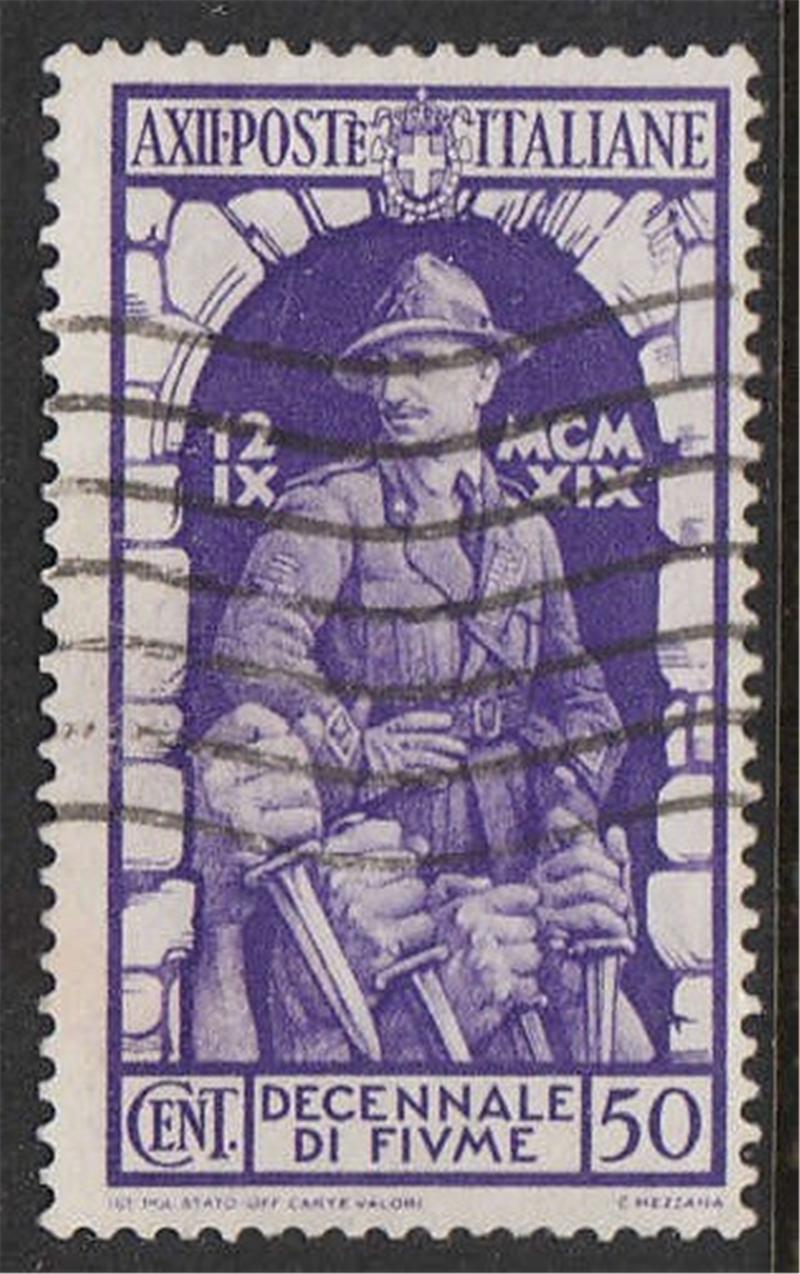
[I]n the negotiations preceding Italy’s entry into the war, Great Britain and France promised to transfer Istria to the Italian government. Instead, the Versailles conference of 1919 sanctioned the formation of a new nation—the Kingdom of Serbs, Croats, and Slovenes, later Yugoslavia—whose territory, it now seemed, would include Istria. For the Italians in Fiume, this awful prospect was due to the incompetence and weakness of the Italian negotiators and had to be immediately corrected by the use of force. For the demobilized soldiers who roamed the country without any particular destination or place in bourgeois society, and for men like Gabriele D’Annunzio, Benito Mussolini, and Filippo Tommaso Marinetti, this denial of the fruits of victory was the most intolerable of humiliations. Talks started between the Italianists in Fiume and some of the new political leaders emerging in the ruins of postwar Italy. This is where D’Annunzio enters the story…
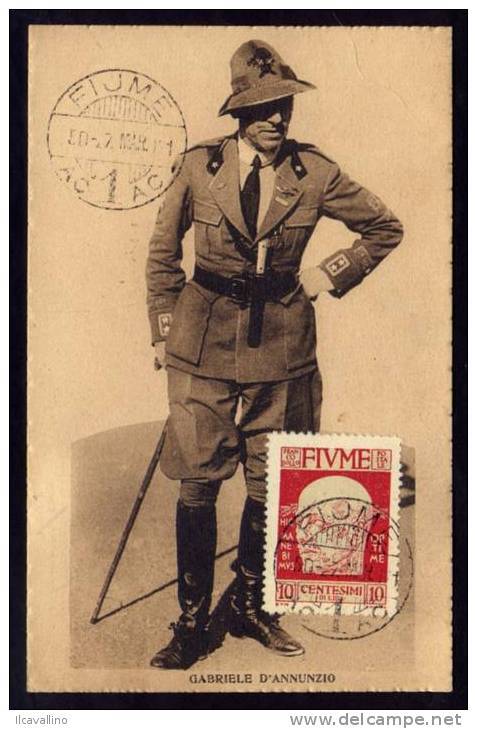
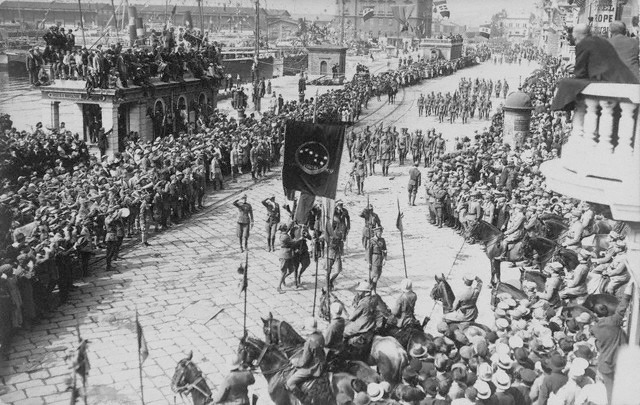
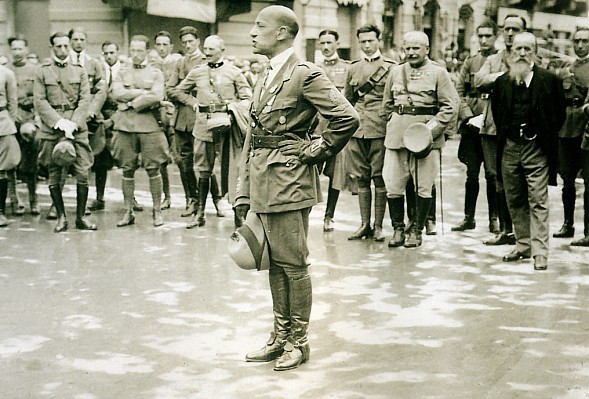
It seemed to Fiume’s Italian elite that they had found their leader. D’Annunzio had developed connections with the arditi in Venice during the war and had shown himself perfectly capable of eliciting extraordinary enthusiasm in his followers. In September 1919, a band of a few hundred ex-combatants marched under his command toward Fiume. No one stopped them; on the contrary, the Italians among the Allied troops charged with guarding the city joined their cause. They entered Fiume, whose non-Slavic population initially received with euphoria the arrival of this strange leader who had never governed before, who had the vaguest political ideas, and who seemed to be mostly occupied in the tiring task of self-glorification…
From the beginning, the coexistence of the diverse groups that gravitated around D’Annunzio had been difficult. There were the citizens of Fiume and the Italian troops (the arditi, the carabinieri), but also Bolsheviks who rushed to the city (in a Moscow speech, Lenin said he and D’Annunzio were the only authentic revolutionaries of Europe); anarcho-syndicalists; futuristic, fascist Dadaists; and oddities like the curious war hero Guido Keller, whose mascot was an eagle, who slept naked in the tops of trees, and who was one of the new commander’s main lieutenants. The universe around the leader quickly fragmented into factions. Forced to take sides, D’Annunzio came to rely mostly on the young artists, anarchists, and arditi who constituted the radical wing of the grand alliance of Fiume, and who formed the “Union of Free Spirits Tending Toward Perfection” (or, as they nicknamed it, “Yoga”). The group shared an enthusiasm for Hinduism, spiritual aristocracy, nudism, and for building an agrarian utopia where preindustrial forms of life would be restored. Subgroups were formed: the Brown Lotuses, who wanted to lead a simple life and professed a return to nature; the Red Lotuses, who proclaimed the arrival of a new world transfigured by a renewed sexuality; and a group who identified themselves as the followers of a still-undefined “Sacred Love.”
Gabriele D'Annunzio's Fiume Enterprise: 100 Years On
Gabriele D'Annunzio's Fiume Enterprise: 100 Years On
The poet-soldier’s occupation also saw the arrival of bohemians, artists, adventurers, fugitives, homosexuals, dandies and reformers of every type. In essence, the contested city welcomed anyone who wanted to dethrone the bourgeoisie who sent the youth to war and afterwards expected that there would be business as usual.
Some of these people were part of D’Annunzio’s governing administration. There was Léon Kochnitsky, a Belgian poet who headed the Foreign Affairs department; Harukichi Shimoi, an Italian enthusiast from Japan who acted as a diplomat and tried to teach karate to the Fiuman volunteers; and last but not least Guido Keller, a former war aviator known in Fiume for being a nudist, a vegetarian and a prankster, who was in charge of a ministry that organized acts of piracy.