shrine to the prophet of americana

#pulp fiction (43 posts)

One last thing before I get to the infohazard proper: Looking back a lot of the distinctively ‘90s sexual imaginary was...

isaacsapphire:

kontextmaschine:

One last thing before I get to the infohazard proper:

Looking back a lot of the distinctively ‘90s sexual imaginary was basically aestheticized caricatures.

The whole ‘80s S&M thing, Mapplethorpe and Madonna, left us with a strong image of the dominatrix, in black leather wasp-waisted corset and whip. (The outfits in the Matrix were intended for an audience with that figure in mind) The “teen” in cheerleader outfit and pigtails and a lollipop, the bleach-blonde bimbo with breast implants and inch-long painted nails. Even if you did that last one well - Pamela Anderson - it was still over-the-top. They didn’t try to have porn stars act anymore but gonzo hadn’t come in yet so you’d have a movie that was like, the woodsmen in firefighter gear doing it on a firetruck. (With women, I should specify.)

And that stuff was so abstracted from any real referent as to be weightless, cotton-candy fantasy.

You heard a lot about “asian fetishes” and I’m sure part of that came from the kids of the ‘70s immigrant wave coming of age but part of that was that Japanese porn was making the American market, and you had hentai with its own over-the-topness but also the live-action stuff hadn’t lost the knack of “here’s the prettiest girl you saw on the street today, undressed, in a tableau that sets up accessible fantasies”.

And it’s striking how the defining fantasy figures of our current moment seem to be running a lot closer to bare metal, and a lot more hostile.

Maybe “step-“ family members who molest you, “daddy” as a figure who when not your actual father is fetishized as an older and more powerful, controlling man groomimg you for his use. Cuckold/bull, “the guy who steals your girl”. The crazy stalker girl you literally have to fight off (or fail) because she’s trying to get pregnant by you to own you.

Like, these fantasies are all based off the actual dynamics of real people who will ruin your fucking life, and that’s something.

An interesting thing is how softer, more abstracted versions now seem to use a vocabulary borrowed from the Japanese - monster girl stuff tends Fdom as loving GFE,
“stuck in wall” as a weightless rape scenario, ahegao and public use toilet stuff so over the top as to be completely removed from everyday experience.

Some of that’s the “re-enchanting heterosexuality with power dynamics” trend. Like, in an open parking lot, who outranks who, the firefighters or the party girl? That’s… not even an axis, really.

But a lot of it really seems female-led. Maybe it’s not even so much the girls are into Fsub as they are into eroticizing social power dynamics. God knows that’s the traditional charge of romance novels, from bodice-rippers to whatever the fuck Wuthering Heights was, the value went totally over my head at least at the time.

Maybe I don’t even appreciate how much of that is topping from the bottom. Like when I had been saying “so much Fsub” part of it I had noticed some crossover from ASMR and therapy culture like “reassurance” or “appreciation”. “Small dick appreciation”. Reassuring an anxious guy, a shy virgin. And from my perspective I took that as loving Fsub, but now that I think of it, “appealing to someone’s vulnerabilities, inferior social position and/or mental illness to recruit a sexual bond with them” is kinda ambiguous, isn’t it?

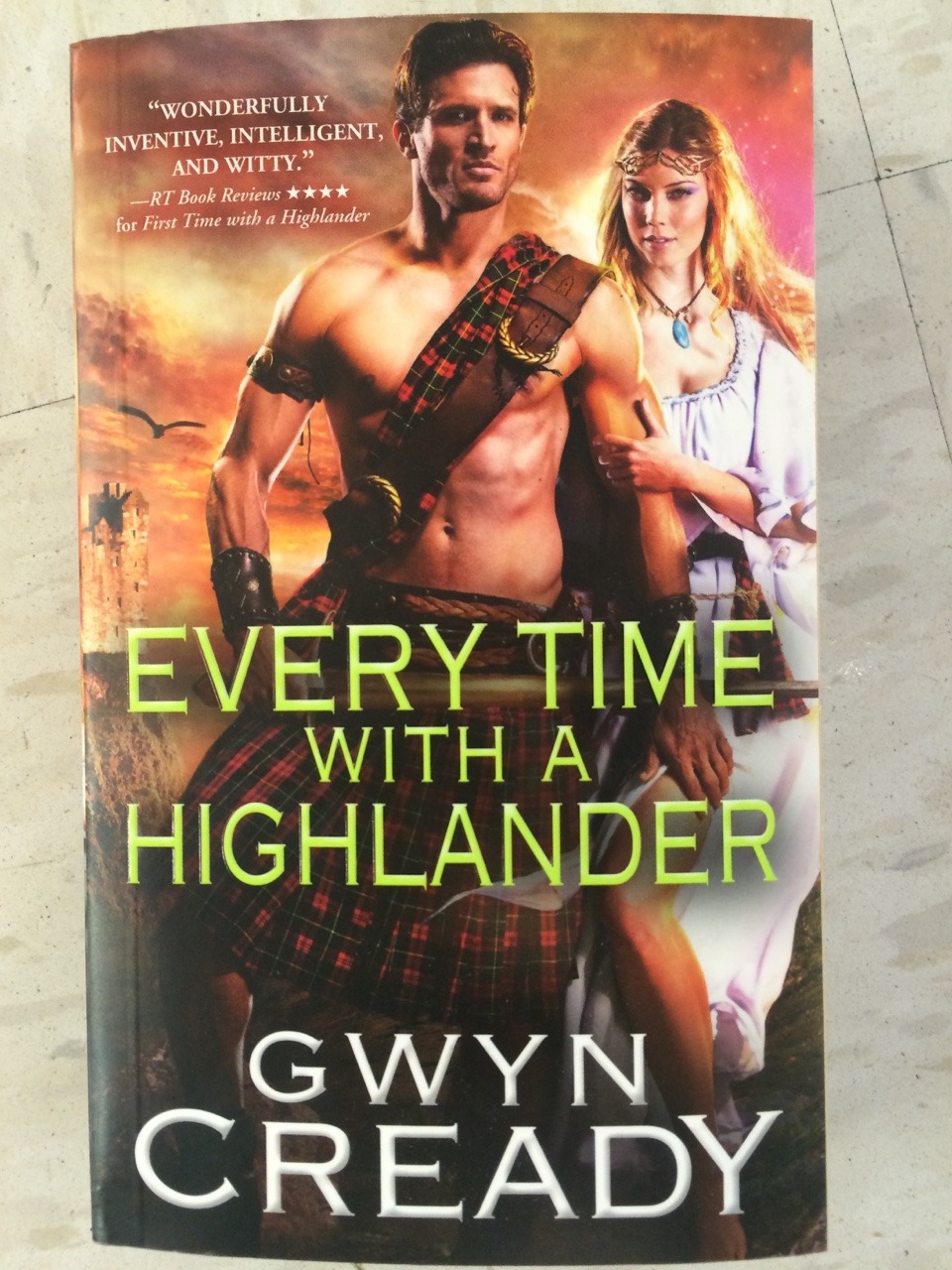
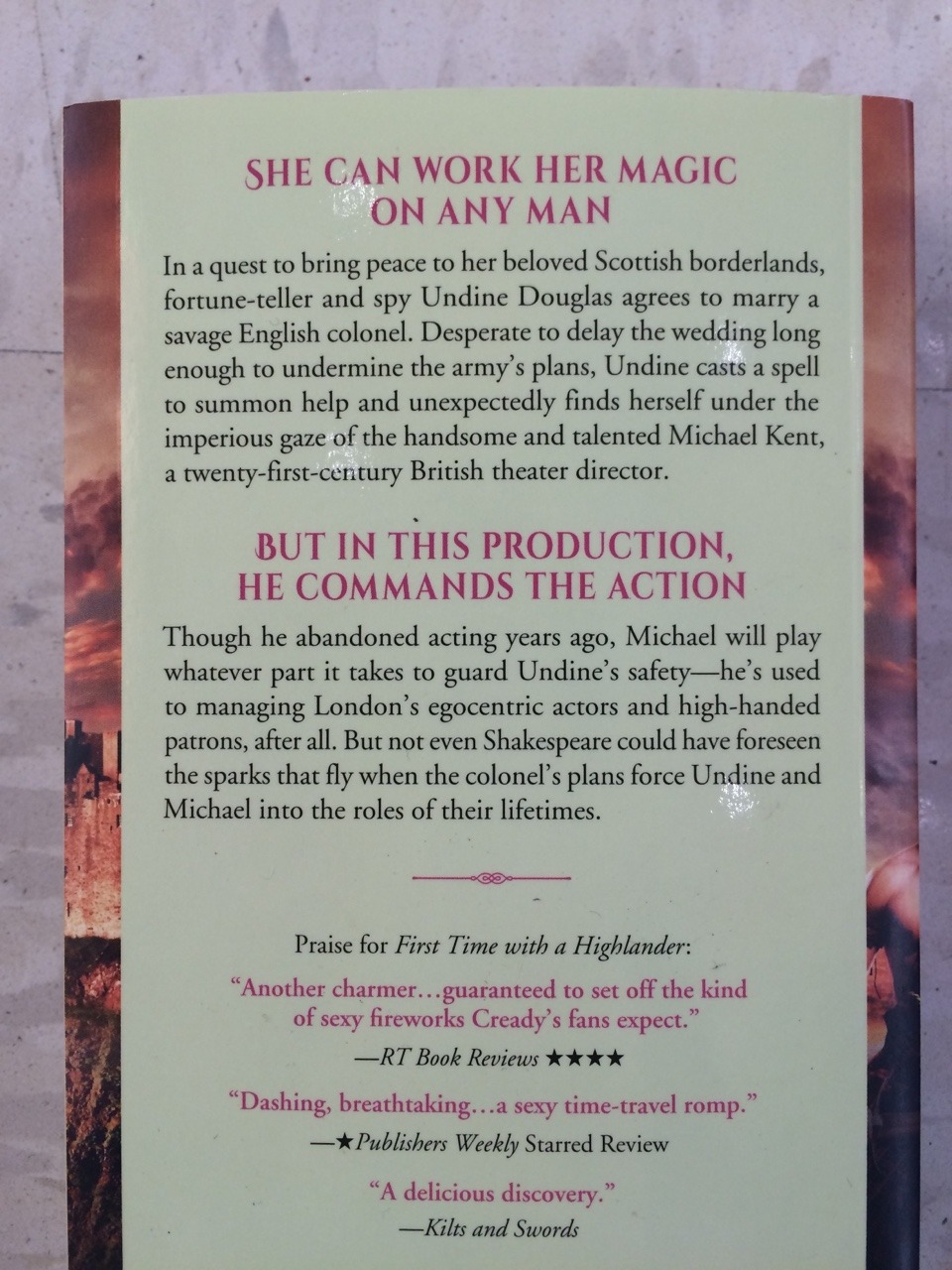
A LOT of the appeal of traditional romance novels was that the power dynamics of the situation were WEIRD. Like, prototypical bodice ripper has this class and social status thing going on in the background too, but like, the rich handsome captain of industry with a broad chest getting caught in the rain in a gazebo with the rich headstrong impoverished orphan Lady or whatever, and she’s resisting but really turned on, and he is a man of immense personal control, but he’s “overwhelmed” by his attraction to her and can’t help himself, despite his prodigious self-restraint. Often, the hero will flee the heroin’s presence because he doesn’t think he can contact to not ravish her if she’s right there.

It’s not merely a female fantasy of getting exactly what you want despite your protests to the contrary, it’s also a fantasy of being powerfully attractive and borderline having involuntarily mind control powers or something.
Tagged: pulp fiction

yo what was the SF novel where it was like "totally incidental to the main plot, this space station is manned by five identical...

youzicha:

kontextmaschine:

yo what was the SF novel where it was like “totally incidental to the main plot, this space station is manned by five identical clone sisters that have the hottest lesbian incest orgies?”

Titan, by John Varley!

“I don’t want to make it sound too brutal,” August had said on that occasion, a night when some glasses of Bill’s soybean wine had been consumed. “Those scientists were not monsters. A lot of the behaved like kindly aunts and uncles. We had just about anything we wanted. I’m sure a lot of them loved us.” She had taken another drink. “After all,” she said, “we cost a lot of money.”

What the scientists got for their money was five quiet, rather spooky geniuses, which is just what they ordered. Cirocco doubted that they had bargained for the incestuous homosexuality, but felt they should have expected it, just as surely as the high I.Q. They were all clones of their mother— the daughter of a third-generation Japanese-American and a Filipino. Susan Polo won the Nobel prize in physics and died young.

Cirocco looked at August as the woman studied a photo on the chart table. She was exactly like her famous mother as a young woman: small, with jet-black hair and a trim figure, and dark, expressionless eyes. Cirocco had never thought Oriental faces were as similar as many Caucasians found them to be, but April and August’s faces gave nothing away. Their skin was the color of coffee with lots of cream, but in the red light of the Science Module August looked almost black.

Only two of the siblings are on the space ship and feature in the sex scenes, though.

Ah yes, that’s exactly right. I was a big Varley fan off of Steel Beach, at one point the most important book in my life

I still think of his sex-changes-as-haircuts

Tagged: pulp fiction john varley

yo what was the SF novel where it was like "totally incidental to the main plot, this space station is manned by five identical...

yo what was the SF novel where it was like “totally incidental to the main plot, this space station is manned by five identical clone sisters that have the hottest lesbian incest orgies?”

Tagged: pulp fiction

Like, I knew all along that Quentin Tarantino movies were all about The Movies and moviemaking, but I just now thought to...

Like, I knew all along that Quentin Tarantino movies were all about The Movies and moviemaking, but I just now thought to realize that his “dead nigger storage” scene in Pulp Fiction was taking the piss out of himself as a director, and directors in general

Like, Samuel L. Jackson was an experienced professional who’d been doing his thing for decades at that point, but he still had to politely let this reedy, coked up San Fernando Valley whiteboy scream abuse about how to do his job, uselessly melting down and then getting saved by a producer-fixer (“The Wolf”), and then giving the stars shit over the outcome of his own creative decisions (“They look like a couple of dorks/They’re your clothes, motherfucker”)

Tagged: quentin tarantino pulp fiction

me: it’s funny that cyberpunk got associated with the Jan Hammer synths of the sun-soaked Miami Vice and not the dub reggae...

me: it’s funny that cyberpunk got associated with the Jan Hammer synths of the sun-soaked Miami Vice and not the dub reggae originally set up as the soundtrack of its grimy, shady future

also me: illustrating that both aesthetics were merely veneers and the “neon noir” rediscovery of the morally grey *detective story* was the load-bearing element of the ‘80s

Tagged: pulp fiction

me: With time to reflect, maybe the rise of active, "transformative" fandoms and "remix culture" we so celebrated in the '90s...

me: With time to reflect, maybe the rise of active, "transformative" fandoms and "remix culture" we so celebrated in the '90s really did have a downside.
me: At the mildest, with the splintering of audiences, TV viewer-creator interaction has gone so far past alt.tv.simpsons and alt.tv.x-files to the point some shows and creators seem to see their role as *servicing* a social media following in a way that seems like eating seed corn
me: And then getting to the "toxic" fandoms that claim ownership of a media property and viciously defend it even from its creators... I almost wonder if those authors like Anne Rice who cracked down on fanfiction were on to something, to say "no, this is not a LEGO kit of themes, characters, and plot elements to assemble and reassemble according to the instructions or not as you will, it is a coherent and mutually supportive work of art"
me, five hours later: Alternately, "Lestat c'est moi"

Tagged: pulp fiction 90s90s90s

Ready Player One

kontextmaschine:

So I heard about Ready Player One, it sounded interesting, finally got a chance to read it.

Jesus.

Like, I would describe the prose as “workmanlike”, in the sense of Homer Simpson making that spice rack. The thing is seriously held together not only by ‘80s geek pop culture references, but ‘80s geek pop culture references that get called out by name and explained in depth when they appear, like the novelization of a fucking Seltzer-Friedberg movie.

and this is all set in the what, 2020s? 30s? but the plot at least accounts for that, foregrounds it even and I guess there is that weird geek retro thing, girls at Ground Kontrol with 8-bit Samus tattoos across their colllarbones like wow I"m pretty sure we were into the 32 bit era by the time pooping became volitional for you

Also it’s got this quest narrative that gets interrupted for a bizarrely long middle section that’s all boy meets girl/boy gets girl/boy loses girl, except it’s really boy impresses girl on the internet through nerd trivia and then obsesses over her in a way that ultimately skeeves girl out, and maaaaybe this is a riff on John Hughes movie structure?

But it was a decent page-turner and I kept reading it, up to right before the end boss fight, and yes it was shaping up as a literal boss fight because of fucking course it was, and –

okay I’m not a “good guy” here. I’ve been reading a lot of tumblr “voice of the underdog” communists lately and honestly feminists for years, I came to tumblr by way of Sady Doyle, and maybe picking a bit up from them and that’s kind of conscious and intentional because I’ve long been aware of how impressionable I am by good writers and recently my superego was getting its eyebrow pretty high about how firmly I’d been nodding to fascists and white nationalists, and

while I’ll understand how people different from me are totally real and have totally legitimate desires that kind of only reaffirms me in looking out for #1 because I realize with everyone being real and legitimate there’s not a way everyone can win, there’s just not, fulfillment of one is always experienced as limitation of another and I want good people to win but myself first of all –

okay, when the book made the point that the liberating thing about the internet is that it enables School Choice, so that the smart deserving poor can escape the violent undeserving poor – I mean I’ll nod and affirm the critiques, but allowing the smart deserving poor to join me in ruling the world is basically the extent of my fantasy social uplift politics so whatever.

When it made the point that the liberating thing about the internet is that it makes cool old guys who think of themselves as wizards rich, so they can wisely use their money to enable the deserving poor persecuted geeks to escape their lives towards Oregon, I mean, that’s not how I’d put it but wow glass houses.

But when it made the point, and I’m barely even paraphrasing, page 320 of the Broadway Paperbacks first edition, that the liberating thing about the internet is that anyone can pass as a thin straight white boy, as long as they like Rush and objectifying women, I honestly yelled “fuck this!” and threw the book on the ground.

I would’ve used it to pick up dogshit and thrown it in the trash, too, if it were my copy.

The wonderful thing about genre fiction is the way it’ll be spiced with completely unreflective takes on the author’s kinks.

April 14, 2013

Tagged: pulp fiction

you know theres some fanfics especially AUs where by the later part of the story it bears absolutely no resemblance to the...

multiheaded1793:

memecucker:

you know theres some fanfics especially AUs where by the later part of the story it bears absolutely no resemblance to the original work in any meaningful way well DuckTales is basically that but for A Christmas Carol

reminder once again that the film Birth of a Nation, which inspired the formation of the Second Ku Klux Klan, was an adaptation of a sequel to a gritty AU/Confederate fix-it fic version of Uncle Tom’s Cabin, which was a popular trend at the time

Tagged: same as it ever was pulp fiction

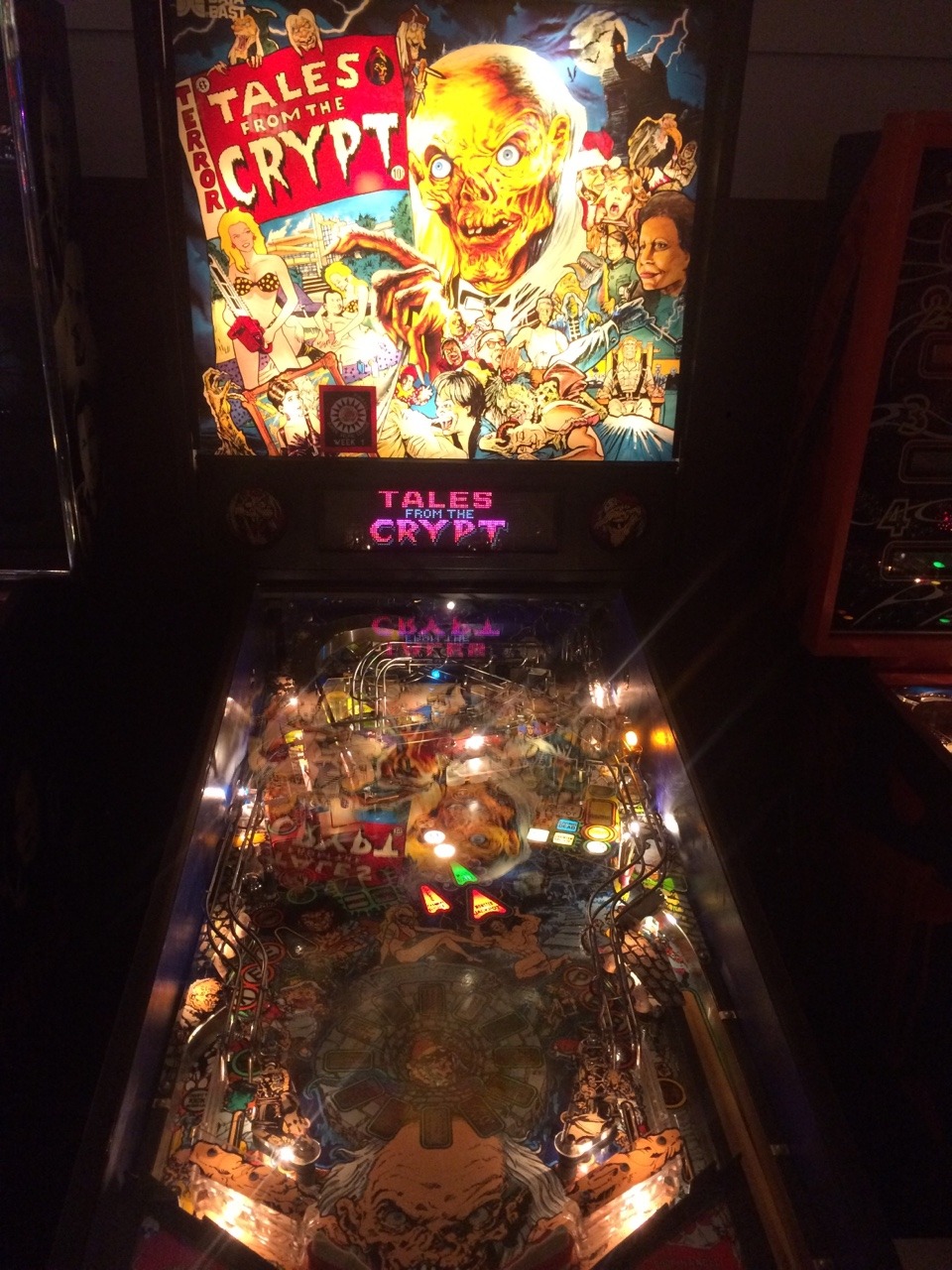
So “Tales from the Crypt” was the respected early ‘50s horror comic from EC that got squashed in the “Seduction of the Innocent”...

So “Tales from the Crypt” was the respected early ‘50s horror comic from EC that got squashed in the “Seduction of the Innocent” scare

In 1989 HBO used the brand for a horror anthology series, at the same time Sandman was recasting that comics era as deep myth

It was kinda Twilight Zone in its irony but more visceral, with gore and tits. HBO’s premium cable original programming brand was always “with gore and tits”, before SatC they had an aging boomer sitcom called “Dream On” where the conceit was his retro-themed sexual fantasies were shot as part of the plot

Tagged: 90s90s90s pinball same as it ever was pulp fiction tales from the crypt

It (2017) review: a superb movie less about clowns than real-world evil - Vox

It (2017) review: a superb movie less about clowns than real-world evil - Vox

dagny-hashtaggart:

kontextmaschine:

This is at least one notch better than the usual “everything in culture is actually about Trump and his eeevil” hogwash.

(“Hogwash” means “shit”. You know, what hogs roll about in, as if to bathe?)

More than that tho, it moves me to put on my kontextgoggles and look at Stephen King in relation to his period of American culture.

King’s work always reflected on the culture around it, if only by the print era pulp-prolific tactic of filling pages by shoehorning every stray thought you have into whatever you’re writing at the time (Colin @spacetwinks reports his latter-day works are full of transparent, charmingly Maine-centric axe-grinding).

But his “golden age”, say, Carrie to Needful Things, was in the 70s-80s period that, if my cyclical understanding of history holds (it does) resembled the one we’re currently going through, so it’s particularly worth considering now.

One significant thing – as the cities were emptying out, to the point of memory-holing that the US had been a predominantly urban country since the 1930s, King’s work focused on rural small town life, often about outsiders moving into said. Pet Sematary, for example, it’s very significant that the narrator moved out to the sticks – long driveway off a truck route, charming local historic ruins, undeveloped enough to still show traces of precolonial life – to raise a family.

(A thing to do would be to contrast King’s use of of rural New England with Hawthorne and Lovecraft’s, but tbh I don’t know them that well)

Similarly, I occasionally hear guffaws that Cujo has a whole subplot about cereal branding, but it just serves to remind that Vic is a yuppie who moved out of NYC to protect his young family only to confront the fact that the countryside is actually uncivilized and bestial too. There is some woo “reincarnated spirit of evil” in there, but all the fundamental threats to his family – unreliable transportation and sparse services, unmanaged wildlife, irresponsible white trash neighbors – are real rural dangers.

There’s a lot of stuff about gender relations and changing expectations of marriage. In Sematary, the narrator’s wife grows alienated, channeling her attentions away to others; before Gage he revives her cat. For fear of abandonment he goes further and further to hold on to a family – embittered wife, bad seed child, evil cat – the last generation’s men might have abandoned themselves. In Cujo, there’s lingering issues with recent infidelity.

(You laugh about how 50s-80s High Literature was so obsessed with adultery, but if not “orienting your life to duty, purpose, order vs. orienting it to animal sensation and personal satisfaction”, I dunno what period art should’ve been concerned with.)

The Shining is very much about a guy born into the old dispensation – that men create and carouse and mount their genius to chase their passion while women tend the home fires – dealing with new expectations that he be an emotional provider to his wife and child, that he act as a supporting character in their life-plots rather than the reverse.

What else? It, and more grounded companion piece The Body (known in adaptation as Stand by Me) honestly strike me most as a exploration of the Boomer-era “generation gap”, how the culture of the previous generation may have brought about the “broad middle class” ‘50s but was unsuited to address the problems encountered there.

“To beat this evil clown, we’ve gotta gangbang our chick friend” seems weird as hell, but “to progress, we’ve got to create a New Adulthood that doesn’t define itself against childhood but instead adds sex” is pretty much the Boomer story.

(Also, people who live in group houses shouldn’t throw stones.)

Carrie is very much about the ‘70s reintegration of a long-isolated religious fundamentalism to a mainstream that had only grown more secularized and libertine (appreciably more so than in the “family values”, “bourgeois bohemian” 80s-90s, which was the synthesis of this opposition) since. Particularly, it layers the discrepancy in mores – showing your dirtypillows vs. not, say – over an even deeper gap in worldviews, between bucket-of-blood materialism and a numinous, supernatural world.

And that’s just the stuff I dignify as serious. Carrie, The Shining, Firestarter, and I guess The Stand all focus on psychic/telekinetic kids, which is a reminder that the 70s were full of woo, ESP was a serious topic, and the idea of the “gifted child” started out a lot closer to today’s “indigo child”.

(I like to think that Bill Murray’s researcher in the stylistically thrownback The Royal Tenenbaums was a callback to Venkman’s “negative reinforcement” introduction from Ghostbusters, like “back in the day we went looking for psychics but instead we just discovered autism")

I’m in kind of the opposite position, having read most of Lovecraft’s works, but only a couple of King’s.

Regarding Lovecraft’s relationship to rural New England: while a lot has been made of Lovecraft’s longing for an idealized New England aristocracy, it’s worth noting that this was a specifically urban aristocracy. His scenes of comfort and remembered glory are full of gambrel roofs and collegiate libraries, not the plantations of the Southern Gothic authors. Celephais and Kadath, the chief loci of longing in Lovecraft’s fiction, are both envisioned as supernatural cities.

By contrast, his treatment of rural settings and their inhabitants ranges from disdain to terror. The rural poor in Lovecraft’s stories are generally nice enough people, but also a bit on the too dumb to live side. Rural elites, meanwhile, are among Lovecraft’s most common villains: examples include Wilbur Whateley in The Dunwich Horror, the Marsh and Waite families of Innsmouth, and the twisted descendants of the Martense clan in The Lurking Fear. There’s also some fear of the untamed corners of the natural world evident in Lovecraft’s work, though it doesn’t show up as clearly and strongly as in some of Lovecraft’s predecessors, like Arthur Machen.

One of the central concerns in Lovecraft’s writing is the pollution of blood and the degeneration of human genetic stock. Commentators have mostly noted this with regard to fears of race-mixing and exogamy, and they’re right to note these things, but Lovecraft was equally concerned with excessive endogamy. The Lurking Fear, which centers around a seemingly abandoned mansion full of the man-eating, semi-simian descendants of a wealthy rural family that became so inbred over the course of centuries as to no longer be recognizably human in body or mind, is the starkest example of this. As far as I can recall, incest isn’t brought up as an explicit plot point in his other fiction set in rural New England, but it’s strongly implied in many of these stories, including The Dunwich Horror, The Shadow Over Innsmouth, and The Thing on the Doorstep.

In short, Lovecraft generally viewed rural New England (and probably rural areas more generally) as frightening and dangerous, and a potential corrupting influence on the virtuous urban elite that supplied most of his protagonists and sympathetic characters.

Tagged: pulp fiction

It (2017) review: a superb movie less about clowns than real-world evil - Vox

It (2017) review: a superb movie less about clowns than real-world evil - Vox

This is at least one notch better than the usual “everything in culture is actually about Trump and his eeevil” hogwash.

(“Hogwash” means “shit”. You know, what hogs roll about in, as if to bathe?)

More than that tho, it moves me to put on my kontextgoggles and look at Stephen King in relation to his period of American culture.

King’s work always reflected on the culture around it, if only by the print era pulp-prolific tactic of filling pages by shoehorning every stray thought you have into whatever you’re writing at the time (Colin @spacetwinks reports his latter-day works are full of transparent, charmingly Maine-centric axe-grinding).

But his “golden age”, say, Carrie to Needful Things, was in the 70s-80s period that, if my cyclical understanding of history holds (it does) resembled the one we’re currently going through, so it’s particularly worth considering now.

One significant thing – as the cities were emptying out, to the point of memory-holing that the US had been a predominantly urban country since the 1930s, King’s work focused on rural small town life, often about outsiders moving into said. Pet Sematary, for example, it’s very significant that the narrator moved out to the sticks – long driveway off a truck route, charming local historic ruins, undeveloped enough to still show traces of precolonial life – to raise a family.

(A thing to do would be to contrast King’s use of of rural New England with Hawthorne and Lovecraft’s, but tbh I don’t know them that well)

Similarly, I occasionally hear guffaws that Cujo has a whole subplot about cereal branding, but it just serves to remind that Vic is a yuppie who moved out of NYC to protect his young family only to confront the fact that the countryside is actually uncivilized and bestial too. There is some woo “reincarnated spirit of evil” in there, but all the fundamental threats to his family – unreliable transportation and sparse services, unmanaged wildlife, irresponsible white trash neighbors – are real rural dangers.

There’s a lot of stuff about gender relations and changing expectations of marriage. In Sematary, the narrator’s wife grows alienated, channeling her attentions away to others; before Gage he revives her cat. For fear of abandonment he goes further and further to hold on to a family – embittered wife, bad seed child, evil cat – the last generation’s men might have abandoned themselves. In Cujo, there’s lingering issues with recent infidelity.

(You laugh about how 50s-80s High Literature was so obsessed with adultery, but if not “orienting your life to duty, purpose, order vs. orienting it to animal sensation and personal satisfaction”, I dunno what period art should’ve been concerned with.)

The Shining is very much about a guy born into the old dispensation – that men create and carouse and mount their genius to chase their passion while women tend the home fires – dealing with new expectations that he be an emotional provider to his wife and child, that he act as a supporting character in their life-plots rather than the reverse.

What else? It, and more grounded companion piece The Body (known in adaptation as Stand by Me) honestly strike me most as a exploration of the Boomer-era “generation gap”, how the culture of the previous generation may have brought about the “broad middle class” ‘50s but was unsuited to address the problems encountered there.

“To beat this evil clown, we’ve gotta gangbang our chick friend” seems weird as hell, but “to progress, we’ve got to create a New Adulthood that doesn’t define itself against childhood but instead adds sex” is pretty much the Boomer story.

(Also, people who live in group houses shouldn’t throw stones.)

Carrie is very much about the ‘70s reintegration of a long-isolated religious fundamentalism to a mainstream that had only grown more secularized and libertine (appreciably more so than in the “family values”, “bourgeois bohemian” 80s-90s, which was the synthesis of this opposition) since. Particularly, it layers the discrepancy in mores – showing your dirtypillows vs. not, say – over an even deeper gap in worldviews, between bucket-of-blood materialism and a numinous, supernatural world.

And that’s just the stuff I dignify as serious. Carrie, The Shining, Firestarter, and I guess The Stand all focus on psychic/telekinetic kids, which is a reminder that the 70s were full of woo, ESP was a serious topic, and the idea of the “gifted child” started out a lot closer to today’s “indigo child”.

(I like to think that Bill Murray’s researcher in the stylistically thrownback The Royal Tenenbaums was a callback to Venkman’s “negative reinforcement” introduction from Ghostbusters, like “back in the day we went looking for psychics but instead we just discovered autism")

Tagged: amhist pulp fiction stephen king ungame era

Remember in 1993 when Jurassic Park was like…the end all, be all of special effects?

thesanityclause:

thistherapylife:

bastlynn:

prettyarbitrary:

senkirowolf:

witwitch:

adinfinitumxx:

2p-germanys-blog:

spinosaurus-the-fisher:

funkylittlefang:

spinosaurus-the-fisher:

perspectiverelativity:

buddha-fett:

red-dirt-roads:

alessariel:

brainsforbabyjesus:

alessariel:

bitter-bi-witch:

datneeks:

socialjusticeichigo:

shadowthorne:

mizushimo:

mauridianhallow:

fangirlingoverdemigods:

drtanner:

suicunesrider:

uneditededit:

Remember in 1993 when Jurassic Park was like…the end all, be all of special effects?

image

not gonna lie that still looks intimately real

I’m still somewhat convinced that someone sold their soul to create the special effects in Jurassic Park because that shit is over 20 years old and it still really, really holds up, better than the stuff in a lot of current movies, even.

Fucking witchcraft, man. 

image

fucking look at this shit though

image

Literally see this post flying around with a few different responses added to the bottom each time so I’ll say it for this one myself:

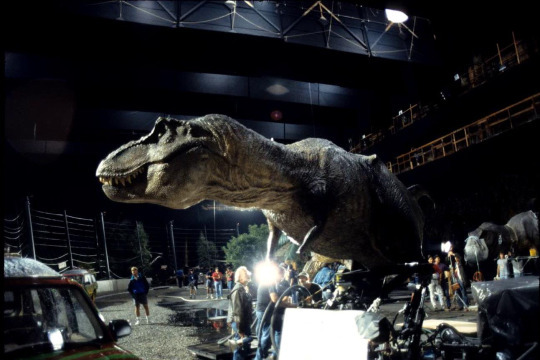
THEY ACTUALLY BUILT A GIANT MASSIVELY DETAILED FUCKING ANIMATRONIC T-REX FOR ALL OF THIS THAT’S WHY THE EFFECTS ARE SO GOOD. CAUSE IT AIN’T CGI. AND IT AIN’T GUY IN A COSTUME. IT’S A BIG FUCKING ROBOT DINOSAUR. AND EVERY PART IS DESIGNED TO MOVE. IT COST LIKE HALF THE BUDGET OF THE FILM.

image
image

amazing

And they had the film it in small increments, especially in the outdoor scenes, because the rain fall kept soaking into the ‘skin’ of the rex and would slow down and mess up its movements. So they would stop filming and have a crew out there drying off this massive, fake dinosaur, and then they’d start filming again until it was too wet. Repeat until the end of the scene.

They used animatronics and detailed costumes for most if not all of the dinosaurs in the first movie.

The triceratops for instance, was also animatronic.

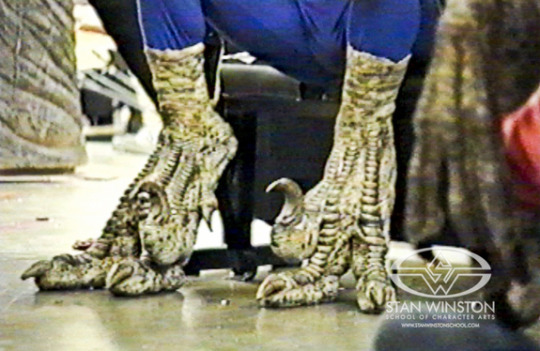
And the raptors were dudes in suits. I shit you not.

One of my favorite anecdotes I’ve read on tumblr is how the t-rex robot from Jurassic park would malfunction while it was drying out. How did it malfunction, you might wonder?

Motherfucker randomly started moving.

So apparently if you were on the jp set you would sometimes hear people screaming bloody murder even though they were all well aware that it was a giant animatronic puppet and wouldn’t actually, you know, eat them.

(link to said post about malfunctioning t-rex)

Did not know this, had to reblog for awesome movie history insights.

So, I knew about the animatronics bit but I did not know the raptors were guys in suits and the malfunctioning t-rex sounds terrifying.

And i just googled malfunctioning t-rex and was not disappointed. Apparently in order to put the skin on over the steel frame a guy had to crawl inside the t-rex while it was turned on and glue the skin down. And if somebody turned the t-rex off or the power went out the guy in the t-rex stood a very real chance of getting mangled and killed by the hydraulics.

So of course, the power goes out.

And this guy is still in there gluing the skin down.

Apparently the way to survive getting sheered to death by huge sheets of metal while you’re inside a giant t-rex robot is to curl into a ball and hope for the best.

And this guy hoped for the best and got it.

Some other people on stage pried open the t-rex jaws and glue guy crawled out of its mouth and was totally okay.

This is getting better and better.

I think they only had like 6 minutes of CGI

I’m just waiting for the T-Rex to come to life and leave its stand.

@spinosaurus-the-fisher is this the kind of content you love?

Realism comes at a cost, it seems.

i mean ok but why has nobody posted this:

It’s a three piece raptor suit.

Old movies had the best special effects

The thing about this that gets my special effects nerd going is the fact that EVERY single dinosaur was sculpted by artists based on the current existent archeological evidence of the time.

@jurassicparkandrecreation

@shepfax

Even better than that, this movie ADVANCED our best understanding of dinosaurs at the time.  They were blowing out a budget bigger than anything Hollywood had ever seen, and along with employing almost the last hurrah of incredible physical FX, they had a bank of those newfangled digital SFX computers.  Nobody’d ever really created convincing dinosaurs in a movie before.  It’d all been stop-motion animation, and even when the models were exquisitely crafted, you could just tell there was something OFF about them.  Spielberg wanted THE BEST DINOSAURS EVER, and he figured on using the cutting edge of digital modeling and animation technology to build them for him.

So they got hold of some of the best paleontologists they could find and said, “We want you guys to take this tech that your labs could pretty much never afford and use it to build us the most realistic, accurate dinosaur models the world has ever seen.”

The paleontologists knew an opportunity when it bit them in the ass.  They plugged in everything they knew about dinosaurs, all the skeletons and their best guesses about soft tissue and all that.  And when they’d created those dinosaur models, they had the computer start moving them as they realistically would with anatomy like that.  One guy took a look at those walking t-rexes and velociraptors (really utahraptors, but whatevs, fam), and he said, “Wait a minute, I’ve seen movement like that before.”

He called up film of a chicken walking.  Everyone in the room said, “Holy shit.”

Prior to 1989, the idea that birds were descended from dinosaurs existed–we knew about archaeopteryx, we knew there was some minor connection there–but the idea that DINOSAURS LIVE IN THE MODERN WORLD AND THEY ARE CALLED BIRDS was not pre-eminent.  Jurassic Park changed our scientific understanding of dinosaurs.

That paleontologists’d be Kevin Padian. Who is awesome.

https://en.wikipedia.org/wiki/Kevin_Padian

This post just gets better and better with time

Jurassic fucking Park, man.

yo but whose kinks include “scared Laura Dern” and “scared teenage version of Laura Dern” tho

Tagged: pulp fiction

You know, Chuck Tingle isn’t pushing it that much further.

You know, Chuck Tingle isn’t pushing it that much further.

Tagged: pulp fiction

TIL that The Clansman, the book Birth of a Nation was adapted from, was the middle volume of a trilogy that began AS A GRITTY...

TIL that The Clansman, the book Birth of a Nation was adapted from, was the middle volume of a trilogy that began AS A GRITTY REBOOT OF UNCLE TOM’S CABIN

Tagged: same as it ever was pulp fiction amhist reconstruction AU

The Shining is soooo famous for Jack Nicholson’s bad boy act it’s easy to forget it’s about the 1970s notion of the “gifted...

The Shining is soooo famous for Jack Nicholson’s bad boy act it’s easy to forget it’s about the 1970s notion of the “gifted child”.

Tagged: the shining pulp fiction

So the reason I was thinking about Batman and Catwoman was I’ve been playing the new Arkham Knight game. It’s good! After just...

So the reason I was thinking about Batman and Catwoman was I’ve been playing the new Arkham Knight game. It’s good! After just going off on how the Arkham games have an edge up on GTA by not having any of the (out of style) driving genre in them, the third-to-last thing I expected was for the new one to have Burnout-style driving in it, the second-to-last thing was for it to have Japanese arcade-style tactical tank combat, and the absolute last thing I expected was for them both to work so well.

Also I’m really just appreciating how well the property works for open-world gaming because unlike other games it can easily make an in-universe explanation for all sorts of stuff that’s really a function of games-as-commercial-objects with “Because Batman”. Why is the same protagonist engaging in (and skilled at) melee combat, tool-based puzzles, car combat, aerial maneuvers, and mystery-solving? Because Batman. How do you expect us to buy a plot making all sorts of bounces and turnabouts to justify a bunch of different boss battles? Because Batman. Why are we still supposed to think of this guy as good when he spends the game taking out thousands of faceless mooks? Because Batman. Why are we taking time out to track down all sorts of hidden collectables? Because the Riddler, because Batman.

The one thing though, after 4 of these they’re scraping the bottom of the barrel as far as enemies goes. Consensus is that Batman has the best rogues’ gallery in comics, and further that that’s because so many of them work as twisted reflections of Batman.

To wit, Catwoman’s thing is dressing up in sexy black leather and going off on outside-the-law missions on the rooftops of Gotham; Penguin’s an orphan with a taste for high society; Joker (and to an extent Anarky) is as obsessive about creating chaos as Batman is with order; (Joker and Penguin are also hella fond of themed gadgets;) Scarecrow uses fear as a tool and a weapon; Two-Face has a split personality; Riddler is constantly showing off his supergenius; Mr. Freeze is driven by the memory of personal loss; Man-Bat is, uh.

(Harley Quinn is really a Robin - a sidekick who maintains absolute personal and professional loyalty in the face of how much suffering the role brings. That’s a big theme of this game and I’m surprised they didn’t use her more in it.)

Even the ones that don’t have such thematic resilience make a particular kind of sense for Batman - his “no guns” thing contrasts with Deadshot’s “only guns”; his combination of fighting skill and resilience are matched by Ra’s al Ghul, Bane, and Solomon Grundy. Poison Ivy is odd - plants and poison aren’t really meaningful to Batman, and actual superpowers are kind of peripheral to the Batverse, but what she is really, deadly kiss and all, is a distillation of the femme fatale figure. Recall that Batman is heir to the pulp tradition from which that archetype comes, and that poison is a traditionally female weapon.

But when you’re getting down to Deacon Blackfire and Firefly… well, I guess bats are the natural predators of insects, but “a pyromaniac with a jetpack” is kind of a stretch. I suppose the series has used Killer Croc and Calendar Man (and Mad Hatter, who I give a pass though on what principles I can’t tell) before. At least it’s not Condiment King, I suppose.

Tagged: vidya batman batman arkham knight pulp fiction

(When I was in LA and in my Chandler phase one of my fifth-finished stories was titled Shabbos Goy and was about the protagonist...

(When I was in LA and in my Chandler phase one of my fifth-finished stories was titled Shabbos Goy and was about the protagonist being hired by some Orthodox to figure out who had been fucking with their eruv, because he could pursue leads on Saturday. It was going to head-fake in the direction of diamond drama before turning out to be about a rabbinical dispute.)

Tagged: pulp fiction

Most people don’t know this, but the movie Shaft was based on a novel by one Ernest Tidyman. After the 1971 film was a surprise...

davidsevera:

Most people don’t know this, but the movie Shaft was based on a novel by one Ernest Tidyman. After the 1971 film was a surprise hit a sequel was inevitable. Tidyman decided to write the next volume about a diamond heist. Sure. Now, the diamond trade is heavily Jewish, so, naturally, he called the book Shaft Among the Jews. Apparently the inciting incident is that Shaft mistakes some Hasidic Jews for cowboys because of their hats and they wind up hiring him to solve a mystery.

The… striking cover is below the cut.

Keep reading

Tagged: pulp fiction

Been playing the new Witcher. Mechanically, it hits the sweet spot between Dark Souls and Dragon Age. Thematically, it is...

Been playing the new Witcher.

Mechanically, it hits the sweet spot between Dark Souls and Dragon Age.

Thematically, it is Polish as hell, holy shit. Most of our RPGs derive their worldbuilding from a British tradition, we actually get a bit of German by way of Japan (lancers, dragoons, 2h knights, one-city realms and threatening emperors and conniving chancellors), Dragon Age was bidding for novelty by doing French.

But this is definitely Eastern European. It’s not just the questlines and bestiary out of Grimm’s and Slavic legend. Part of it is the peasant’s-eye view. There may be great wars and cosmic forces at play but to a significant extent they just account for why a questgiver is in a particular location.

The more common viewpoint expressed is of a peasant - not even in a castle keep! in scattered villages and hamlets! varying from squalor to bucolic! according to their economic position! as you can tell from the actual productive activity the environment and animation design dramatizes! - who just desires that as few of his fellows suffer and die as possible.

Witcher got some knocks for having such a monoethnic world, especially by comparison to DA, because of course it did. But I think both routes *work*, creatively - DA only showed you a thimbleful of villages and two blocks of a capital city and called it a great civilization, venue for ageless deeds, and the range of accents and skin tones and styles helped sell that.

In contrast, just the *sameness* of Witcher, these dirty poor farmers and THESE dirty poor farmers, you can have a much bigger world but it still leaves the machinations of kings coming off as detached and pompous, and the dirt where you work as the *real* world.

And you want to talk races, human/nonhuman racism is the in thematic in “gritty” fantasy these days, but a lot of games play that as a supercharged version of the refugee/immigrant experience - you live in the REALLY bad quarter of town, and people stand around in public having conversations about how TERRIBLE you are, or walk through your streets for the SOLE purpose of calling you names.

Because I suppose even the most branched multi-release choice-consequence tree has a hard time making a dramatic antagonist out of a guy being polite and charming in working with you and then going home and spending three decades NOT spending energy on your behalf to upset a settled order that has already been mythologized as proper and on which he and worthy institutions he values materially depend.

But the Witcher, yeah, this clearly comes from a culture that KNOWS a thing or two about how ethnic conflict in a feudal society works. There’s a bit in the playroom zone with a dwarven blacksmith that does it great. People will know you’re different, but they’ll accept you as part of the community. But know you’re different.

And when things get stressful they might link you to the stresses. And want to take it out on you. And convince other people they gain from your loss.

But wait, there WILL be people that value you. Authorities that will protect you, put your contribution to the community above petty bigotry.

But authority - whether established or upstart-aspirant - has enemies, and if those enemies either win, or the authority ever needs to buy their favor cheap…

Other than that, I like the pulpiness of it all - it clearly comes from the kind of book that could be described as “rollicking”. A ridiculously OP protagonist - magical Han Solo Batman, basically - threading a plot advanced by femme fatale teases, with eventual consummation… James Bond was pulp.

Pulp - stories that just exist as off-the-shelf daydreams, no higher pretensions - I dig pulp.

Tagged: the witcher iii vidya race pulp fiction the Witcher

My Dad, the Pornographer

My Dad, the Pornographer

My father, Andrew Jefferson Offutt V, grew up in a log cabin in Taylorsville, Ky. The house had 12-inch-thick walls with gun ports to defend against attackers: first Indians, then soldiers during the Civil War. At 12, Dad wrote a novel of the Old West. He taught himself to type with the Columbus method — find it and land on it — using one finger on his left hand and two fingers on his right. Dad typed swiftly and with great passion. In this fashion, he eventually wrote and published more than 400 books. Two were science fiction and 24 were fantasy, written under his own name; the rest were pornography, using 17 pseudonyms.

interesting.

Tagged: pulp fiction