shrine to the prophet of americana

#meanwhile in japan (141 posts)

I don't know how to square "Japanese manufacturing led the world by the 1980s, in cars, electronics, and machinery" with the...

I don’t know how to square “Japanese manufacturing led the world by the 1980s, in cars, electronics, and machinery” with the fact that when I picture “Jobs that Japanese people have”, “factory worker” isn’t there at all. Like, even if I’m trying to think of Japanese blue collar manual labor jobs I get like fisherman and construction worker and that’s it.

Tagged: meanwhile in japan

So a lot of Japan's popular literature and thus its self-conception came out of the internal peace, external isolation Edo...

So a lot of Japan’s popular literature and thus its self-conception came out of the internal peace, external isolation Edo period of the 17th to 19th centuries, and that includes a lot of the image of samurai as honor-obsessed poet-duelists.

The memorable way one professor taught us to think of it, at the time they were really something like the Montagues and Capulets of Shakespeare’s Verona: heirs to a few-generations-ago tradition of local rule and small warring that left a culture of violent rivalry, but now largely a group of self-important bravos getting carried away with drama and killing people in the street, thus disturbing the actual commercial basis of urban life and ticking off the civic authorities despite their semi-independent family power bases

Tagged: meanwhile in japan

Wait for the master.

kontextmaschine:

kontextmaschine:

meret118:

patentlyabsurdrpgideas:

giuliaciulia89:

jumpingjacktrash:

broccoli-goblin:

finofilipino:

Wait for the master.

The amount of confidence oozing from this dude

i re-watched it several times, looking for what he does differently. finally i spotted it. look at the line of motion in his strike. it’s not especially fast, he doesn’t wind up more than the others, and it’s not a matter of strength – the guy who knocked over the stand probably put more muscle into it. but there’s a unity of movement he has that the others lack. his body and sword are all one curve. everything moves at once along the same line.

from a physics perspective, that means all the force he’s applying is concentrated at the point of contact between his sword’s edge and the target, and it moves at just the speed that breakage propogates through the material. too slow and it wouldn’t have enough force; too fast and he’d get ahead of the break, shoving the target over instead of cutting it.

from a writing perspective, that means that i should focus on describing a master swordsman’s smoothness more than their strength or speed, and can also have witnesses be confused at the effectiveness of strikes that don’t actually seem all that fast.

Martial arts are all about physics, my karate sensei is has a mechanic/physics diploma and he loves to explain the biomechanics of human body and how this was turned into fight via martial arts. It’s a very good way to teach. The sword master has a larger stance of the feet, much more than the others, allowing his barycenter to lower and thus giving more stability. This, united with the movement of the sword that follows the angle of his body increases the power of the blow without actually using too much muscle strength. Pretty sure he’s also just tending (not contracting) the muscles under the armpits, near the rib cage, the serratus anterior. That makes a huge difference.

Above: The science of moving like a master of martial arts.

What was most interesting to me is size has no correlation to success for any of the people.

Oh yeah, martial arts are 100% applied Newtonian physics

Aside from just being commonly available (straw bundles and condemned prisoners were also used for demonstration cuts), a lot of Japanese armor was lacquered bamboo – the islands are really thin on iron, and the coastal and occasionally semitropical climate makes it hard to maintain metal armor

Part of it is katanas rely almost entirely on the cutting edge and not bashing mass like western swords, presenting a curved surface (like a bamboo shoot) can rival thickness and hardness for defensive utility. Consider the iconic samurai pauldrons, made of several rounded shoots (torso and limb armor used trimmed flat blades).

Of course, in actual war samurai were mounted archers specializing in piercing arrows and polearms, and Japanese warfare included blunt weapons like the heavy front line-disrupting tetsubo.

Tagged: meanwhile in japan

Wait for the master.

kontextmaschine:

kontextmaschine:

meret118:

patentlyabsurdrpgideas:

giuliaciulia89:

jumpingjacktrash:

broccoli-goblin:

finofilipino:

Wait for the master.

The amount of confidence oozing from this dude

i re-watched it several times, looking for what he does differently. finally i spotted it. look at the line of motion in his strike. it’s not especially fast, he doesn’t wind up more than the others, and it’s not a matter of strength – the guy who knocked over the stand probably put more muscle into it. but there’s a unity of movement he has that the others lack. his body and sword are all one curve. everything moves at once along the same line.

from a physics perspective, that means all the force he’s applying is concentrated at the point of contact between his sword’s edge and the target, and it moves at just the speed that breakage propogates through the material. too slow and it wouldn’t have enough force; too fast and he’d get ahead of the break, shoving the target over instead of cutting it.

from a writing perspective, that means that i should focus on describing a master swordsman’s smoothness more than their strength or speed, and can also have witnesses be confused at the effectiveness of strikes that don’t actually seem all that fast.

Martial arts are all about physics, my karate sensei is has a mechanic/physics diploma and he loves to explain the biomechanics of human body and how this was turned into fight via martial arts. It’s a very good way to teach. The sword master has a larger stance of the feet, much more than the others, allowing his barycenter to lower and thus giving more stability. This, united with the movement of the sword that follows the angle of his body increases the power of the blow without actually using too much muscle strength. Pretty sure he’s also just tending (not contracting) the muscles under the armpits, near the rib cage, the serratus anterior. That makes a huge difference.

Above: The science of moving like a master of martial arts.

What was most interesting to me is size has no correlation to success for any of the people.

Oh yeah, martial arts are 100% applied Newtonian physics

Aside from just being commonly available (straw bundles and condemned prisoners were also used for demonstration cuts), a lot of Japanese armor was lacquered bamboo – the islands are really thin on iron, and the coastal and occasionally semitropical climate makes it hard to maintain metal armor

“Semitropical?” Yes, to repeat if you’ve ever seen an anime episode like “woo, in this heat wave it’s too hot or humid to move” or “when I visited my grandfather’s farm in the rural south I reencountered my childhood friend whose shirt was sweat-pasted to her newly huge tits!” that was, in fact, Japan

Tagged: meanwhile in japan

So if you're not buying it from a fetish shop, where do you get seifuku? Does the school sell their uniform itself? Do they...

So if you’re not buying it from a fetish shop, where do you get seifuku? Does the school sell their uniform itself? Do they choose a design and the local shops order from a factory somewhere? Or do shops like, specialize in seifuku from all the local schools? Do/did they just distribute designs/patterns to local tailors and have them custom made? Do/did the students’ moms ever make them from pattern themselves?

Tagged: seifuku meanwhile in japan

weird how cherry blossoms are such a huge part of japanese culture and yet cherries dont seem to be very important to their...

kontextmaschine:

plum-soup:

weird how cherry blossoms are such a huge part of japanese culture and yet cherries dont seem to be very important to their culinary culture

Yeah, the other tree of focus for hanami blossom-viewing, the ume/asian plum has its fruits used in things like pickling in spirits or stuffing onigiri, and it requires some preparation

Part of it is ume was the traditional tree for hanami (its petals drop in January) and sakura displaced it relatively recently, historically speaking.

Tagged: meanwhile in japan

The rise of the English term "creampie" has made "nakadashi" much easier to translate over the last two decades

The rise of the English term “creampie” has made “nakadashi” much easier to translate over the last two decades

Tagged: sexual media meanwhile in japan

One thing that never fails to throw me is the Japanese use of "bitch" to mean something like "proud slut"

One thing that never fails to throw me is the Japanese use of “bitch” to mean something like “proud slut”

Tagged: meanwhile in japan

Minky Momo was a 1982 anime about a pink haired magical girl from a fairy tale land sent to earth to help humans believe in...

Anonymous asked:

Minky Momo was a 1982 anime about a pink haired magical girl from a fairy tale land sent to earth to help humans believe in hopes and dreams again. Though obscure now, it was deeply influential, and even infamous for its series 1 “finale”. The toy company funding the production decided to pull their funding due to disappointing sales, so the series creators decided to wrap it up by having Minky Momos magic pendant destroyed, and then immediately after had Momo run over by a truck and killed.

obfuscobble:

beesmygod:

i thought you were fucking with me and this was like part 1 of some low-rent reddit creepypasta but no this is a real thing that was agreed on by multiple people. well rip minky

Here’s part 2: Minky Momo death episode reruns coïncide with the largest of Japan’s earthquakes.  As in this has happened more than once.

Tagged: meanwhile in japan

You know, "suffering is a choice, just don't choose to" gets dismissed as juvenile pretty often for like, the central pillar of...

kontextmaschine:

fruityyamenrunner:

kontextmaschine:

You know, “suffering is a choice, just don’t choose to” gets dismissed as juvenile pretty often for like, the central pillar of Buddhism.

insufferable ancient rationalist cult for the artisan and merchant classes of second urbanisation india arises (“turns out religion and the gods are fake and you can just live in communes governed by sensible rules and think your way out of suffering!”).

edgy unhindu ratphyg grows hinduoid religions around it to the delight of millions of asians for millennia.

Euro-American rationalist discovers delightful asian religions, uncovers rationalist cult at the core. laughs at Asians. now believes “suffering is irrational” and “just think yourself happy” are the deep truths of asia. many such cases!

“Wandering princeling” is like failson Lv. 99

Anyway I’ve actually studied the introduction and spread of Buddhism in Japan, Pure Land and Zen and that one that just repeats “the Lotus Sutra” to itself (and not like, the Lotus Sutra) into all the “new religious movements” of the postwar era that most of the scholarly Western idea of “cults” is based off, so no illusions here.

Tagged: meanwhile in japan

fear of japan during its economic boom years definitely seems like a case of yellow peril in a united states context but i have...

Anonymous asked:

fear of japan during its economic boom years definitely seems like a case of yellow peril in a united states context but i have to imagine there was a similar sort of feeling in china and korea at the time, wonder what that looked like

Tagged: meanwhile in japan

anime girl who playfully teases you for lacking buddha-nature

markadoo:

yorickish:

yorickish:

anime girl who playfully teases you for lacking buddha-nature

anime girl who calls you a baka hentai for having a desire

Etymology of 馬鹿, baka’

Tagged: same as it ever was meanwhile in japan

YOUTH PASTOR: Let me tell you about a certain Isekai protagonist who was reborn in another world to save it-

kontextmaschine:

onion-souls:

YOUTH PASTOR: Let me tell you about a certain Isekai protagonist who was reborn in another world to save it-

Youth pastor memes working their way back around to the fact that Christianity is designed to appear upstream of any human notion or experience

Anyway I love Japan in no small part because they’re willing to play with foreign religions, Christianity included, the same way we were

Like, our ideas of magic-users, from star-cloaked wizards to jewel-beturbaned genie-summoners to nature-clad shamans (to, in fairness, Christian-themed clerics) are pretty much all interpretations of foreign religious figures, in a way that’s basically the same thing as anime “nuns are magic” or whatever was going on with NGE

Tagged: meanwhile in japan

oh my god how did I not know there was a love hotel emoji Sometimes mistaken for a get well soon emoji due to the similarity in...

argumate:

argumate:

oh my god how did I not know there was a love hotel emoji

Sometimes mistaken for a get well soon emoji due to the similarity in appearance to the hospital. The Microsoft version of this emoji previously displaying a bed with a heart above it.

fuck!

Tagged: meanwhile in japan

It's a relic of Japan's entanglement with turn-of-the-20th century Germany that both Utena and Evangelion depict the world as...

It’s a relic of Japan’s entanglement with turn-of-the-20th century Germany that both Utena and Evangelion depict the world as run by strings being pulled from weirdly esoteric conference tables

Tagged: meanwhile in japan evangelion neon genesis evangelion revolutionary girl utena shoujo kakumei utena

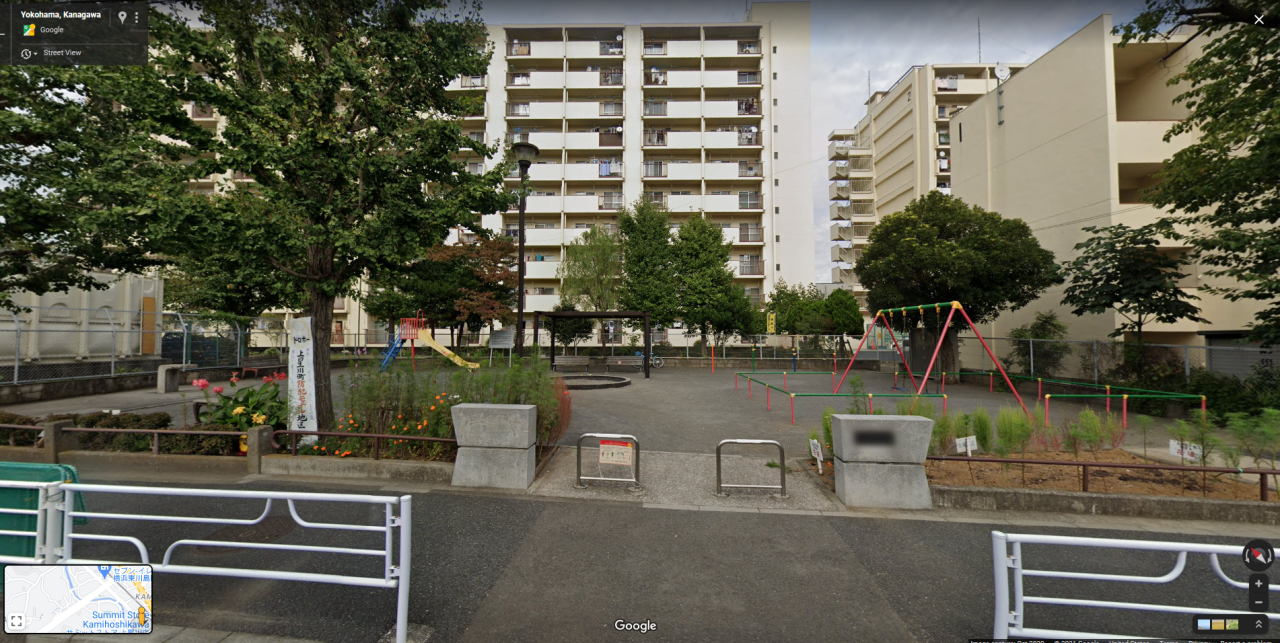
This is a bummer of a playground I found in Tokyo

femmenietzsche:

femmenietzsche:

This is a bummer of a playground I found in Tokyo

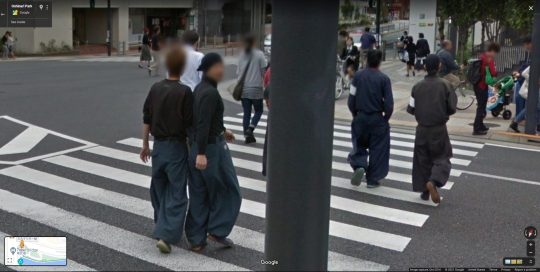
Can confirm that JNCOs reached Japan by 2016

Those are tobi trousers, derived indigenously from wide-legged construction pants

Tagged: meanwhile in japan

I wonder where the anime trope of American transfer students being super physically intimate comes from, because in my...

kata4a:

kwarrtz:

I wonder where the anime trope of American transfer students being super physically intimate comes from, because in my experience American culture is almost neurotically touch-phobic, at least outside of certain specific circumstances. If you really want an excuse for a character to have no sense of personal space make them European instead.

this doesn’t exactly answer your question, but when I was looking up “american culture” in japanese a while back I found a lot of stuff about hugging in particular

Which is funny because I identified “skinship” as a particularly Japanese concern

Tagged: THEY'RE the ones all about their nude bathing and diaper wrestling traditions meanwhile in japan

Wholesome compares to cops killing innocent people in America.

2goldensnitches:

madamebomb:

awed-frog:

lakwatsa-lazuli:

whyyoustabbedme:

Wholesome compares to cops killing innocent people in America.

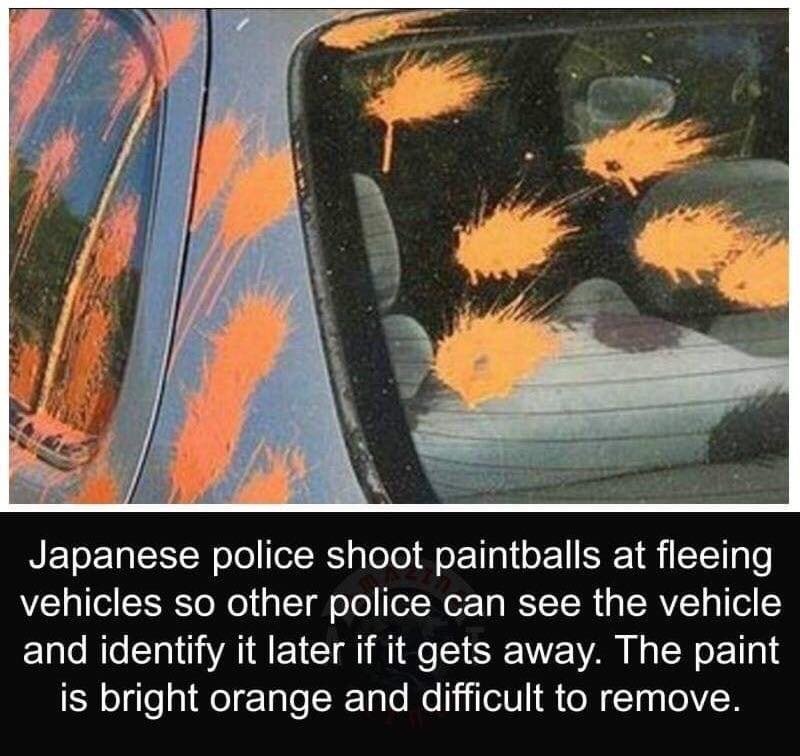
Splatoon cops

Oh and also -

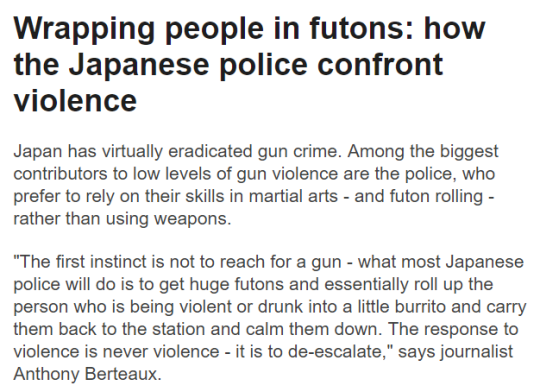
Why don’t you roll up in a futon and maybe you’ll calm down?

This is one of the dumbest takes I’ve ever seen about the police, people heard this and I see unironic comments saying “uwu japan so soft and sweet compared to barbarian usa.” Absolute nonsense!

Japan “boasts” of a whopping 99% conviction rate in criminal cases. This is statistically horseshit, and the only way to “achieve” such a feat is through a lot of lying and through the assumption that, because someone’s been arrested, then that person must be guilty.

The way Japanese law enforcement manages to convict someone, even for minor offences, is to hold them in cells under constant interrogation until they break down and sign a legal confession. The punishment can range from paying a fine to jail time, but the thing is that indefinite detention is a clear violation of human rights. Often they do it without citing any charges. Lawyers can’t access their clients. The police do not make their methods transparent. Why do you think Ace Attorney has you playing on the side of the defense? Because prosecutors and the police often work together to ensure a conviction as quickly as possible. The simple act of being arrested often means you’re fucked. And that’s not even getting into what that means for your social image and employment prospects. Japan also has the death penalty. 

That quirky news report about Japanese crime being so nonexistent that cops don’t have anything to do? A total myth. Police make up honeypot traps over trivialities like stolent bikes to amuse themselves while they ignore cases of domestic violence, train chikan, and theft. The police turn a blind eye to organised crime and corruption (the seedy nature of pachinko parlours is an open secret)—often they have close relations with yakuza, and a lot of people say that yakuza aren’t a problem now, but what isn’t a problem about people who make money off child prostitution, loan sharking, and the drug trade?

What about the fact that you can’t film anything if the police don’t want you to? They can totally seize footage related to a detention and destroy it if it doesn’t paint them in a good light. A man was suffocated to death by an officer in front of a police box and the camerographer who filmed the incident was immediately told to turn the footage in to the police. 

What about that Nissan exec who was jailed? Sure, no sympathy for corporate types, that’s fine, but isn’t it convenient that pretty much the only high profile arrest was of the Brazilian born French-Lebanese man? Did I mention that the police are racist and xenophobic? If you’re a Nigerian tout in Roppongi the police will absolutely keep a closer eye on you than on the middle aged salaryman groping schoolgirls on the train. 

Not convinced yet? How about the fact that leftist activity and group organisation immediately puts people under scrutiny? Does anyone who called the Japanese police “wholesome” want to talk to the Zengakuren student activists who were attacked by them?

Like, it’s good that in Japan there’s a lesser chance of dying at their hands, but I’m honestly baffled that the first reaction people had when reading about them was to fawn and coo instead of getting suspicious over such positive headlines. But the reality is that cops aren’t your friends anywhere. They exist to uphold the status quo, not to really protect people—but that’d be too much of a bummer for the commenters on this thread, apparently. Taking the time to actually read about Japanese police would go against their image of Japan as this desexualised, neutered country where absolutely nothing bad ever happens. 

(Before someone wants to call me a liar, I have sources: 

https://mainichi.jp/english/articles/20180929/p2a/00m/0na/002000c

https://litci.org/en/japanese-police-harass-and-assault-zengakuren-student-activists/ 

https://www.latimes.com/archives/la-xpm-1990-07-15-mn-142-story.html

https://www.jstor.org/stable/30209411?seq=1#page_scan_tab_contents

https://www.economist.com/leaders/2015/12/05/forced-to-confess

http://www.asahi.com/ajw/articles/AJ201812230022.html

https://elibrary.law.psu.edu/cgi/viewcontent.cgi?article=1094&context=psilr

https://www.tokyoreview.net/2017/08/myth-japans-bored-police/)

Yo that’s basically true (also don’t forget the history of subduing student and leftist protests by nightstick into the 70s, and letting rightist or criminal gangs stamp out the embers since!)

But that said Japan really does have a tradition of nonlethal capture (sometimes coming from samurai-frequented, commoner-patrolled nightlife districts). The jitte and Raphael’s double-sided sai as disarming tools to catch a blade and twist; the “three tools of arresting” nonlethal polearms… to this day you’ll see police immobilizing knife attackers at a distance using forked pinning tools.

Tagged: meanwhile in japan

How Anime Is Made

How Anime Is Made

centrally-unplanned:

Hot damn does this channel rock - finally someone willing to get into the real details of the production process, tool choices, org structures, etc over just being, a bird’s eye view. I have, through other *much* less accessible sources, learned a lot of of this information over the years, but it still has tons of great info that I am picking up from its videos.

The ‘intro’ video linked here is the most big picture, looking into how the individual staff members form a production pipeline and how their roles sit together, and it inspired some big-picture thoughts about how the anime industry over time is sort of a microcosm for the wider transformation in workforce structure that has happened over the years, and all the benefits (like efficiency) and issues (like inequality) that resulted from that. 

To recap for those who don’t know: Anime productions obviously have a ton of roles, but the core of any “shot” in a show are the key frame animators and the in-betweeners. The KFA’s start off a shot by drawing just a few of the most ‘important’ frames, that show off poses, positioning, effects, etc, which they sink a lot of time into for just a few frames. These are then passed on to in-betweeners, who draw the ‘rest’ of the frames (they actually re-draw the key frame via tracing as well, ty video!) that fill the space in-between the key frames, bridging those frames together to form a continuous animated shot. They spend much less time per frame doing this, which they can do since they are just tracing/altering the key frames. 

As you can probably guess the KFA’s have the ‘good’ job and the in-betweeners have the grunt-work ‘bad’ job. And you might not be appreciating how bad it is, but from a financial standpoint it is, uh, really bad. The average industry salary for an in-betweener in Japan full time is ~$10k a year. For comparison, the minimum wage full-time in Japan is ~$17.5K. They get away with it being way, way less than minimum wage by the usual trick of structuring it as contract work, which of course means it also includes absolutely no benefits. If you want to deep dive into how terrible these roles are, you can have at it.

So why do it? As the video points out, in-betweening can be essentially a mentorship. You can learn a ton from the process of seeing amazing key frames, interpreting them, and getting feedback on corrections, production speed, etc. And it is essentially mentorship because, in the early days of animation in Japan (so 1960′s-1970′s), it was *explicitly* a mentorship. Almost every animator would start as an in-betweener, work that way for 3-5 years, then be promoted to, well okay first to 2nd key frame animator, or in-between checkers, or maybe branch out to layouts, but *eventually* to key frame animator, and so on up the chain. It was essentially an apprenticeship, and that is how all companies worked in the 1950′s! Every division director of a company started out as a salesman, or desk analyst, or something, and promotions happened internally, and based on seniority. The low wages at the bottom were *justified* by the promise of future promotion.

But economies changed, and the anime industry did too. There are a million reasons why they changed, but for talent-based industries like anime, where the quality of a worker is in fact quite easy to observe, as the demand for anime skyrocketed the idea of trapping obviously-talented animators as in-betweeners for years to “pay their dues” made no sense. They left, joined new studios or founded their own, and by the 1990′s that system was totally falling apart. In-betweeners were no longer guaranteed promotions, and for many animators it would be the only job they would have in the industry for years before quitting entirely. Technology helped accelerate this - in the early days when animation was all done by hand, the in-betweeners and key animators sat in the same room, comparing notes and building connections, and letting younger animators learn from old. Now that they are all doing their work digitally, often they just get a file dump, and don’t even talk to each other (tons of org work has gone into building consistent ways of communicating, via notation on the drawings, expectations for what the in-betweeners need to do, so no meetings or human conversation is required. Efficiency! Also, alienation!).

And of course, as communication technology improved, wages stagnated, and demand increased, globalization came to the rescue. I don’t have solid figures, but I have definitely seen estimates that put the majority of in-betweening for Japanese animation being done overseas in Korea or China, where that 10k wage can go a lot farther (the town of Wuxi, in Jiangsu province, China, actually has an “Industrial Design” park almost solely devoted to doing outsourced Japanese animation work). This outsourcing is probably a net good thing for those workers, and for anime, don’t get me wrong! But as you can imagine, approximately zero of those Chinese or Korean animators get promoted into Japanese animation studios, while Japanese native in-betweeners are left competing with Chinese wages to afford a Japanese cost-of-living. All of these trends accelerate the winner-takes-all dynamic for the industry - just like every other industry in developed countries, neat!

But of course, its not like ‘outsourcing’ is new to anime - it was just done differently back in the 60′s and 70′s. Kyoto Animation is one of the most famous anime studios, and in particular is famous for having an uncommon number of female animation directors and leads. Certainly a big part of that is due to the fact that it started out as an outsourcing house for cel-painting for studios like Pierrot composed of otherwise-unemployed housewives picking up a side job! Female artists, just like female (and minority) workers in other industries, were the actual cheap labor backbone that justified the more ‘equitable’ salaries of the official workers for companies in the Good Ol’ Days. The inequity just shifted spatially, to new demographics, but has always been there. 

Yet there is something to be said for the fact that, of that early days Kyoto Amination clearing house approach, those women were almost all married to men in the animation (or other artistic) industries, and so those wages got pooled. They worked gruelling hours for less pay, but their *household* income was notably higher, as the men would universally have higher wages. Its how working for such wages got justified after all! If you are an in-betweener in Japan today, there is no such pooling, outside of by chance - yet the wage structure remains unmoved.

I think these days the plight of the in-betweener is increasingly well known, but to understand why its so I think the way the anime industry chased the trends in other industries helps not only understand it, but also understand the solution space, or in this case the lack thereof - what industries have solved this problem after all?


Tagged: meanwhile in japan

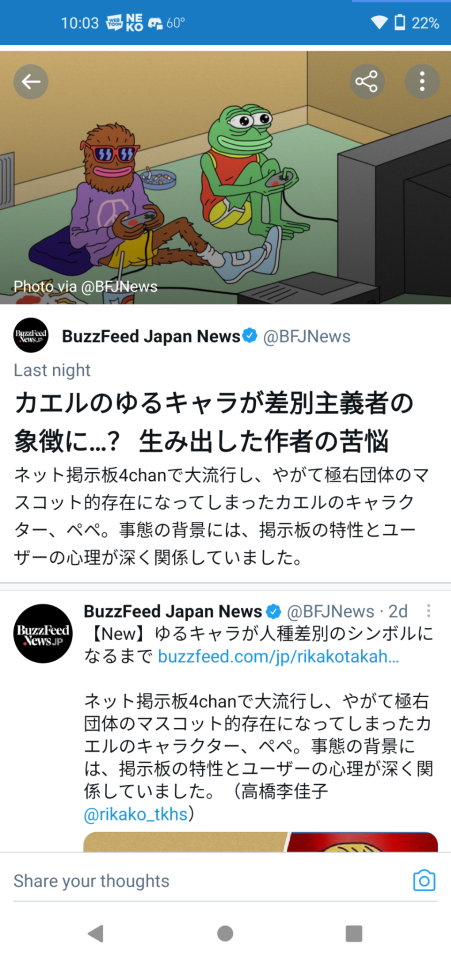
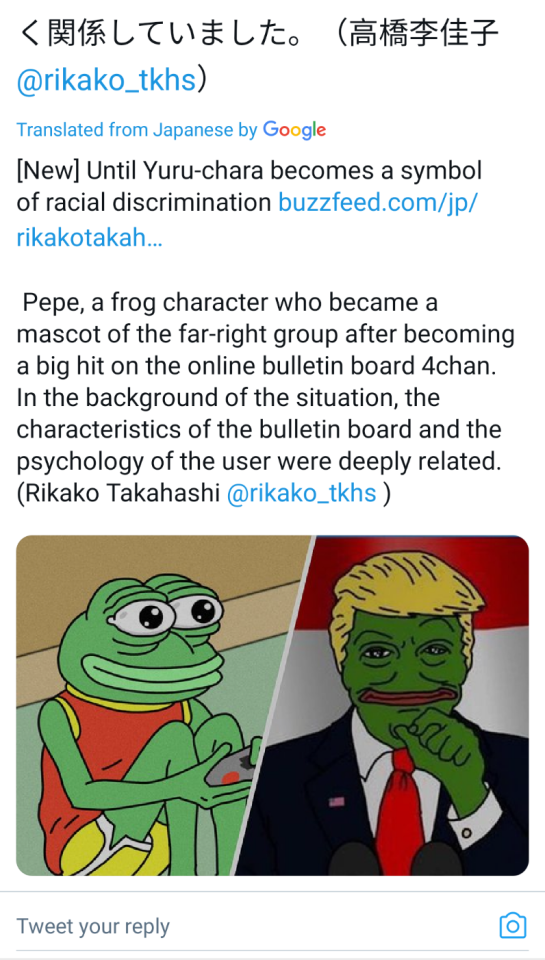
nooooo nooo noo nooooo they can't do this to us

zoobus:

zoobus:

nooooo nooo noo nooooo they can’t do this to us

You can’t make a buzzfeed article exposé about weird old internet drama for foreigners to skim and think “lol americans are fucking weird”! That’s wrong! Only we can do that!

I mean, do you really want to pick a “look how fucked up and ultrarightist their comics are!” fight, Japan?

Tagged: meanwhile in japan