shrine to the prophet of americana

#holidays (175 posts)

News Feed About Rainbow Bridge Day | Facebook

News Feed About Rainbow Bridge Day | Facebook

I saw “Rainbow Bridge” at the top of Facebook’s trending and was like ??? so clicked and WOW this is fascinating.

So if I’m getting this right, Web 1.0 online pet fandom worked up this mythology of a nonreligious anteroom afterlife where your dead pets hang out and play and wait for you, then a year ago the Cat Writers’ Association 2013 Friskies Purina Writer of the Year riffed on it to turn her cat’s deathday into a sort of Pet Day of the Dead.

And it started as a 900-member Facebook event last year, and this year it’s getting 48k impressions and in that feed there’s pretty well done-up fan graphics getting people hype for it, and there’s memes, like

and I could really, really see this catching on.

Tagged: holidays i lost a cat rainbow bridge

I don’t think having one holiday about soldiers who died in a war and another holiday about soldiers who didn’t really works, it...

I don’t think having one holiday about soldiers who died in a war and another holiday about soldiers who didn’t really works, it all blends together into one “military” theme.

The truth is Memorial Day started out as a holiday to celebrate the Civil War, while Veterans’ Day started out (as “Armstice Day”) as a holiday to celebrate WWI and then later got patched to incorporate WWII and Korea (displacing attempts to sanctify V-E, V-J, or Pearl Harbor Day).

Meanwhile Independence Day started as a celebration of the Revolutionary War, Patriot Day is I guess a celebration of the War on Terror. Armed Forces Day is a celebration of bureaucratic reorganization.

Tagged: holidays amhist 'merica

Wait… Isn’t Ed Balls day coming up? ED BALLS DAY, I HAVE TO GET READY TO CELEBRATE 

uk-trash-queen:

tomdoesntmindbeinghere:

uk-trash-queen:

Wait…

Isn’t Ed Balls day coming up?

ED BALLS DAY, I HAVE TO GET READY TO CELEBRATE 

What’s Ed Balls day?

Omg, okay explanation time. 

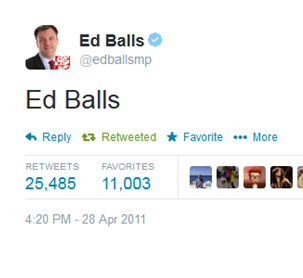
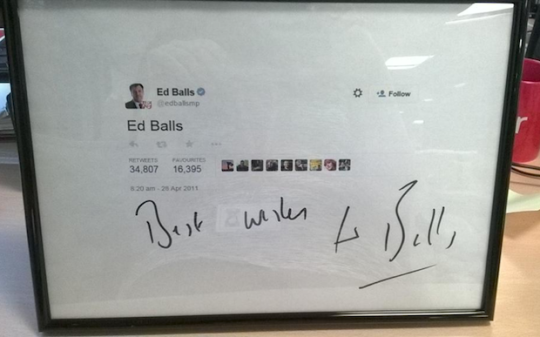
On the 28th of April, 2011, Ed Balls got a Twitter account. He decided (as most people under the spotlight do) to attempted to look up his own name. However, all he did was tweet “Ed Balls”. This, for some reason, got retweeted by THOUSANDS of people. On a global scale. And because he didn’t know you could delete a tweet it stayed. Every year since then,the 28th of April is Ed Balls day. 

This is the infamous tweet

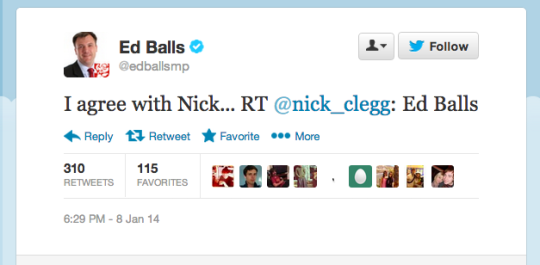
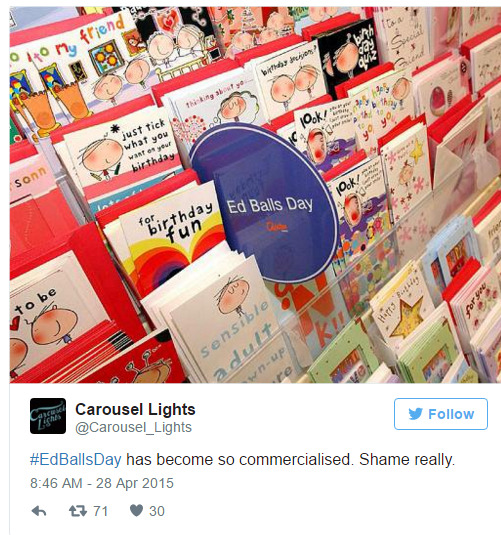
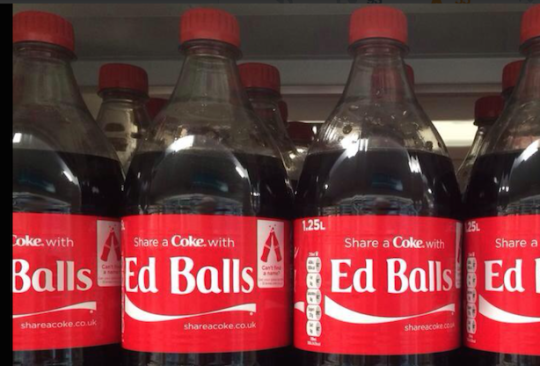
and here are some gems to celebrate that have followed the years, including last year where they framed the tweet and got him to sign it for charity

There are also LOADS MORE in this article from the Telegraph

http://www.telegraph.co.uk/news/general-election-2015/11566593/Ed-Balls-Day-fourth-anniversary-of-that-tweet.html 

Tagged: holidays

Woo, International Women's Day!

Show us your tits!

Tagged: holidays

Every year I pick up a little muffled background noise about straight couples, or schoolkid tourists at Pride...

Every year I pick up a little muffled background noise about straight couples, or schoolkid tourists at Pride (parades/parties/events) and pushback, etc. I’d been writing that off as one more interminable allyship/purity/community shitshow and didn’t feel obligated to pay attention

But is it really a concern that these newcomers have the wrong political meaning, or a concern that they don’t have any political meaning at all?

Looking at it through my “the meaning of holidays is important” lens, is the actual concern - and this is a real question to people who go to these things or run in these scenes - that “Pride” celebrations are degenerating from a gay thing to a universal sex holiday with gays as mascots as “The Sex People”, just like St. Patrick’s went from an Irish thing to a universal drinking holiday with the Irish as mascots as “The Drinking People”?

Tagged: holidays

The Purge: Noel

thejadedkiwano:

The Purge: Noel

Tagged: holidays

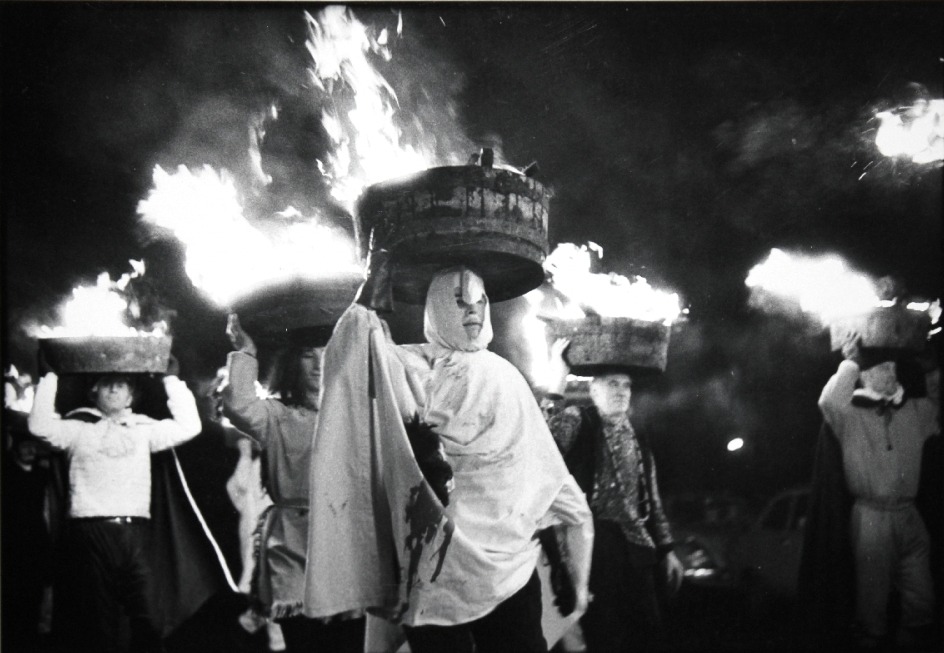
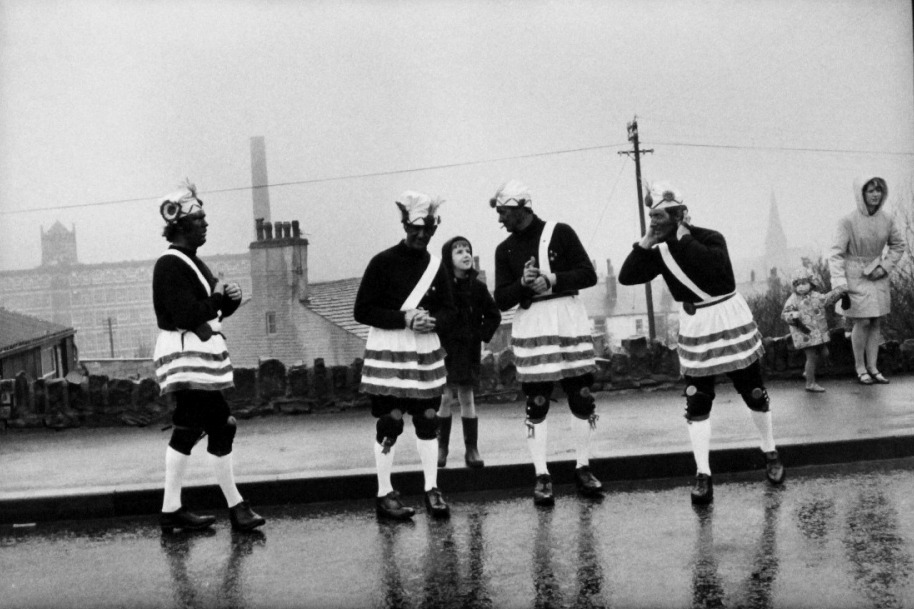
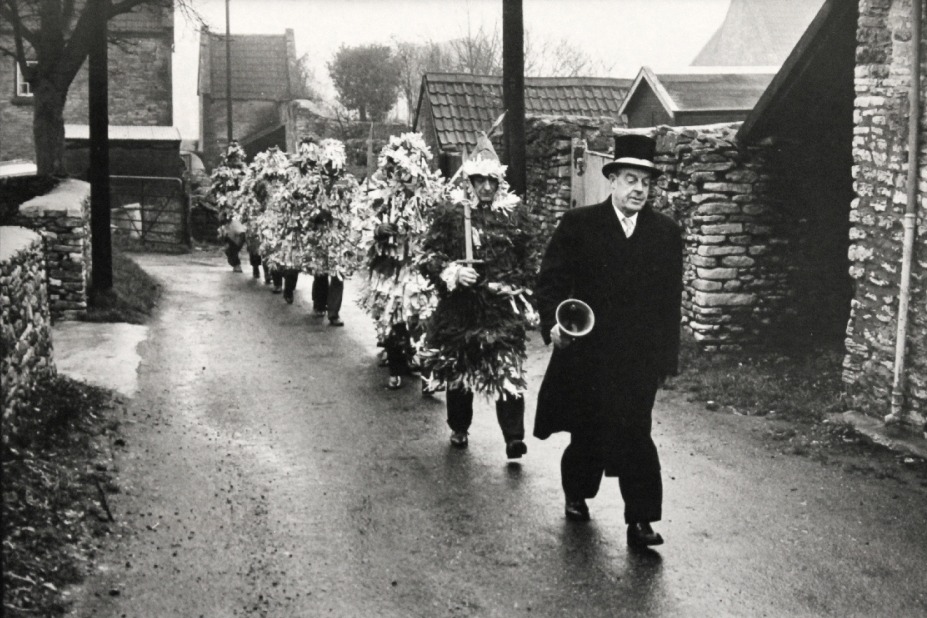
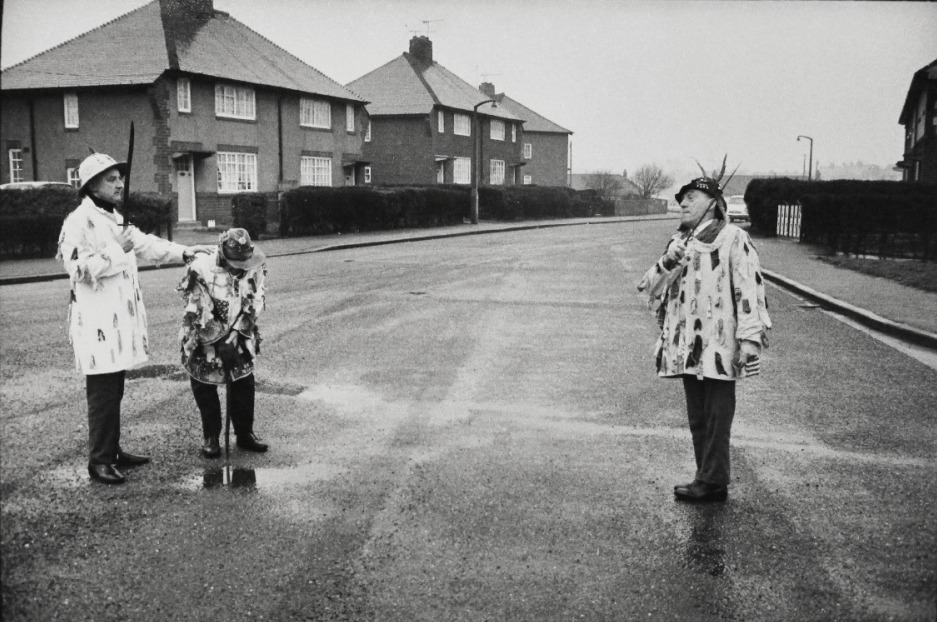
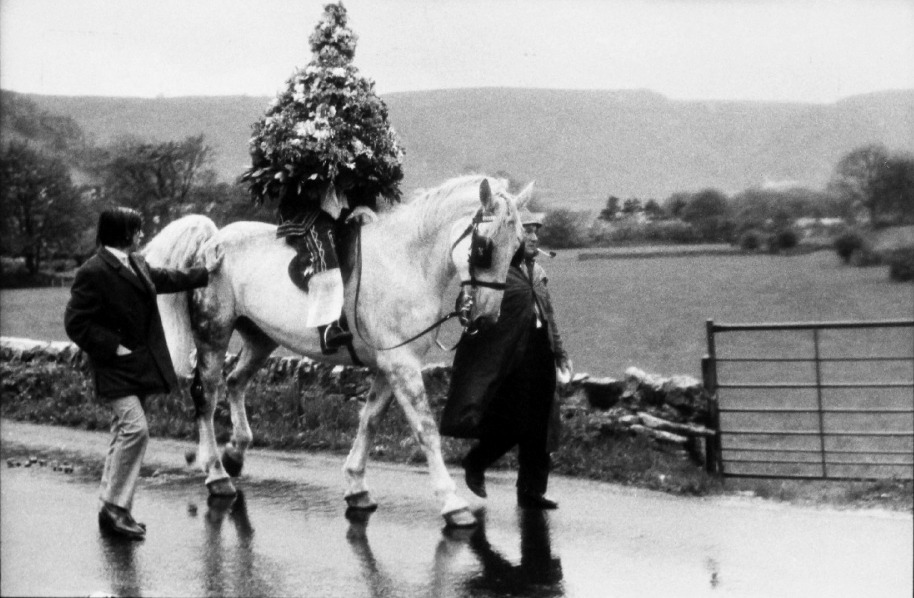
Homer Sykes - Taken from Once a Year: Some Traditional British Customs The Haxey Hood Game, Haxey, Lincolnshire, 1972 The...

c86:

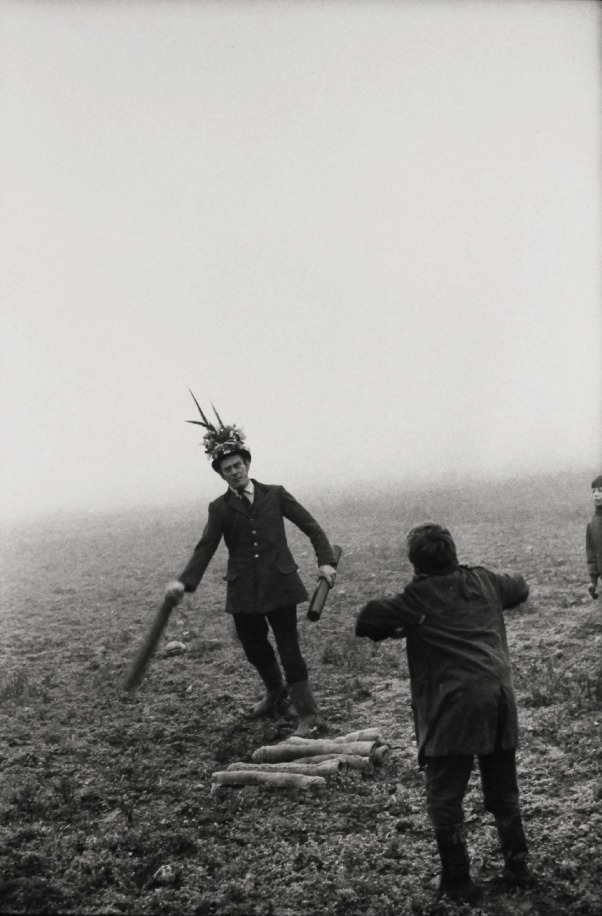
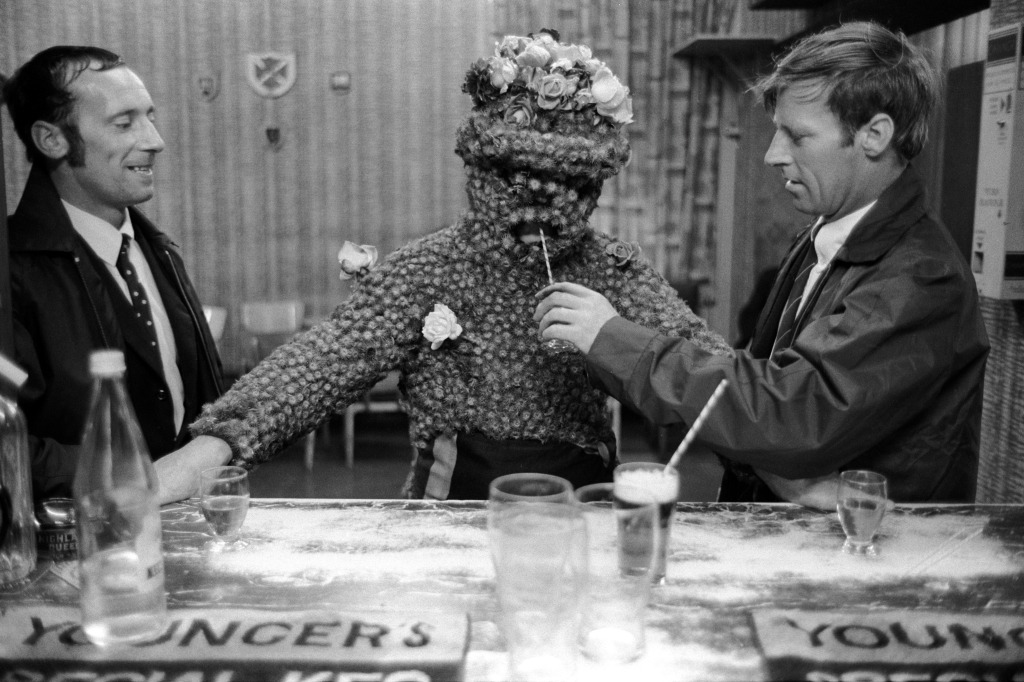
Homer Sykes - Taken from Once a Year: Some Traditional British Customs

The Haxey Hood Game, Haxey, Lincolnshire, 1972
The Burry Man taking a break from walking the towns boundaries, South Queensferry, Scotland, 1971
Allendale Tar Barrel Parade, 1972
Britannia Coconut dancers, Bacup, Lancashire, 1972
Marshfield Mummers Paperboys, Marshfield, Gloucestershire, 1972
Ripon Sword Dance Play, Boxing Day, Ripon, Yorkshire, 1972
The King on Horse Back. Garland Day, Castleton Derbyshire, 1972
Minehead Hobby Horse, Minehead Somerset, 1972

Tagged: holidays

Never Forget #neverforget #911 #newyork

pablostanley:

Never Forget #neverforget #911 #newyork

Happy Patriot Day!

Tagged: patriot day holidays

Happy Labor Day

Happy Labor Day

kontextmaschine:


There was an autoworker, Ben Hamper, who wrote a column in the Flint (later Michigan) Voice, which was the alt-weekly Michael Moore first made his name by running. A lot of his columns got collected and repackaged in an excellent book, Rivethead that I read in college.

I read it in a class by Stuart Blumin, who was my favorite professor and de facto advisor. He was an American historian, focused on labor and class and the development of capitalism, you could tell he was heavily influenced by EP Thompson and the Communist Party Historians Group over in the UK.

He was quite open that he had expected Communism to ultimately triumph, and that he had been wrong about that, and in subtext that he had wanted it to ultimately triumph, and didn’t think he had been wrong about that.

Anyway, Rivethead. The story is that Hamper was born in 1956, a fairly clever kid growing up in Flint, Michigan, the chronological and geographic apex of American industrial unionism, where everyone’s dad worked for GM.

And he could have gone to college but he gets some girl pregnant and so he goes to work on the assembly line not even really out of obligation or Catholic guilt or whatever but because that seems as good a life course as any, it’s what every man he’s known does, under the mighty UAW the pay’s on par with the kind of “educated” jobs you could get anyway, why not.

And so he goes to work on the line and eventually he ends up writing a column about it, and he talks about the color of the factory culture, playing soccer with rivets for balls and cardboard boxes for goals, drinking mickeys of malt liquor in your car on lunch break, the absurd fursuited mascot “Howie Makem, The Quality Cat” that GM would feature at rallies and shop-floor tours, being laid off in economic downturns and put into the “job bank” where you get paid waiting to be rehired in the next upswing, developing a perfect rhythm with your partner, training into a rhythm so perfect you can each trade off doing the two-person job yourself for 4 hours while the other one goes out to a bar on the clock, the dignity and solidarity of the American worker.

And time goes on and eventually his marriage fails but he takes it in stride, and his column gets recognized and he takes pride in that and then eventually he has an epiphany, and a complete breakdown, which are basically the same thing. And the inciting incident is when an older line worker, some guy he’d looked up to as a model of quiet, philosophical stolidity, just shits himself and is barely coherent enough to even notice this and he realizes the guy hadn’t been a Zen master, he’d just been checked-out mindless drunk on the line every day.

And he realizes that the rivethead life is destroying him, that the only thing holding it together was a budding alcoholism, and that it’s doing the same to all his co-workers, and looks back and realizes it had done the same to every grown-up man he knew, his father and uncles that growing up he had looked up to as models of masculine strength and fortitude really had just had their spark snuffed out and the life beaten out of them long before, and whatever pride they took in the cars out on the road was a defensive attempt to locate in an external form the sense of self-value that had been exterminated within them.

When Marx talked about “alienation”, well.

And he went crazy, and couldn’t bear to work on the line anymore, and there’s no redemption, that’s where the book ends.

And that was a theme that cropped up again in Professor Blumin’s class, that there were two great working class traditions that echoed through the ages, and they were

1) avoiding work
and
2) drinking

Back in the premechanized age of small-group workshop manufacturing, workers would celebrate “Saint Monday”, which was to say just not showing up for work, hung over after the weekend.

(This was riffing off of Catholic feast days, or holy days, from which we take the word “holiday”, and as time went on counted an increasing share of the days of the year. There was a reason that poor workers were aligned with the Church, and nobility, in “Altar and Throne” coalitions resisting the development of industrial capitalist liberal democracy.)

In the ‘80s, the crap time of American auto manufacturing, one trick that was passed around (pre-internet, so by word of mouth largely) was to look at the codes stamped on car bodies, which would tell you what day of the week they were manufactured, and to avoid Mondays and Fridays. Because those days had the highest defect rates, because the workers tended to be drunk, or hungover, or absent.

And back in the workshop days, you’d drink at work. Apprentices would be sent out for growlers or buckets of beer, there were elaborate rules of who in the hierarchy of workers was expected to buy rounds for who and when. And there was hellacious resistance to attempts to get them to knock this off, as the industrial era kicked into swing.

Those great satanic mills, where women and children worked in shifts at great water- or steam-driven sewing and spinning machines, stories of little kids getting their hands mangled by the machinery? One of the major reasons women and children were preferred was because they would actually show up on time every day, and stay sober around all those hand-manglers.

And I mean, this maybe sounds like an argument for socialism. Though not of any actually-existing- variety, as capitalist propaganda will be glad to tell you, Soviet work culture, at least when the morale thrills of the Revolution and Great Patriotic War faded from personal to institutional memory, was all about shirking and vodka.

So those complaints about how America celebrates Labor Day instead of May Day, ignoring the true meaning of labor - solidarity - in favor of mindless distraction? Psssh. Labor Day is a celebration of the truest, most ancient, most fundamental traditions of labor: not working (especially on Mondays), and getting drunk.

Happy Labor Day!

Tagged: rerun labor day holiday holidays

Woo, National Topless Day!

Show us your… wait.

dammit.

Tagged: holidays

Woo, National Lighthouse Day, flash us your high beams!

Woo, National Lighthouse Day, flash us your high beams!

Tagged: holidays

I’m pretty sure Peanuts is the apex product of the midcentury American canon, and more specifically the Charlie Brown holiday TV...

I’m pretty sure Peanuts is the apex product of the midcentury American canon, and more specifically the Charlie Brown holiday TV specials.

Like, A Charlie Brown Christmas, 1965, the first one.

Coca-Cola commissioned a 30-minute animated film with a jazz soundtrack based off the breakthrough comic strip repackaging depressive cynicism for kids. The plot is that the protagonist is depressed and so his psychiatrist tells him to conduct religious rituals to gain a sense of purpose but no one’s even taking the rituals seriously so they don’t work and the climax is literally straight-up King James Bible verses about our savior Jesus Christ reminding them to take the Christmas rituals seriously, at which point everyone is happy.

And America was like “yes, correct, this is so correct that we want to incorporate it itself into our national-popular Christmas rituals every year”, like the Swedes and their Donald Duck thing.

In fact, how about more like that, let’s reenchant every holiday in the civic canon with this vision of Protestant reserve in the face of failure. Let’s do Halloween, let’s do Thanksgiving, let’s do Election Day, Valentine’s Day, let’s… GAINAX made a Charlie Brown holiday special in 2002? What the fuck.

Let’s do Easter, come the ‘70s let’s do Arbor Day (that one didn’t catch on)…

Tagged: holidays christmas peanuts kontextmaschine does the bible amhist

on the fourth of july, remember that american independence was a land grab

monetizeyourcat:

you hear this a lot, but what does it mean, specifically?

the pre-1776 americans who came from a sex, race, and class background that enabled them to participate in the conventional history of america sought to buy into aristocracy as a system of production. they were the youngest sons of minor aristocrats, the children of men with rank and no land, successful but socially limited military officers. there were people other than white men in america, but our history is not defined by them, they were not in power, they struggled to survive and their voices are faint and hard to hear. even the reality of working-class life in america among white men is largely silent; children read thomas paine’s agitation for the bourgeois revolution in america but nothing about his labor agitation in the us and england, nothing about his work as a corsetmaker or his parallel struggles to break into the bourgeoisie personally and defend workers as a class. we learn about the composition of washington’s teeth.

more people know washington had teeth extracted from slaves than know he was rich, and had an obvious and immediate material interest in the revolution as a wealthy planter.

george washington was arguably the richest man in america. not in money, although there is that. he was rich in land; he was a successful surveyor, planter, and politician. “politician” makes sense to us, and while it meant different things in the 18th century (and certainly he would have rejected any attempt to identify him that way) it’s something we can comprehend pretty well.

the planter class were slaveowners. this was a universal fact of revolutionary america; there was nowhere near enough ‘free’ labor in america to maintain their massive, highly inefficient cash crop farms. expanding the population of slaves in america was a major priority to intensify production.

before the cotton gin made cultivars of cotton that grew outside of fertile bottomland economically viable under even plantation slavery by reducing the titanic amount of labor necessary to make their bolls usable for fiber, the major cash crop of america was tobacco.

in america, because of peculiarly american mythology, we tend to believe that in the late 1700s and most of the 1800s people didn’t understand crop rotation or soil nitrogen. even in the context of european agriculture this is incorrect. soil nutrition was an incomplete science, and the primary fertilizer in the west was not an efficient nitrogen source but bone meal, yet american planters understood the basics of crop rotation and fertilization. they simply refused to use them because they would have driven up costs.

the rudiments of the agricultural revolution were things that wealthy american planters chose to forget. this is why america is larger than europe and has only been a food exporter in living memory - not because it is infertile, but because its economy was one of indifference to fertility, and this set down powerful cultural roots and industrial norms. the dust bowl was a product of this history as much as anything.

in slavery times, wealthy american planters planted a crop of tobacco on every surface available to them on good land - and they could tell if land was good for tobacco by means of both common knowledge about agriculture and surveyors’ trade secrets. a good way to tell in virginia was to count the pines.

they continued to plant tobacco season after season, crop after crop. the land was never given rest, never allowed to lay fallow. no land capable of raising tobacco was used for anything else; food and feed crops that would have partially restored soil were grown on bad, rocky, marginal soil.

in a few years, the best land used this way would become utterly infertile, and would be allowed to revert to barrens. the semi-indigent white smallholders of the antebellum south filled this vacuum, and in struggling to make do with an agricultural technology adapted for intensive, land-destructive agriculture, degraded soil still further.

the planters who had used up land then acquired more. land was cheap; formally it was necessary under english law to acquire title from natives, the english system of transfer of title was not a native institution and was easy to use to steal land. the american mythology includes a story about settlers buying manhattan for $50, and a riposte that this represented an easement and not a permanent purchase to the native lenape. there are also stories about natives selling land they did not own. these are both applicable in some cases, inapplicable in others; the interface between white settlers and natives was unstable and heterogeneous. in most cases, white title to land under english law was only ever ambiguous at best, and the land bought in this way rapidly became incapable of supporting people outside of the deformed european style of agricultural production prevalent in america. even if the system were not rigged against natives, economic pressure would still have created a comprador class which sold out and moved north and west, and this would still have intensified political struggles among natives and between natives and white settlers.

these conflicts, and legal hassles for the british government, lead to the proclamation of 1763. we hear mostly about it forbidding squatting - white settlers moving over the mountains and claiming land without title. in the american popular imagination this is what the revolution changed.

the reality is that the main thrust of the proclamation of 1763 was that the purchase of native land in america by private agents was forbidden, and all such purchases had to be formal purchases by agents of the crown itself. to a planter class whose bloated, vampiric way of life depended on shady and frequently illicit private land deals between themselves and natives, this was a deadly threat. from the word go, it was challenged by planters - who, being sustained by the legal system in a basically predatory life, in general took pains to be literate in the formal law of england and keep copies of significant precedents in common law courts - using a forged version of the pratt-york opinion.

the pratt-york opinion held that the british east india company was within its rights to purchase land from princely states in india. it held, unambiguously, that its decision did not apply to america, and american skeptics always expressed scorn and ridicule about the idea it suggested of dealing with indian “princes” and “governments”. (after the war, john marshall made it clear that there was no homology in the eyes of anglo-american law between the formal, legitimate governments of the raj and american indian nations.) but when you think about it, the same logic was really at work: the british east india company was an agent of the crown in its own right so its expropriating land from natives was in the crown’s interest even without its formal say-so. and so in a sense were american planters agents of the crown in this capacity. if george washington, the richest man in america, was not an agent of the crown in north america, who even was?

forged versions of this opinion, which clipped off language making it unambiguous that the decision was inapplicable to america, circulated widely. they are in evidence in the personal effects of washington, jefferson, lewis and clark. whatever the crown said, the land grab would continue, be damned any border or line. more land was needed so more land would be taken.

before, during, and after the revolution, washington was a surveyor; he wrote down the characteristics of land which white people had seen but had not investigated in depth for its suitability for plantation agriculture. he took the best land of the west for himself. it was not considered unseemly or ridiculous that he would do this even while on campaign; it was a necessary part of his profession and a universal behavior of the plantation aristocracy.

the use of land in this way continued after the war, and especially after the war with tecumseh’s confederacy was won at tippecanoe; land was close to free for the first white people to survey it, and cheap as dirt for the rich planters that came after them.

this is how americans became rich. this is how american capital came to exist. this land grab logic extended into the west, and this is part of the reason oregon was settled so far in advance of the great plains - the thick, dry grasses of the modern breadbasket of the us were not suitable country for cash crops, and only at its southern margins did plantation slavery ever successfully advance.

it is sometimes treated as inevitable that this should have ended, that plantation slavery reached its zenith before the civil war and the civil war was part of its decline. but this country was literally founded by people who stole land to farm so intensively with slave labor that it was destroyed for agriculture for generations - and those people would never have imagined most of what we think of as ‘the south’ being subject to their economic system. it was not suited for tobacco or long-staple cotton. but american and european industry, whose hunger for production was insatiable, found a way.

this form of production followed exploration, opening, and exploitation of native nations distant from white settlement by a diverse class of explorers and outdoorsmen. it followed that exploration and opening more or less everywhere. when we read histories of the rest of america we encounter other, less discussed cash crops, far outside of the main area of plantation slavery: ginger, indigo. (ginger in particular was a cash crop because of british merchants’ penetration of markets in china.) the same economic logic that applied in plantation slavery applied everywhere, and while some crops were limited by the absence of free labor, enormous families and punitive economic policies against the indigent were tailored to minimizing that. the same economic idea - land is limitless and can be destroyed without consequence, and labor can be someone else’s problem - underlay everything america did. it underlaid acquisitions of millions of acres of land with no conceivable economic use to agriculturists.

it underlies, in distant echoes, the modern american system, where the acquisition and mortgaging of domestic land is one of the primary ways capital disburses to the middle-class; where intensive use of land in existing settlements under gentrification follows a predictable pattern of exploration, exploitation, expropriation, and transfer to large investors. state violence is not the end-all and be-all of this legalized theft but it is always present and always on the side of capital and its agents.

and the american innovation, the core of the american experiment, is that if you have enough money you’re as good as god’s vicar on earth. it worked for washington and it works for your landlord.

happy fourth of july, everybody!

Tagged: history amhist this is a moneycat appreciation blog 'merica holidays

woo, Inventors' Day (Hungary), show us your tits!

woo, Inventors’ Day (Hungary), show us your tits!

Tagged: holidays

I take holidays very seriously. Culture and cultus and all. The thing that most bugged me about the reign of Bush the Younger...

I take holidays very seriously. Culture and cultus and all. The thing that most bugged me about the reign of Bush the Younger was declaring September 11th as “Patriot Day”. HOW THE FUCK AM I SUPPOSED TO CELEBRATE PATRIOT DAY? Parades? Barbecues? Mattress sales?

(I threw a Jenga tournament.)

Anyway. Christmas made the transition to post-Christianity pretty well. It’s the feast of one half of the new Santa Claus/Batman dual god, one of the biggest holidays of the year, strong enough that people make up knockoffs.

(and don’t think you’re daring for pointing out that Kwanzaa is bullshit, actual black nationalists realized that by, like, Nia of 1966)

But Easter, man.

I think part of that is the secular aspects haven’t kept up with the times. Christmas gifting went from rare exotic fruits and nuts to rare consumer electronics, Easter from rare chocolate and candies to trivially ubiquitous chocolate and candies.

I mean that’s the only time you get bunny chocolate (pf, no one cares about the Easter bunny) and creme eggs (fair) but psh.

So, ideas:

• expand the egg hunt thing, make it a day for huge scavenger hunts, like the Herald Hunt. (Dave Barry is a national treasure.)

• deprecate it in favor of Good Friday. This sets up a 3-day weekend in its role as “spring festival” and reorients it around death. That’s weird for a spring festival, but it could work. In one direction, as a celebration of the time humanity managed to kill a god, in another set it up as the “Batman” feast, maybe by transposing the Crucifixion elements of Marian cultism.

Tagged: holidays holiday Easter kontextmaschine does the bible I guess sorta