shrine to the prophet of americana

#geography (151 posts)

Explain why Pennsylvania was horsewhipped and was falling part? How high Iof a chance a new state would be created out of it?

Anonymous asked: Explain why Pennsylvania was horsewhipped and was falling part? How high Iof a chance a new state would be created out of it?

(re:)

Well a lot of it was Pennsylvania is the keystone (Pennsylvania humor!) of the Rust Belt - where iron meets coal to make steel, which was the purpose of Pittsburgh and the whole SW corner of the state, plus Allentown and the Lehigh Valley in the east. Anthracite mines to feed the steel plants, the Great Lakes manufacturing complex the plants fed in turn.

There’s that, and then there’s farmland - not the best soil or access, and too hilly to improve much but hey it’s a sure thing the great eastern metropolises HAVE to grow nearby for freshness, right, right, right? (The Amish and Mennonites have actually been expanding their holdings recently tho, the land works just fine for their needs.)

Then finally there’s Philadelphia, which was there because it commanded the Delaware and thus the Delaware Water Gap past the Appalachians, which hasn’t mattered since the Erie Canal and railroads, and at this point is mostly there because Philadelphia was there. White flight, black crime, the underlying fundamentals that “five-story brick buildings in proximity to rail spurs, non-containerized docks, and dense labor-identifying neighborhoods” was no longer an appealing industrial model. At least it still had some finance and culture and tourist and professional stuff to hold onto, Camden and Trenton across the river in Jersey became - and as far as I can tell still are - absolute hellpits.

Course a big swath of the center of the state is the northern edge of Appalachia, which has always meant marginal farmland, rough coalfields, and poverty in the best of times.

And so, piece by piece, all of that fell apart in the ‘70s and early ‘80s, and it just never came back again. (The state’s federal representatives were pretty agile at propping it up with pork - rural parts of the state are famous for their constant road work and John Murtha in charge of defense appropriations did a lot, but then the end of the Cold War, the parties changed and committees were leashed in the Republican Revolution of 1994, and BRAC deliberately took the draw-down out of legislators’ hands).

Now you hear happy talk about building a new economy on services, medicine, education, research. What this means is the eastern flank of the state is becoming a bedroom community for New York down to DC (mostly providing the services of comparatively low taxes and reliably white classmates) while the rest of the population is left to age and die in place while their kids go to nursing school to change their bedpans.

If you’ve got your shit together you can become a teacher, or a cop, or an addiction counselor. If you’ve got it especially together you can become their supervisor or trainer! (If you don’t, you can become their client.)

If you live by the Marcellus Shale you can get into fracking, if you don’t mind your tapwater catching fire (ha, like you’ve got a choice).

If you live in Philly and have some connections and you’re into that thing you can get in on the great white Urban Renaissance, all the long hard work of repressing the negroes finally paying off (long before Giuliani Time there was Frank Rizzo and Ed Rendell).

If you’re the ambitious type, probably you leave.

But there’s always Penn State football.
Tagged: pennsylvania geography amhist

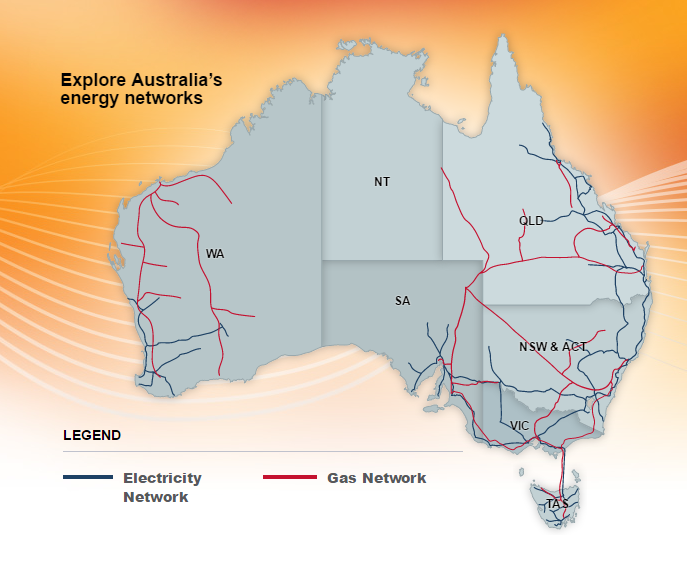
Australia’s electricity and gas networks.

mapsontheweb:

Australia’s electricity and gas networks.

Tagged: geography straya

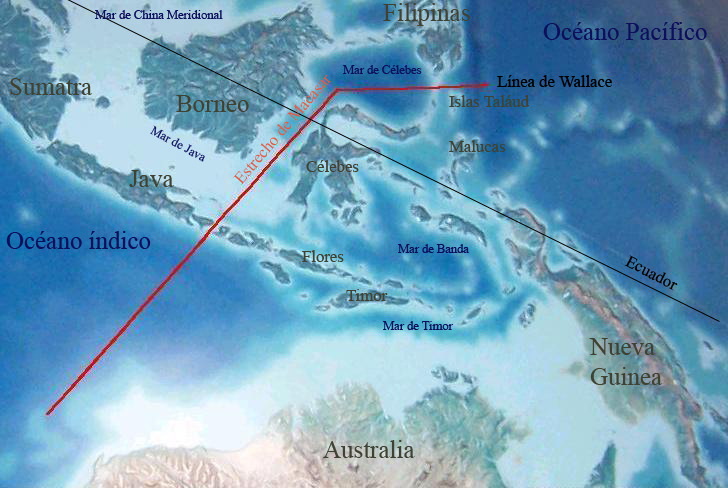
The Wallace Line, separating Australasian and Southeast Asian fauna and flora.

mapsontheweb:

The Wallace Line, separating Australasian and Southeast Asian fauna and flora.

Tagged: geography

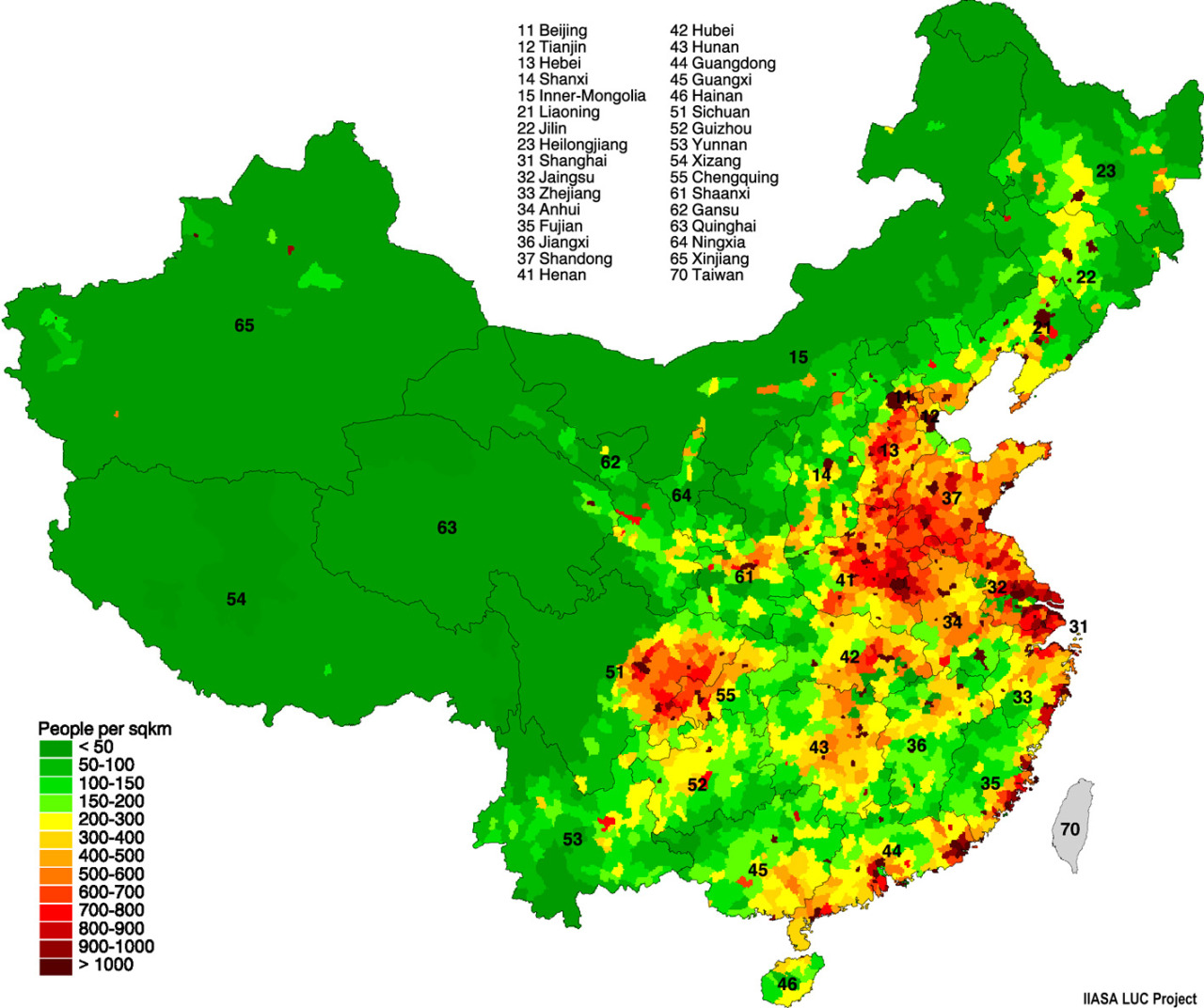
Population density map of China.

mapsontheweb:

Population density map of China.

Tagged: geography

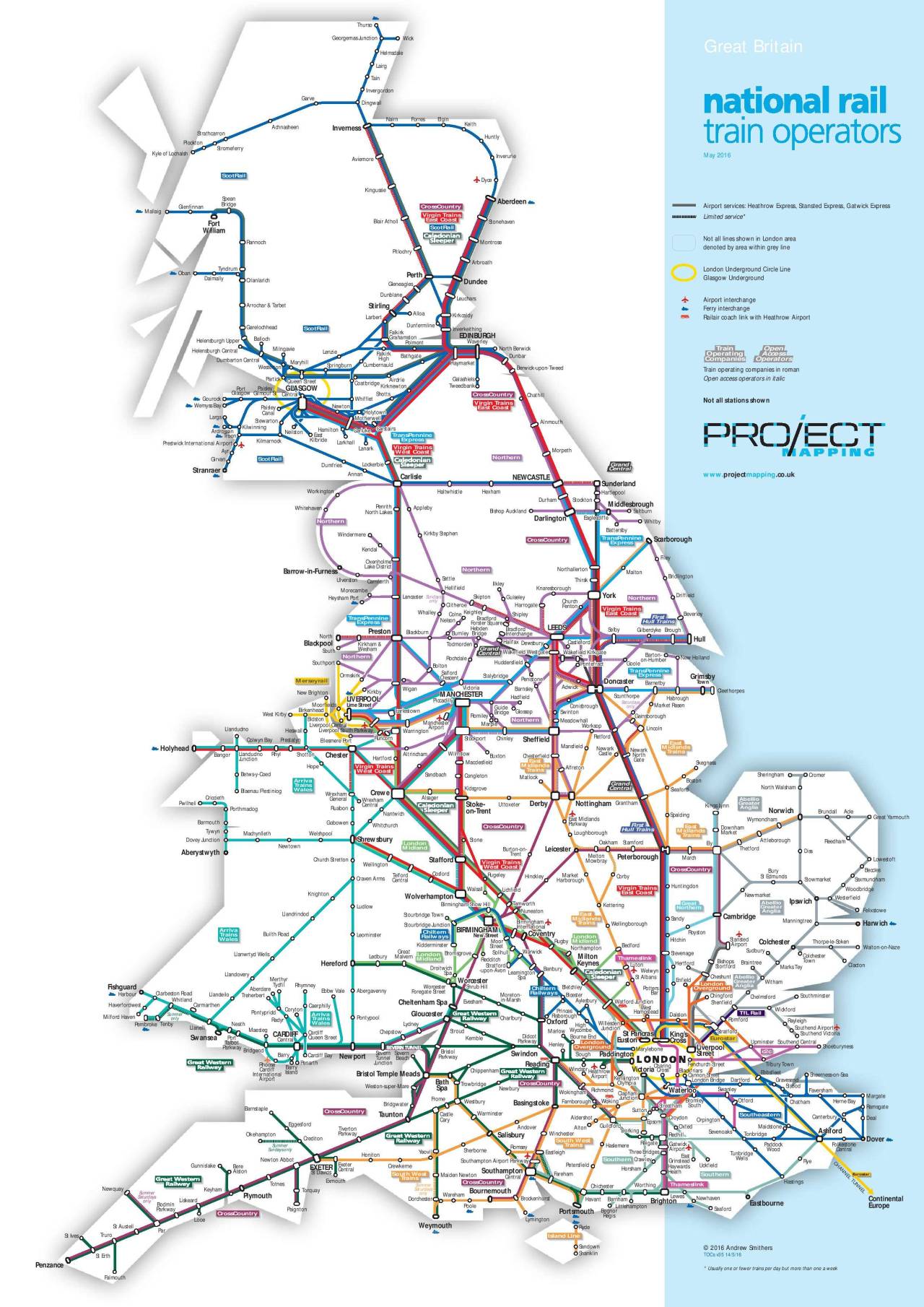
UK National Rail Network, 2016.

mapsontheweb:

UK National Rail Network, 2016.

Tagged: geography

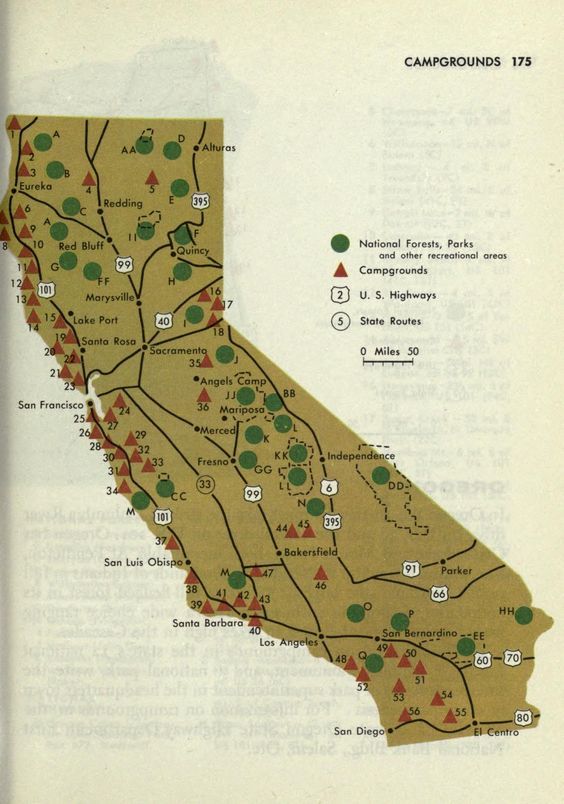
Recreation and camping areas in California. Ford treasury of station wagon living. 1957-58.

kontextmaschine:

theskybehindtheflag:

nemfrog:

Recreation and camping areas in California. Ford treasury of station wagon living. 1957-58.

It’s really weird how this map shows US 91 just sort of ending in the desert, when wikipedia documents that it went all the way down to Long Beach. This just came to my attention because as this map is constructed, there was no direct federal route between LA and Vegas, which is again like really weird 

There was a big renumbering of highway routes in California in 1964 to deal with the way that a history of road construction by multiple authorities left absurd disjunctions and redundancies between named, numbered, and natural through-routes.

oh another thing that’s worth pointing out. all those red-triangle campgrounds along the coast? the coast in that area is like a tiny sliver between the ocean and the mountains, those were areas that were owned by early land barons who raised food there when California was undeveloped and the imperial trade outpost of San Francisco had to be fed by coastal shipping or the Sacramento Delta

later on when they developed inland transportation the barons ended up giving those lands (now useless, because they’ve got terrible overland access) to the state as part of a deal to blow off a ga-huge tax bill

when I rode Blue Bitch up the PCH you’d see these campgrounds and recreation areas clustered in packs around old watering holes in areas that seemed mostly based on the tourist traffic up the coast

maintained at the request, I assume, of the lobby for people who actually live like those car ads

Tagged: amhist transportation geography

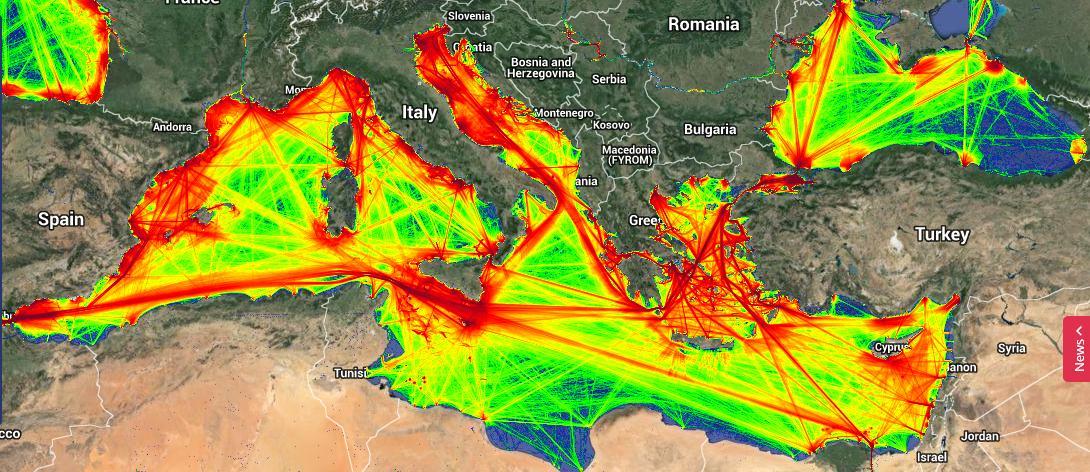
Ship traffic in Mediterranean.

mapsontheweb:

Ship traffic in Mediterranean.

Tagged: geography

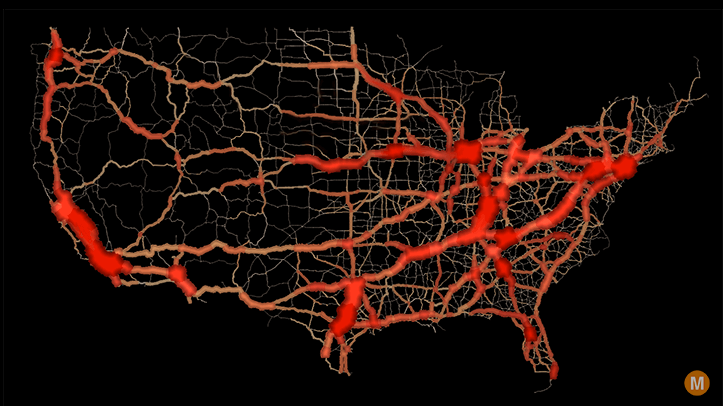
The flow of traffic through the U.S. circulatory system Click here to see traffic flows mapped in other parts of the world

metrocosmblog:

The flow of traffic through the U.S. circulatory system


Click here to see traffic flows mapped in other parts of the world

Tagged: 'merica infrastructure geography

random trivia fact

Aluminum takes a metric shit-ton of electricity to refine. This is why it developed a consumer recycling infrastructure before other materials, and also why Iceland is such a center of aluminum refining - it’s effectively a way to export their surplus of geothermal power.

Tagged: geography

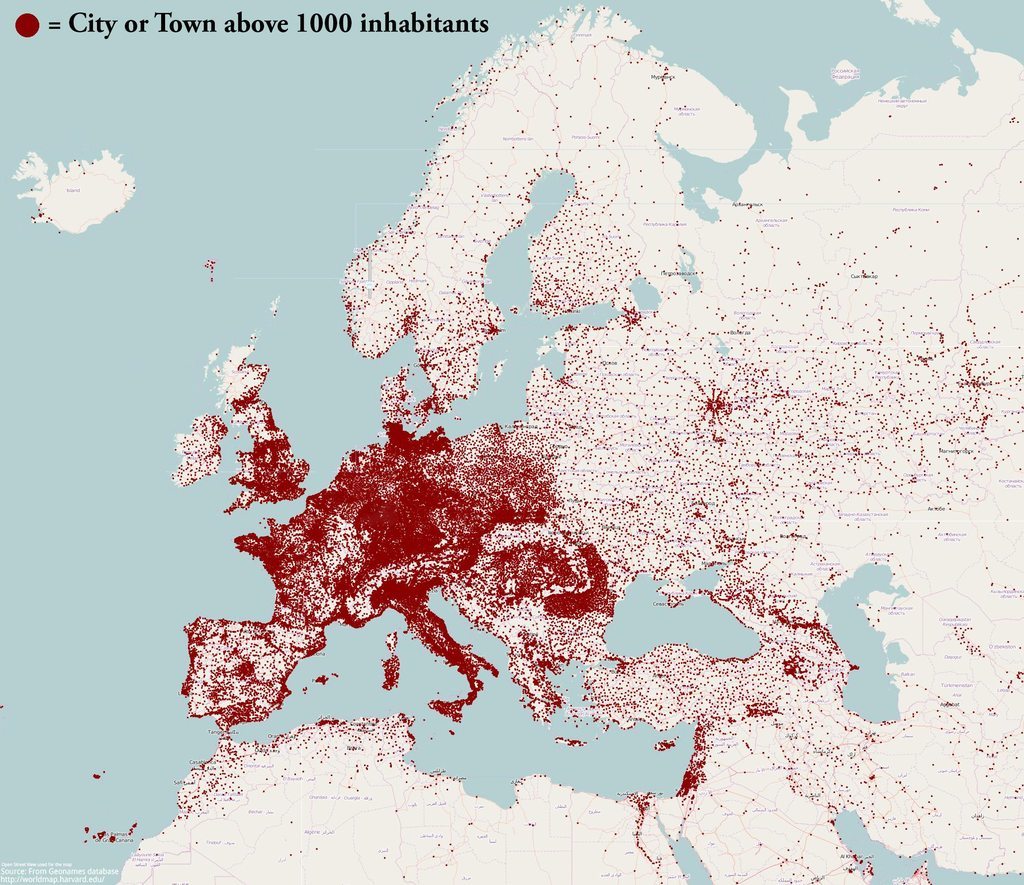
Cities and Towns in Europe over 1000 Inhabitants CLICK HERE FOR MORE MAPS! thelandofmaps.tumblr.com

thelandofmaps:

Cities and Towns in Europe over 1000 Inhabitants
CLICK HERE FOR MORE MAPS!
thelandofmaps.tumblr.com

Tagged: geography

Motoring my way very slowly around Los Santos in a submersible turns my mind to the geography of LA. LA has no natural harbor,...

Motoring my way very slowly around Los Santos in a submersible turns my mind to the geography of LA.

LA has no natural harbor, the LA/Long Beach port is protected by artificial breakwaters. The natural seaport of the region is San Diego, and indeed SD used to be the power center of SoCal. LA was founded because the seasonal LA river allowed crops to be grown for the nearby missions, and this origin in a command economy meant it didn’t initially develop the market institutions that characterize regional capitals.

What really did it is that when the southern transcontinental railroad was planned it was originally supposed to have its western terminus in San Diego, but state legislators from SF, the Gold Rush-swollen power center of California, feared this would shift power south and redirected it to LA on the premise that such a desert hellscape could never grow into a rival.

The funny thing is that from this to the streetcars (built by land developers to increase the value of their holdings in distant suburbs like Hollywood, then abandoned as unscaleable and unprofitable) to the subways (planned to alleviate gridlock between the eastside and westside, then redirected up into the valley instead because riches vs. poors) to the green line (going from nowhere in particular almost to the airport as a sop to the black neighborhoods cut down for a freeway) to the proposed high speed rail lines (connecting SF and Vegas to like an hour out of town), the development of LA has been almost entirely driven by laying rails in the obviously wrong places.

Tagged: los angeles geography history