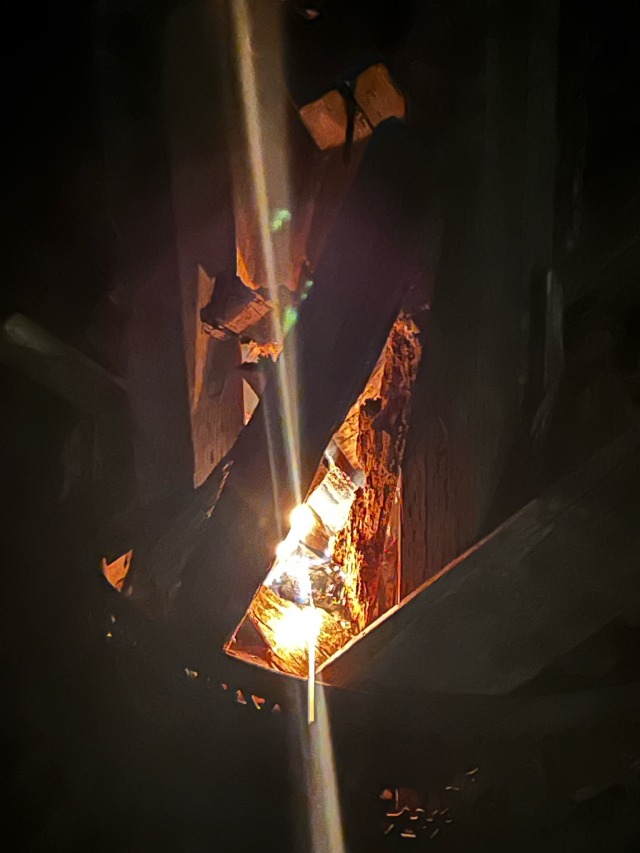
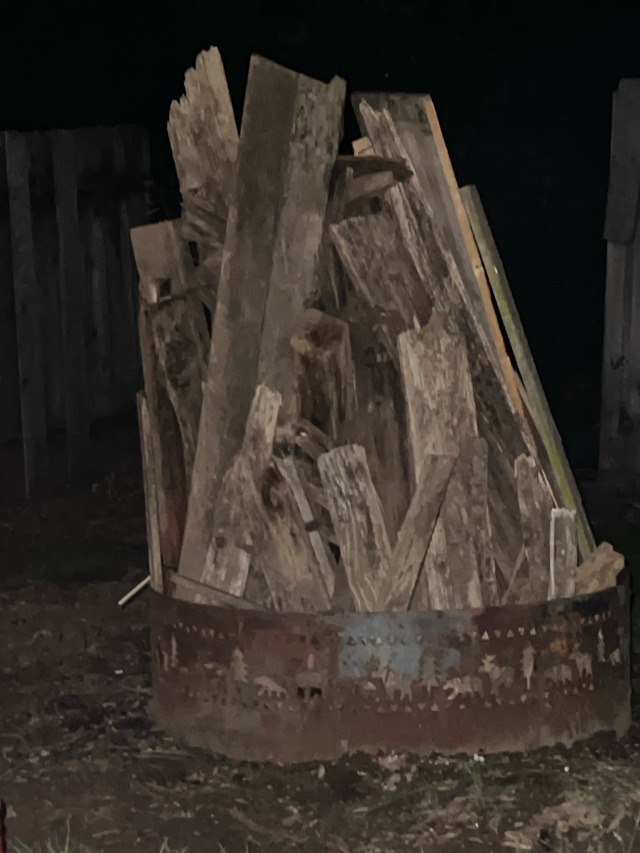
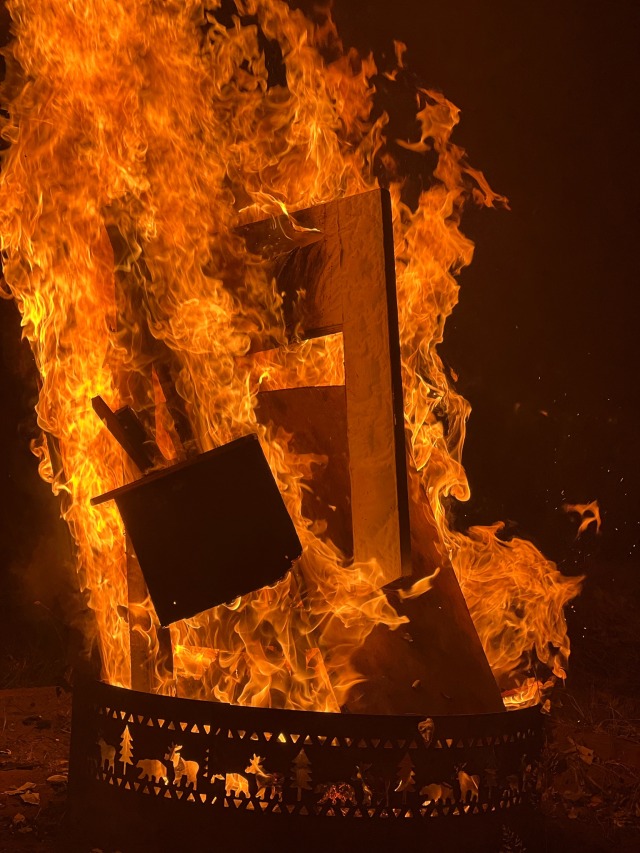
U kno what element it is (if we're talking Chinese elements, it's kinda wood too)
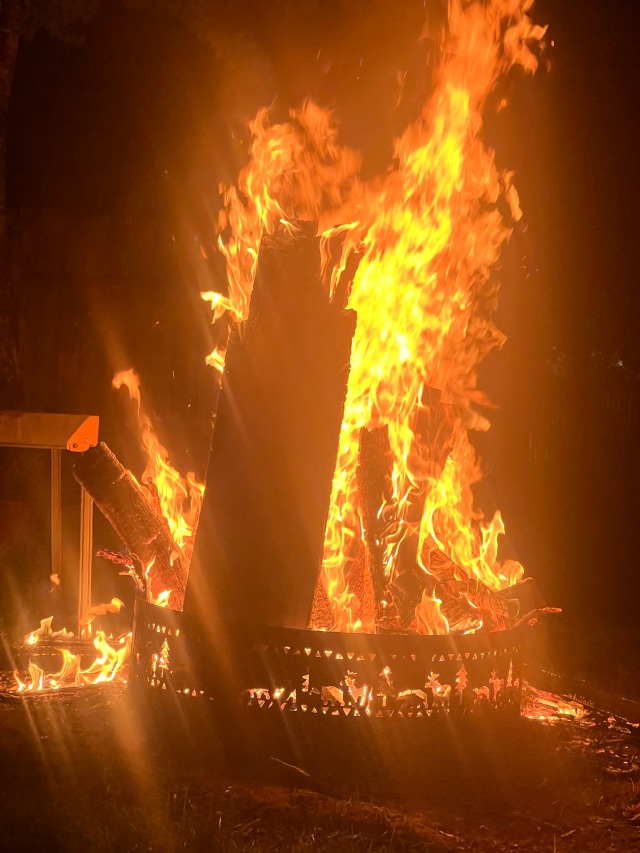
U kno what element it is
(if we’re talking Chinese elements, it’s kinda wood too)
U kno what element it is
(if we’re talking Chinese elements, it’s kinda wood too)
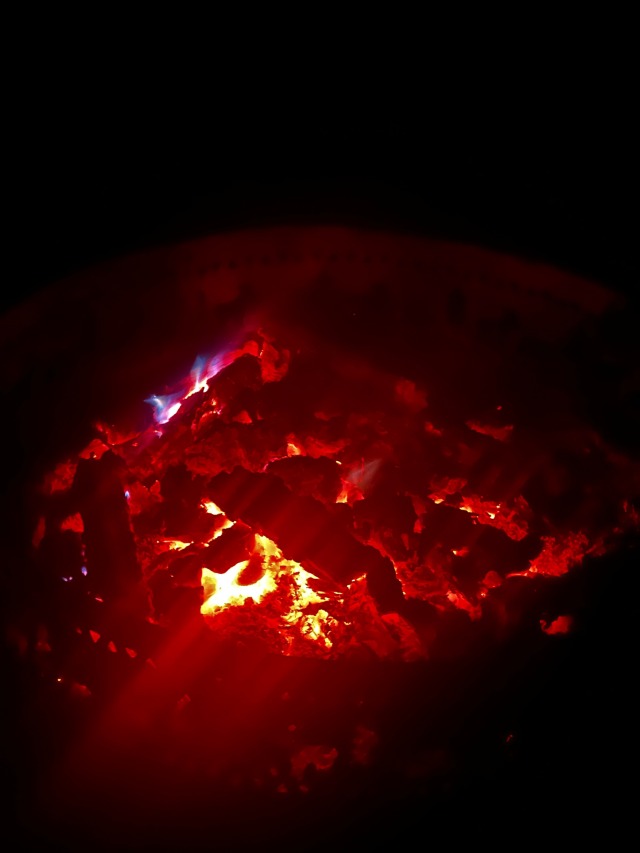
It begins
Okay, it took some coaxing, the wood hasn’t fully dried yet and you have to drive a lot of moisture out of it as white smoke before it catches, but
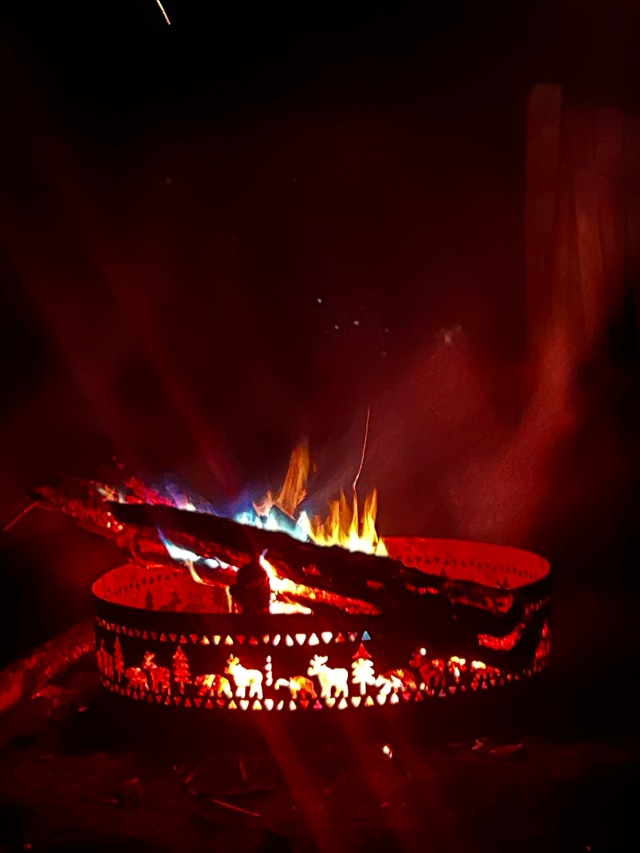
It begins
Okay, it took some coaxing, the wood hasn’t fully dried yet and you have to drive a lot of moisture out of it as white smoke before it catches, but
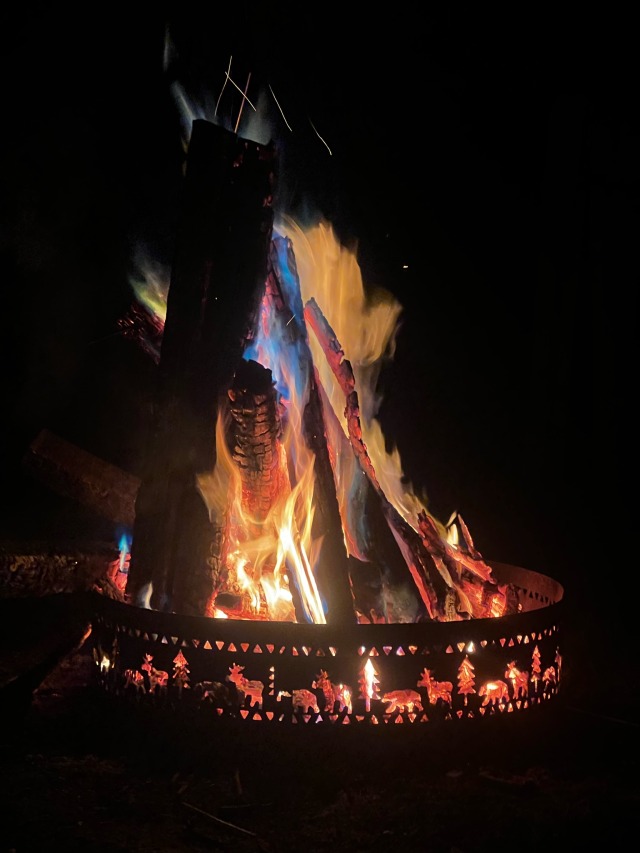
It begins
Okay, it took some coaxing, the wood hasn’t fully dried yet and you have to drive a lot of moisture out of it as white smoke before it catches, but
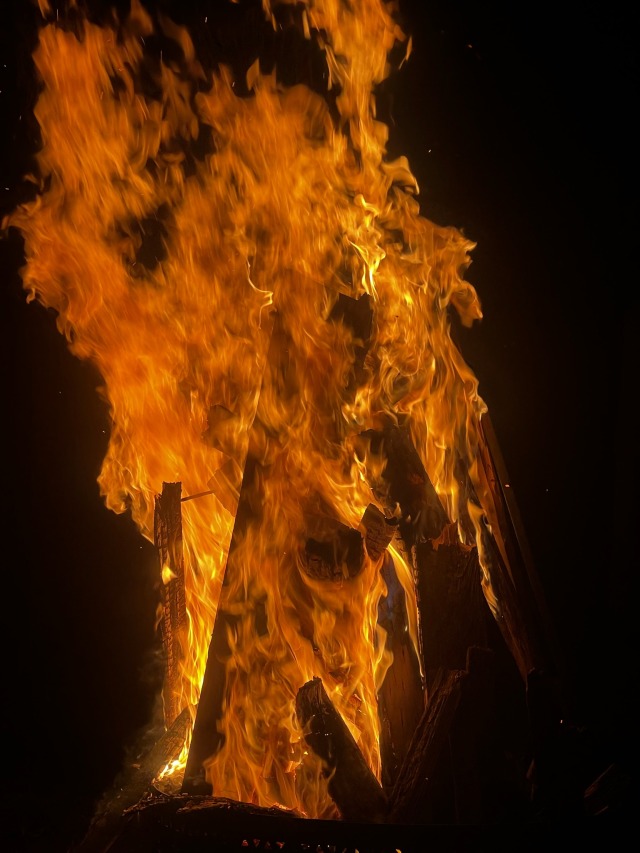
It begins
Okay, it took some coaxing, the wood hasn’t fully dried yet and you have to drive a lot of moisture out of it as white smoke before it catches, but
It begins
Okay, it took some coaxing, the wood hasn’t fully dried yet and you have to drive a lot of moisture out of it as white smoke before it catches, but
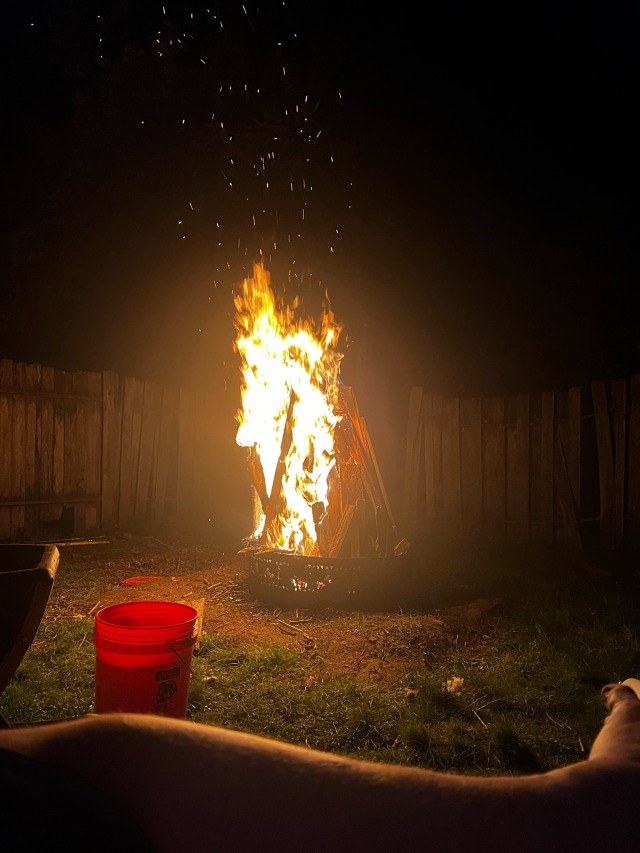
It begins
Okay, it took some coaxing, the wood hasn’t fully dried yet and you have to drive a lot of moisture out of it as white smoke before it catches, but
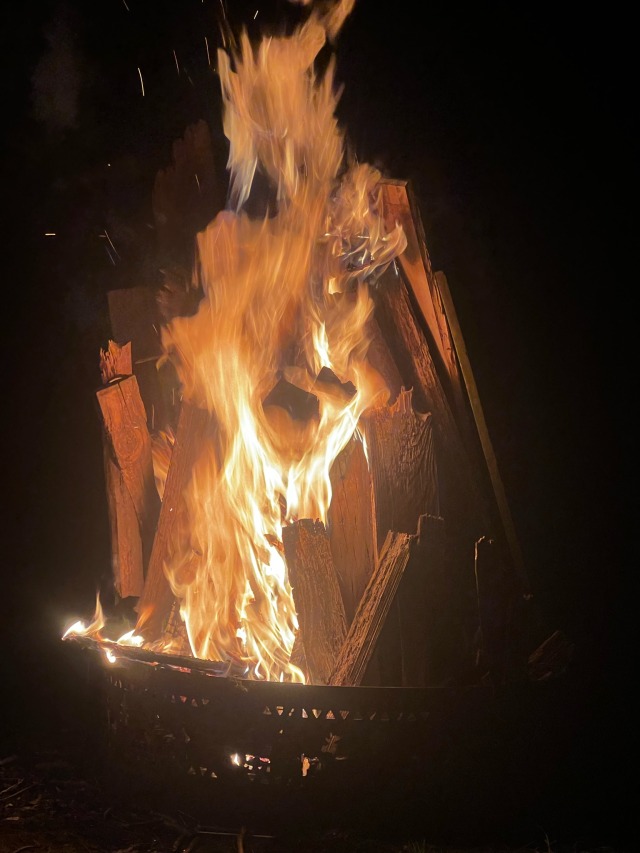
It begins
Okay, it took some coaxing, the wood hasn’t fully dried yet and you have to drive a lot of moisture out of it as white smoke before it catches, but
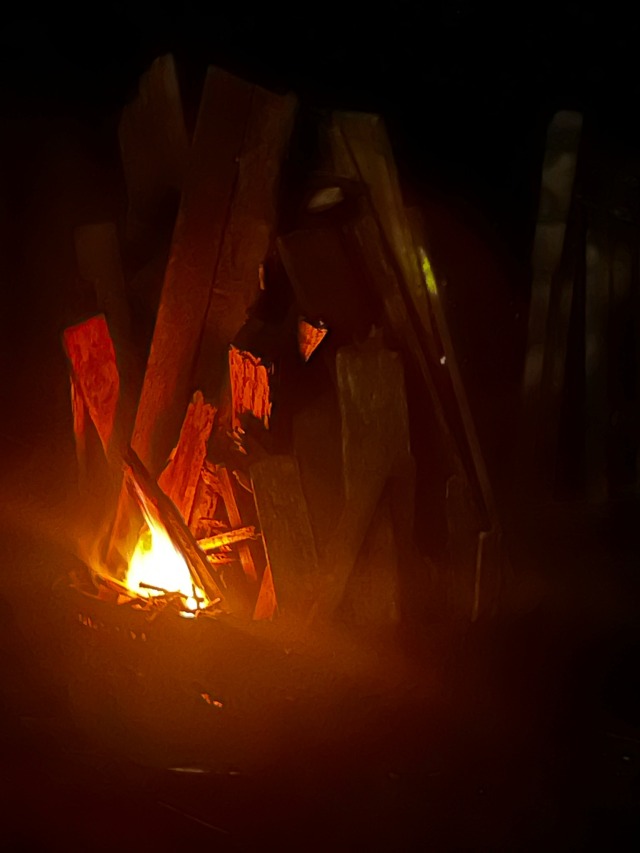
One thing to keep in mind when visualizing the past is as recently as the 1980s, consumer fabrics – which means clothes but also draperies, bedding and upholstery – were significantly more flammable than they are today, which (in addition to older and less fireproof construction), meant that fire was a much more present, immediate, and intense threat.