shrine to the prophet of americana

#amhist (618 posts)

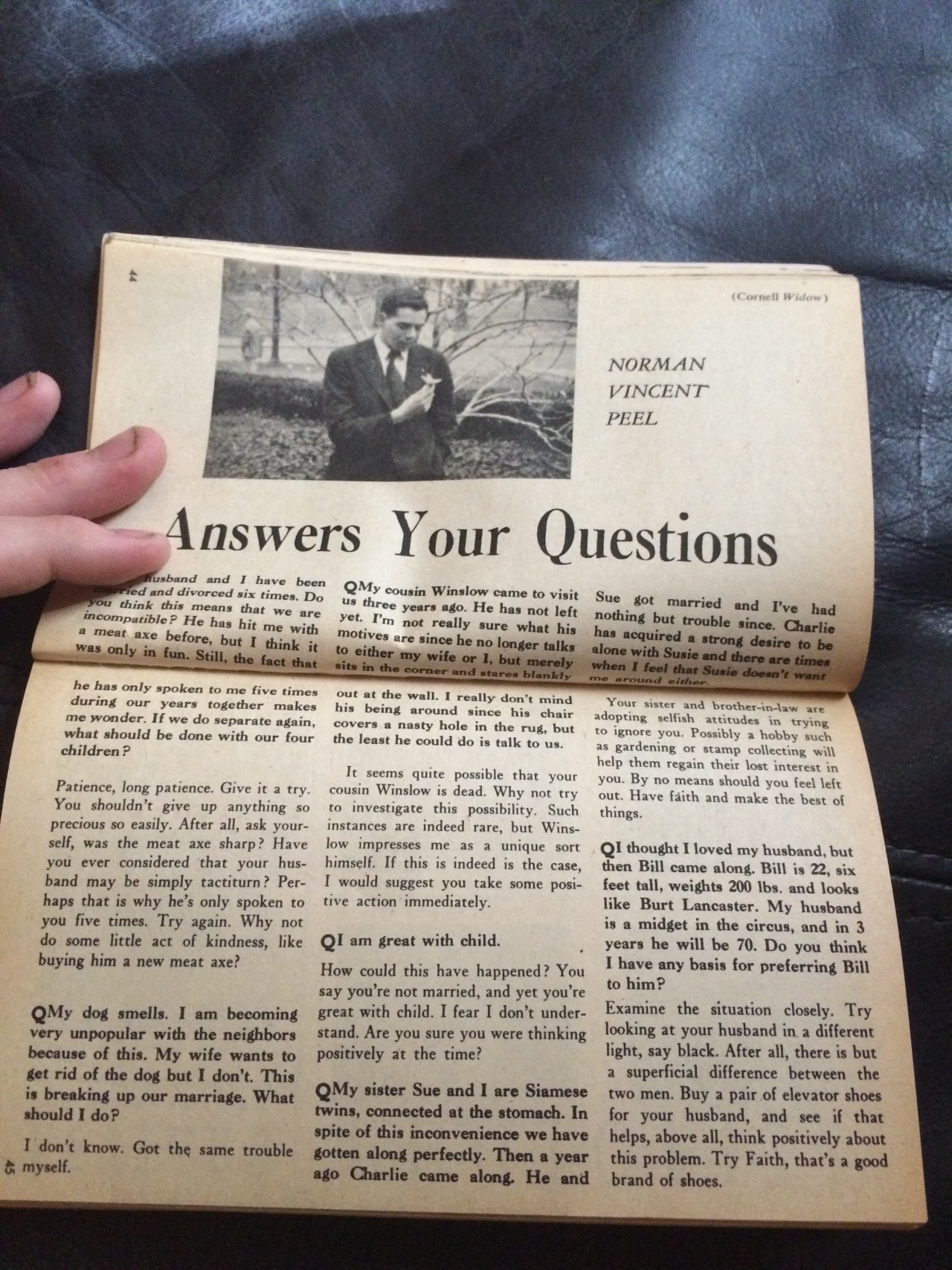
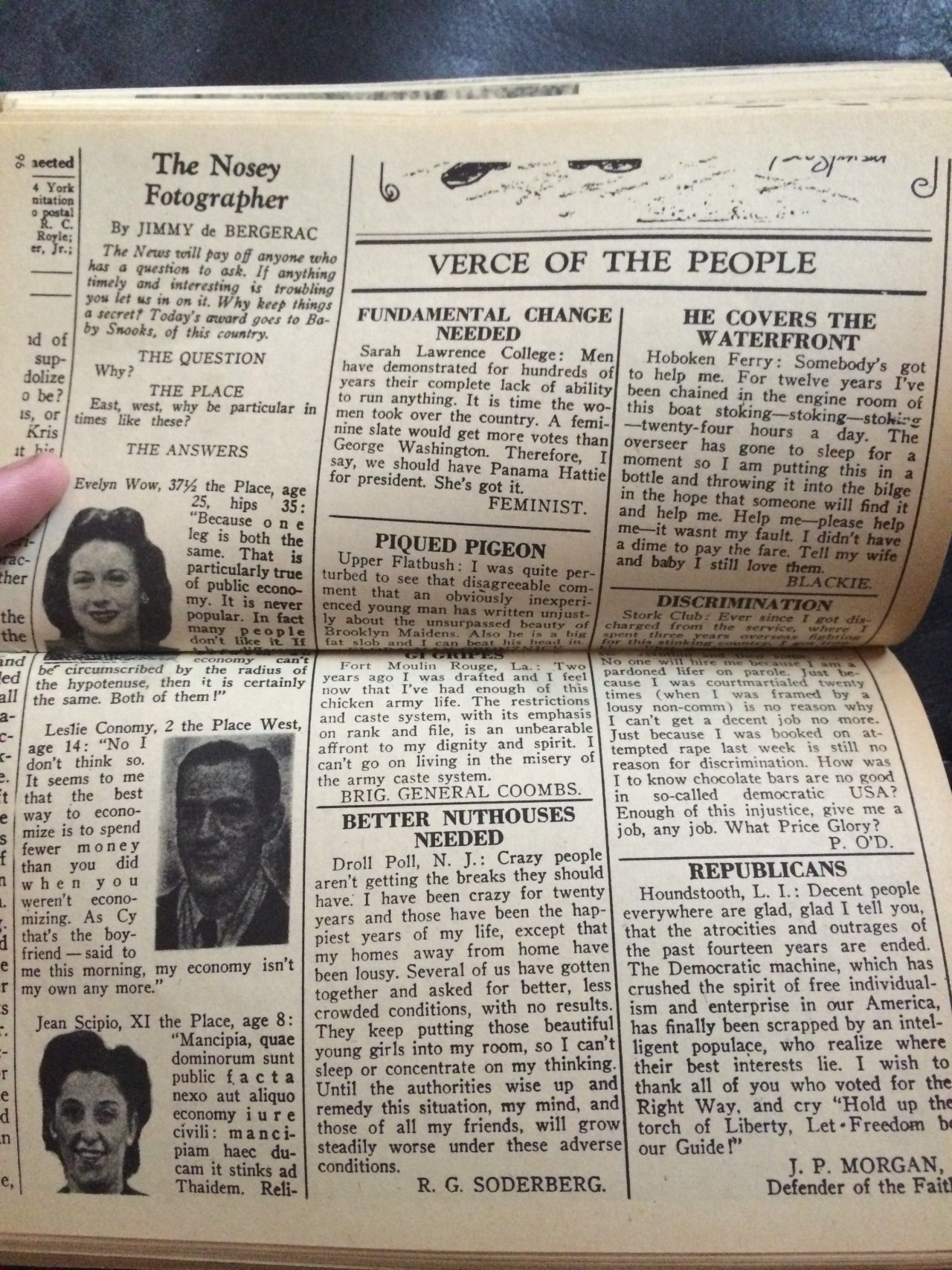
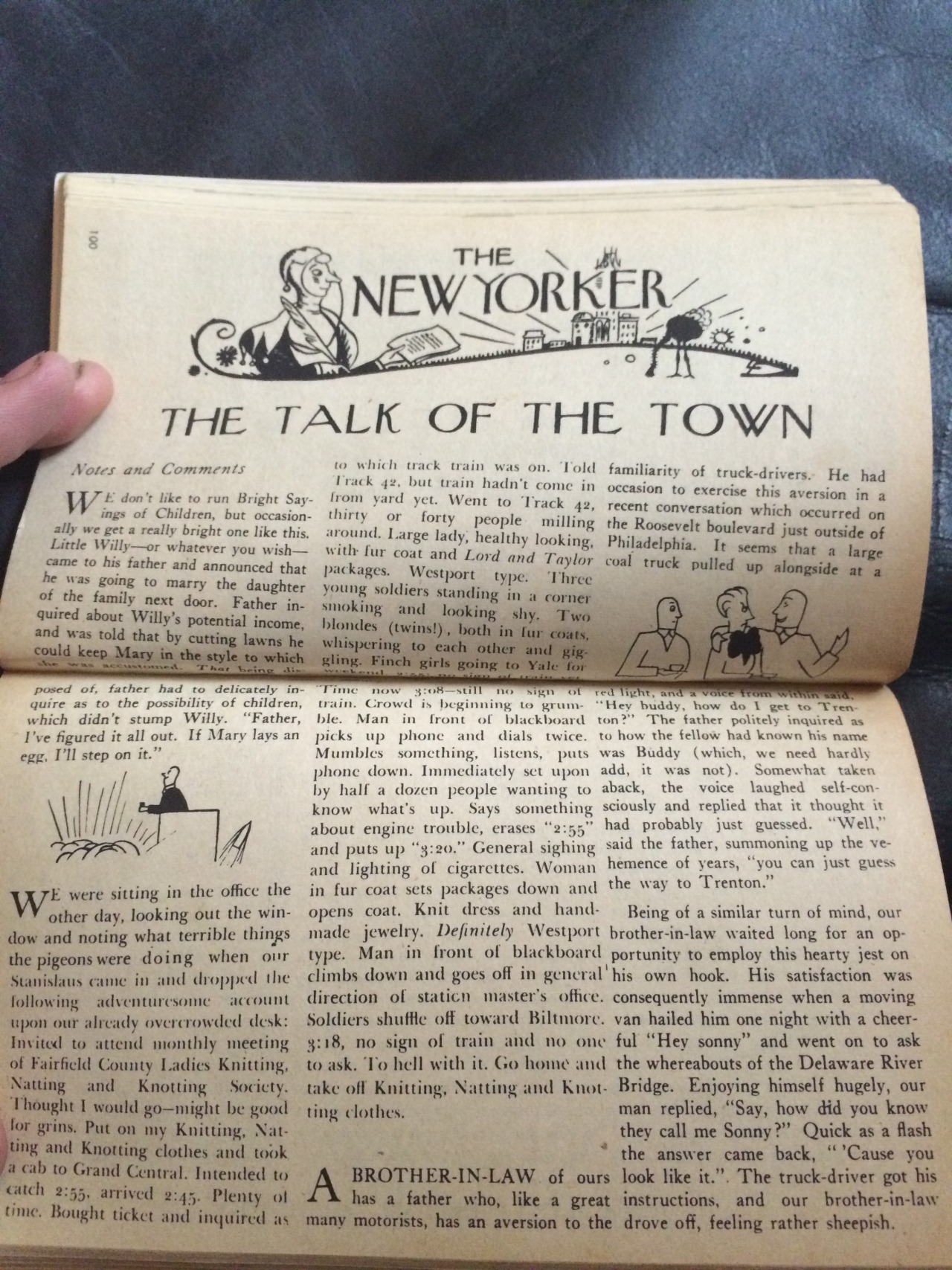
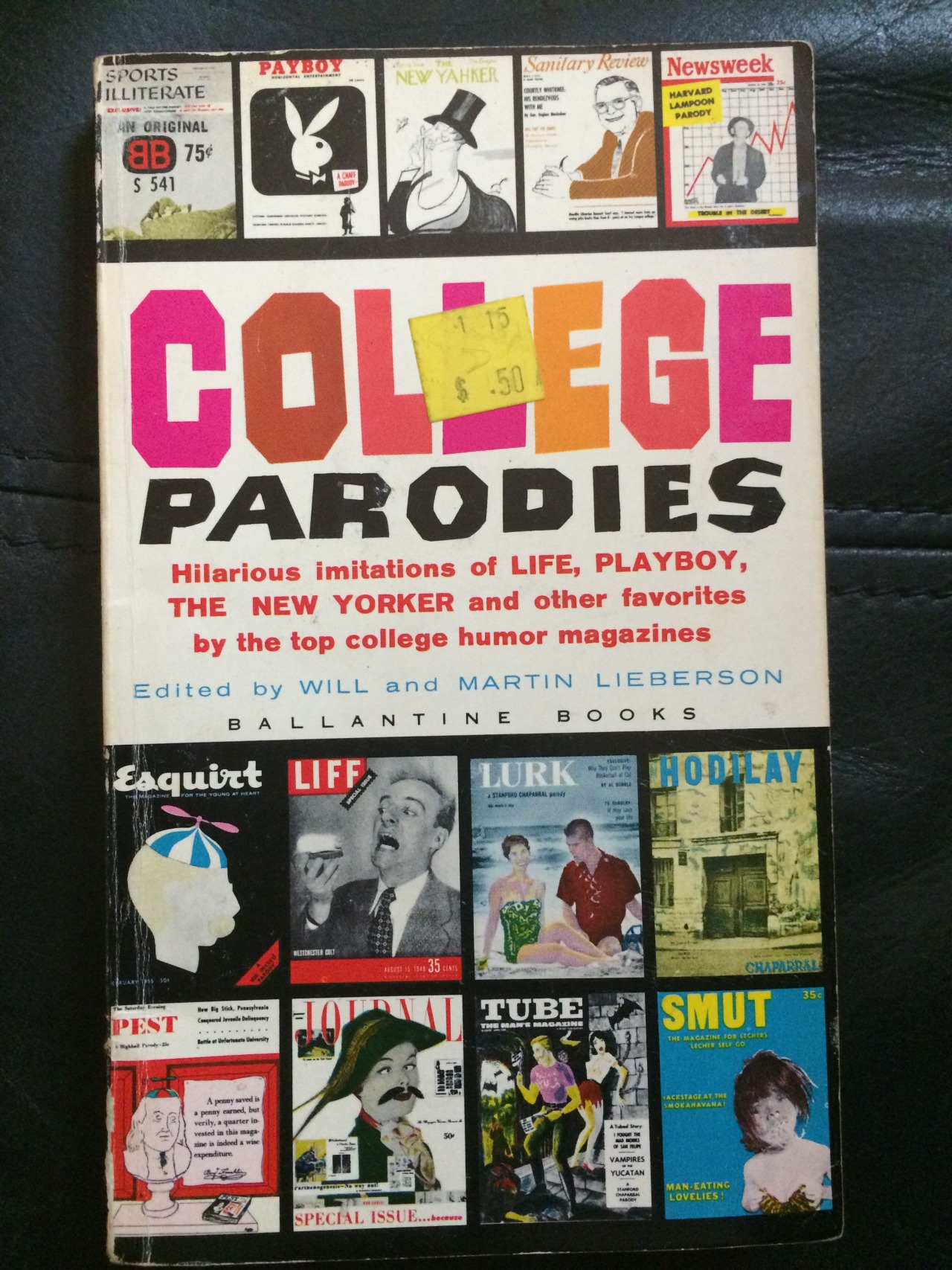
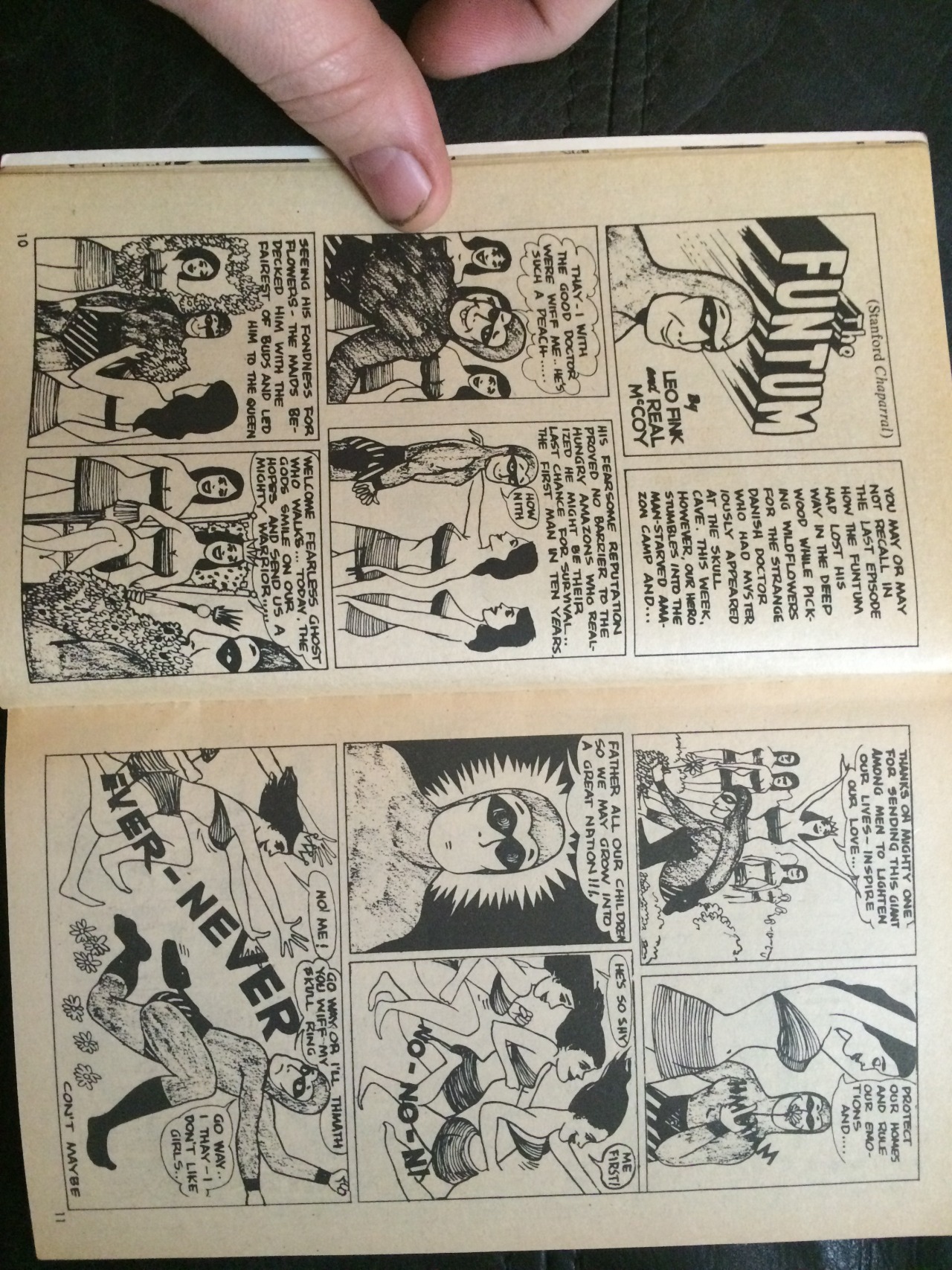
Got passed this 1961 book by a friend. Fascinating - all witty young people mocking “The Fifties” from a perspective that’s not...

Got passed this 1961 book by a friend. Fascinating - all witty young people mocking “The Fifties” from a perspective that’s not at all “The Sixties” (or post-)

Tagged: amhist norman vincent peale it's media 1961

The Unknown History of Televangelism

The Unknown History of Televangelism

Interesting essay on the role of American regulations in shaping the development of religious broadcasting. Argues for an essential link between broadcast ministries and end-times theology but doesn’t theorize it much.

Just rolling it over in my head, I can see the unidirectional one-to-many format of broadcasting being better suited to jeremiads or prophecy than, say, pastoral work. I’d still like to see numbers on the business model though.

Like, how did Jimmy Swaggart compare with his half-century predecessor Sister Aimee in terms of income sources and expenditures? (When I included the Foursquare Church with Scientology and Pentecostalism as religious innovations from Los Angeles, I’m talking not of theology but the “media spectacle” approach, and would rope in things like the Crystal Cathedral).

Tagged: amhist kontextmaschine does the bible televangelism

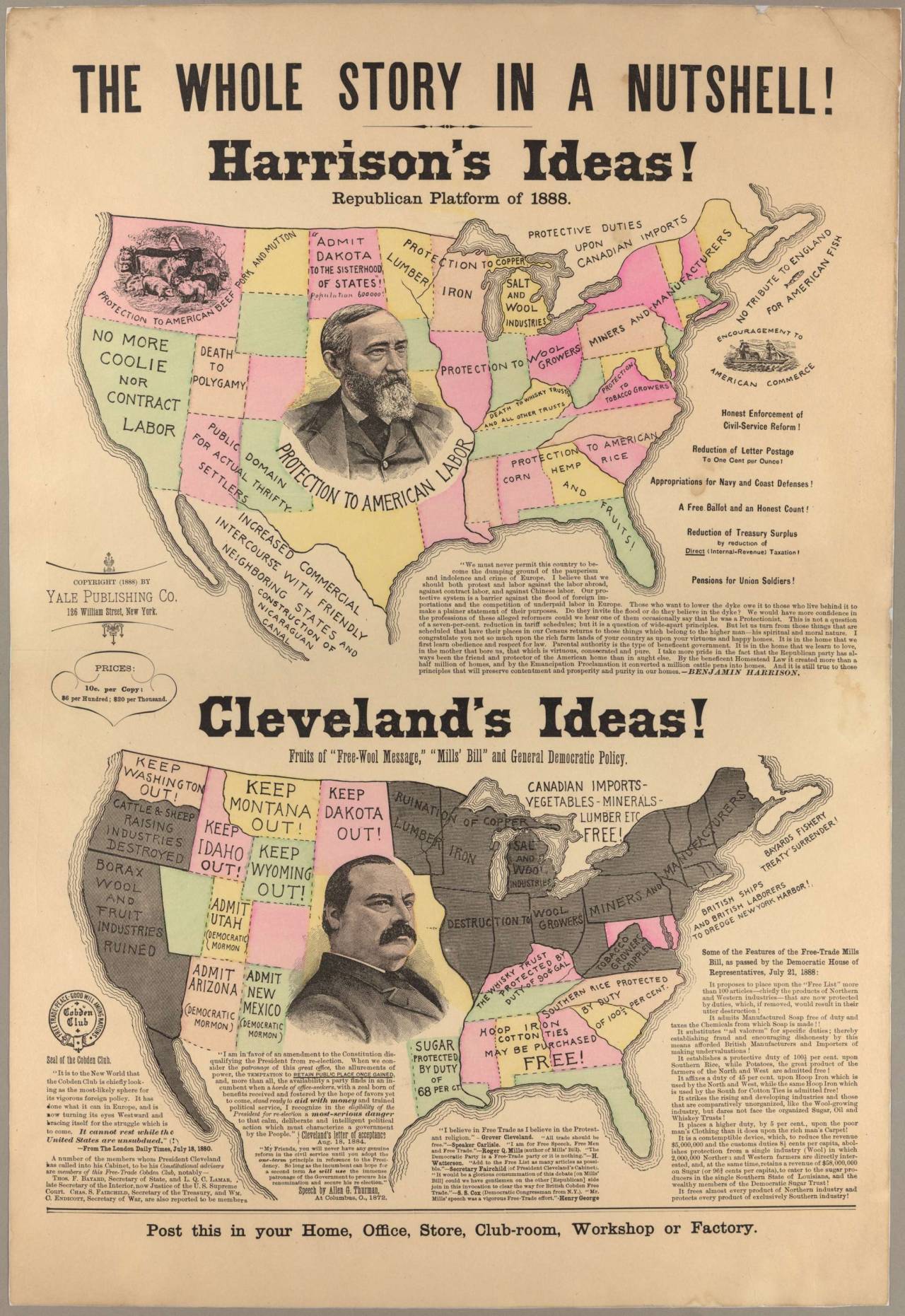
The Whole Story In A Nutshell. The 1888 US presidential election.

mapsontheweb:

The Whole Story In A Nutshell. The 1888 US presidential election.

Tagged: amhist same as it ever was

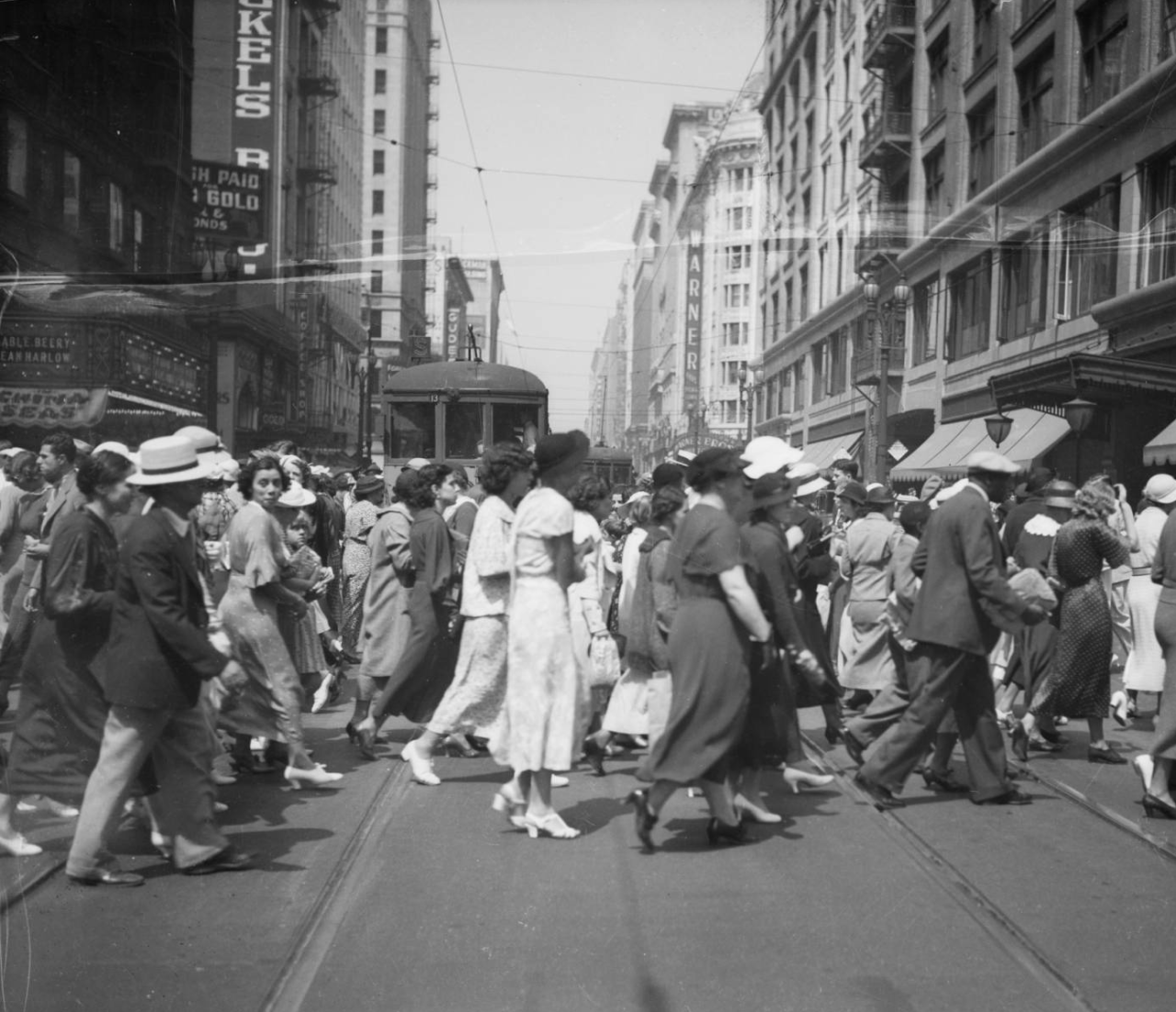
Crossing the street, Los Angeles, 1935

yesterdaysprint:

Crossing the street, Los Angeles, 1935

Tagged: amhist

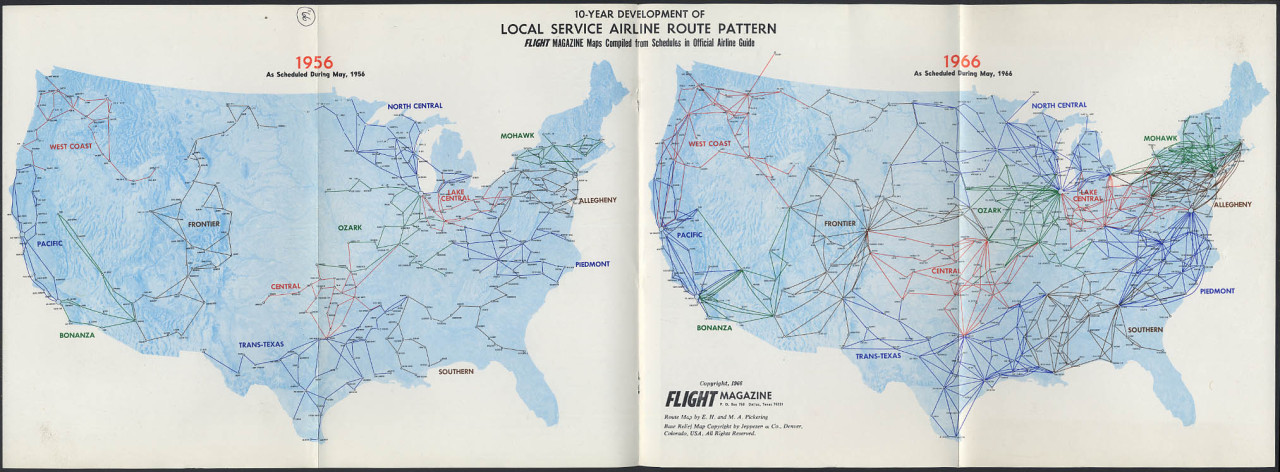
10-year development of local service airline route pattern in the USA, 1956-1966.

mapsontheweb:

10-year development of local service airline route pattern in the USA, 1956-1966.

Tagged: amhist

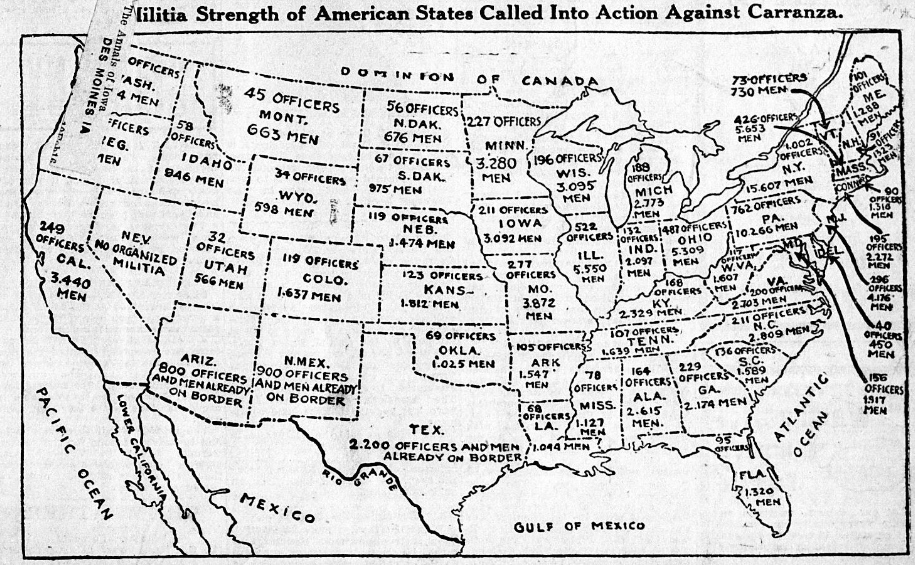
State by state amount of troops called up from in the US after Mexican attack, June 23, 1916.

mapsontheweb:

State by state amount of troops called up from in the US after Mexican attack, June 23, 1916.

Tagged: lower california amhist

I remember you mentioning once that in the late 70s big oil starting backing the Republican Party and how it effected election...

Anonymous asked: I remember you mentioning once that in the late 70s big oil starting backing the Republican Party and how it effected election outcomes. You mentioned various other shifts in support among different sections of the bourgeoisie for the two parties too though I can't remember what exactly. Is there a book that you've read that has some kind of comprehensive history of soft money and where its gone in American politics?

antoine-roquentin:

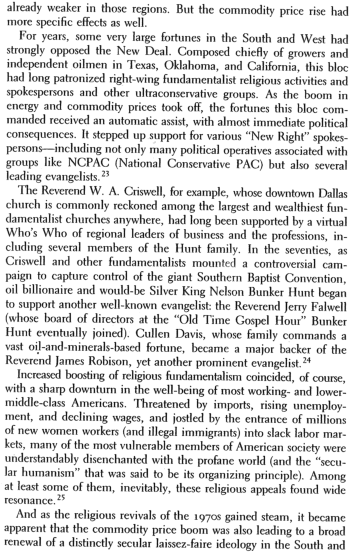
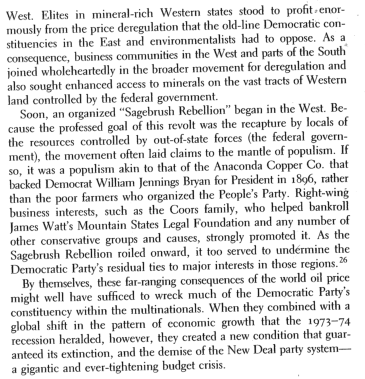
It’s not comprehensive, but it’s what we’ve got. Right Turn, by Thomas Ferguson. This copy is sadly kinda fucked up but it’s free so whatever.

Tagged: amhist history

Portland’s Albina district gentrified. Its public school, Boise-Eliot/Humboldt, didn’t.

Portland’s Albina district gentrified. Its public school, Boise-Eliot/Humboldt, didn’t.

Interesting article, but I say that coming in knowing the context. If you didn’t, I suspect the fact that a famously liberal American city is in 2016 proudly trying to maintain designated schools for black students seems a little underexplained.

Okay. So in the 1960s Portland moved to desegregate its schools. Like other cities, it attempted to create rough parity among schools’ racial makeup despite huge residential segregation by busing students to schools far from their home neighborhoods. Like other cities, there was serious resistance from parents and the program proved politically unsustainable, collapsing by the late ‘70s.

So far so America, but the novel thing here is it was the black parents taking the lead in resisting bussing and returning to neighborhood schools.

For one, with the black population representing a sliver of the district’s total (a resource extraction economy isolated from Dixie, with a white nationalist “free soil/free labor” heritage, Portland missed out on the manufacturing-driven Great Migration and remains the whitest major city in the US) and concentrated in the redlined Albina neighborhood, their children were disproportionately the ones being dragged on hourlong commutes across town.

For another, well, integration proved unsatisfying. After years of seeing their children spread so thinly they represented a critical mass nowhere, under a district making a point of giving them the same education it gave white students, the black community began to appreciate the virtues of black schools embedded in black neighborhoods under the influence of black parents where black teachers-cum-role-models taught students amid an atmosphere of proud and enthusiastic blackness.

(Similar desires on behalf of black Brooklynites turned into a huge shitshow a decade earlier in New York - after attempts to set up schools under autonomous black neighborhood control, the United Federation of Teachers went on a devastating and successful months-long strike in defense of the prerogatives of its (heavily Jewish) membership, shattering the city’s black-Jewish-labor social democratic coalition just in time for the ‘70s debt crisis and ultimately spurring the development of neoconservatism.)

So, a bit over a decade after black Portland’s leadership pushed for school integration under the NAACP, it ended up pushing black schools for black kids, this time under the Black United Front. A great example of the contemporary turn in black activism from equal rights and civic inclusion to black pride and nationalism, tbh.

And as far as I can tell people seemed more or less satisfied with the outcome and no one particularly wanted to tear the system down and it’s continued like that since, and now you know.

Tagged: amhist afamhist history portlandportlandportland

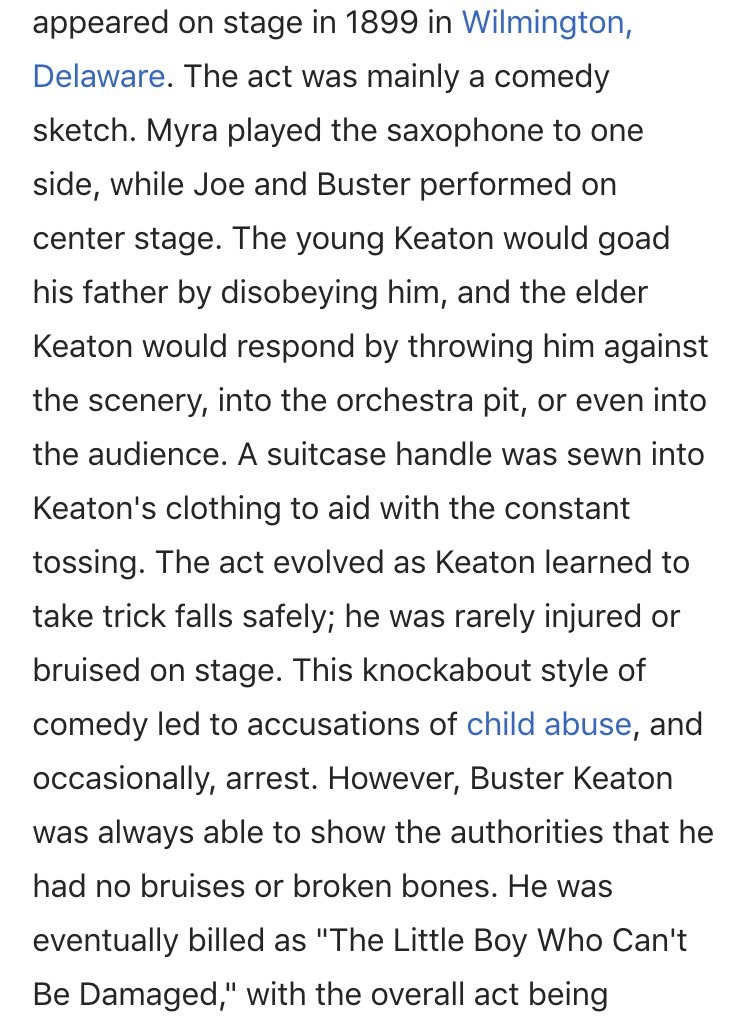
you could absolutely do anything in the old days

grimelords:

you could absolutely do anything in the old days

Tagged: buster keaton amhist

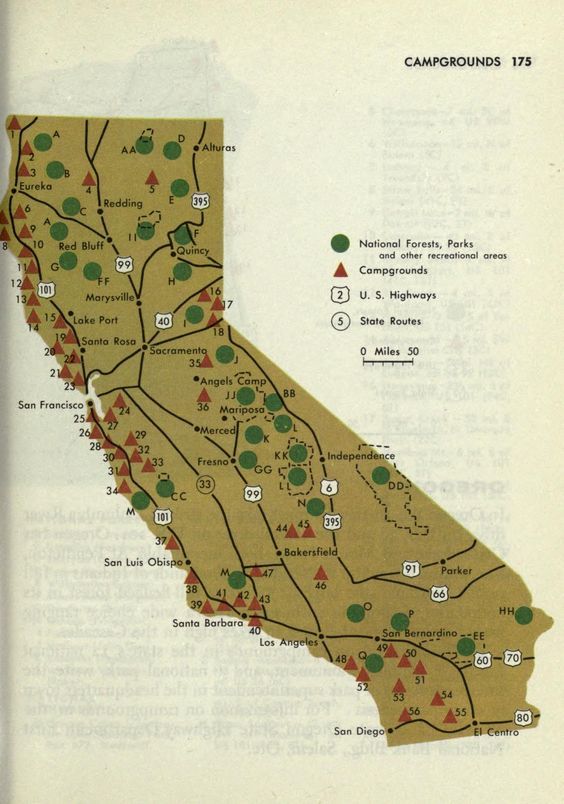
Recreation and camping areas in California. Ford treasury of station wagon living. 1957-58.

kontextmaschine:

theskybehindtheflag:

nemfrog:

Recreation and camping areas in California. Ford treasury of station wagon living. 1957-58.

It’s really weird how this map shows US 91 just sort of ending in the desert, when wikipedia documents that it went all the way down to Long Beach. This just came to my attention because as this map is constructed, there was no direct federal route between LA and Vegas, which is again like really weird 

There was a big renumbering of highway routes in California in 1964 to deal with the way that a history of road construction by multiple authorities left absurd disjunctions and redundancies between named, numbered, and natural through-routes.

oh another thing that’s worth pointing out. all those red-triangle campgrounds along the coast? the coast in that area is like a tiny sliver between the ocean and the mountains, those were areas that were owned by early land barons who raised food there when California was undeveloped and the imperial trade outpost of San Francisco had to be fed by coastal shipping or the Sacramento Delta

later on when they developed inland transportation the barons ended up giving those lands (now useless, because they’ve got terrible overland access) to the state as part of a deal to blow off a ga-huge tax bill

when I rode Blue Bitch up the PCH you’d see these campgrounds and recreation areas clustered in packs around old watering holes in areas that seemed mostly based on the tourist traffic up the coast

maintained at the request, I assume, of the lobby for people who actually live like those car ads

Tagged: amhist transportation geography

Recreation and camping areas in California. Ford treasury of station wagon living. 1957-58.

theskybehindtheflag:

nemfrog:

Recreation and camping areas in California. Ford treasury of station wagon living. 1957-58.

It’s really weird how this map shows US 91 just sort of ending in the desert, when wikipedia documents that it went all the way down to Long Beach. This just came to my attention because as this map is constructed, there was no direct federal route between LA and Vegas, which is again like really weird 

There was a big renumbering of highway routes in California in 1964 to deal with the way that a history of road construction by multiple authorities left absurd disjunctions and redundancies between named, numbered, and natural through-routes.

Tagged: amhist california transportation

Ronald Reagan Was Once Donald Trump

Ronald Reagan Was Once Donald Trump

To hear the right’s triumphalism of recent years, you’d think that only smug Democrats were appalled by Reagan while Republicans quickly recognized that their party, decimated by Richard Nixon and Watergate, had found its savior.

The Republican elites of Reagan’s day were as blindsided by him as their counterparts have been by Trump.

A typical liberal-Establishment take on Reagan could be found in Harper’s, which called him Ronald Duck, “the Candidate from Disneyland.” That he had come to be deemed “a serious candidate for president,” the magazine intoned, was “a shame and embarrassment for the country.”

A strategic memo by Carter’s pollster, Patrick Caddell, laid out the campaign against Reagan’s obvious vulnerabilities with bullet points: “Is Reagan Safe? … Shoots From the Hip … Over His Head … What Are His Solutions?” But it was the strategy of Caddell’s counterpart in the Reagan camp, the pollster Richard Wirthlin, that carried the day with the electorate. Voters wanted to “follow some authority figure,” he theorized — a “leader who can take charge with authority; return a sense of discipline to our government; and, manifest the willpower needed to get this country back on track.”

(yep)

Tagged: amhist donald trump election 2016 same as it ever was

Copyright Act of 1790

Copyright Act of 1790

fyeahcopyright:

From the Mount Vernon website: 

On May 31, 1790, President Washington signed the Copyright Act of 1790 into law. Formally titled, “An act for the encouragement of learning by securing the copies of maps, charts, and books, to the authors and proprietors of such copies, during the times therein mentioned,” the legislation was the first law protecting copyright in the United States. The act explained that it intended to protect “the author and authors of any map, chart, book or books already printed within these United States,” and that authors would “have the sole right and liberty of printing, reprinting, publishing and vending such map, chart, book or books.” Copies of the law bearing Washington’s signature were re-printed in newspapers throughout the country.

The term of copyright in 1790 was fourteen years but it could be renewed for an additional fourteen years upon request/fee payment. 

Can you imagine a world where everything created, filmed, written and drawn before 1988 was in the public domain? 

It’s almost unimaginable - but someone could try to write a story about it. ;)

Ah well, at least we have fair use. 

Tagged: amhist

I don’t think having one holiday about soldiers who died in a war and another holiday about soldiers who didn’t really works, it...

I don’t think having one holiday about soldiers who died in a war and another holiday about soldiers who didn’t really works, it all blends together into one “military” theme.

The truth is Memorial Day started out as a holiday to celebrate the Civil War, while Veterans’ Day started out (as “Armstice Day”) as a holiday to celebrate WWI and then later got patched to incorporate WWII and Korea (displacing attempts to sanctify V-E, V-J, or Pearl Harbor Day).

Meanwhile Independence Day started as a celebration of the Revolutionary War, Patriot Day is I guess a celebration of the War on Terror. Armed Forces Day is a celebration of bureaucratic reorganization.

Tagged: holidays amhist 'merica

Bloody Bloody Andrew Jackson Rock Star Washington crossed the Delaware River Washington acted like a Rock Star Washington made...

Bloody Bloody Andrew Jackson
Rock Star

Washington crossed the Delaware River
Washington acted like a
Rock Star

Washington made America deliver
Washington tried to be a
Rock Star

But all the fame that he had won
it wasn’t really any fun
soon the people started turning
(woah-oh-oh)

that boy who couldn’t tell a lie
two terms and then he said goodbye
Georgie went back to Mount Vernon
(woooooahhh)

why don’t you just shoot me in the head
‘cause you know I’d be better off dead
if there’s really no place in America
for a celebrity of the first rank

Ladies and gentlemen!
Governor!
Andrew!
Jackson!
(yeeah)

That’s right motherfuckers
Jackson’s back!

one-two-three

John Adams tried to be an American idol
Jefferson tried to be a
Rock Star

Madison tried to make the presidency vital
and James Monroe was a
DOUCHEBAG

the story always ends the same
it’s hard to handle all that fame
if you don’t really have it in you
(woah-oh-oh)

there’s no place in democracy
for your brand of aristocracy
take that shit back to Virginia
(or Massachusetts, beyotch!)

why don’t you just shoot me in the head
‘cause you know I’d be better off dead
if there’s really no place in America
for a celebrity of the first rank

you can’t just be a founding father
(would you like to see my stimulus package?)
when everybody wants you to be their father

you can’t just be a founding father
(I’m gonna fill you with POPULA-JISM!)
when everybody wants you to be their father

why don’t you just shoot me in the head
‘cause you know I’d be better off dead
if there’s really no place in America
for a celebrity of the first rank

(crosstalk medley)

man, can you imagine if this musical was written by an actual songwriter?

Lin-Manuel Miranda rates like one win and two places in the filk competition at an off-season con and look where it got him

Tagged: bloody bloody andrew jackson amhist 'merica StandUpForTheHero

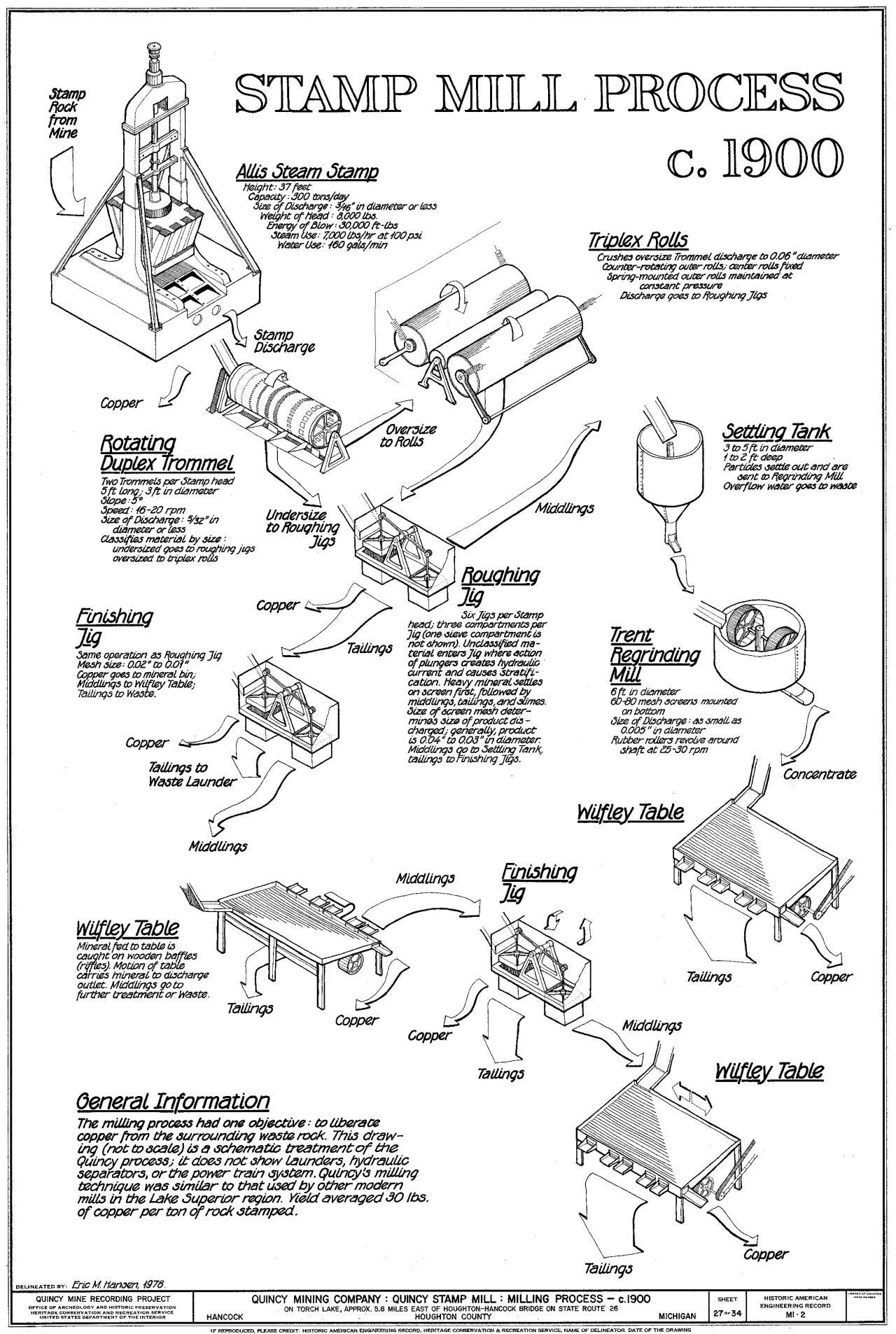
Quincy Stamp Mill Process c. 1900 Historic American Engineering Record Heritage Conservation & Recreation Service Eric M. Hansen...

Quincy Stamp Mill Process c. 1900
Historic American Engineering Record
Heritage Conservation & Recreation Service
Eric M. Hansen
(1978)

Tagged: amhist history

So I was talking to someone about livestock futures yesterday and I was like “I know you can get cattle futures and pork...

prophecyformula:

worldoptimization:

So I was talking to someone about livestock futures yesterday and I was like “I know you can get cattle futures and pork futures, but what about chicken? why shouldn’t I be able to buy some chicken futures if I want to invest in chicken?”

And I looked it up and it turns out people have tried to start a chicken futures market three different times! This was in the 60s, 80s, and 90s, and every time it failed.

Apparently this is largely because in the cattle industry beef processors buy cattle from farmers, so there’s demand for futures from people who want to hedge against price volatility. But the chicken industry is more vertically integrated, so no one actually needs to hedge with futures.

Also I learned that in 1958 Congress passed a bill banning the sale of onion futures? It is still a misdemeanor that carries a fine of up to $5000, so be careful about that I guess.

(Of course there’s also the question of whether a vegetarian can even buy chicken futures. But my vegan friend bought cattle futures the other day so I think it’s generally considered acceptable.)

(Though now I am imagining animal rights groups campaigning for universities to be short livestock futures and it feels totally plausible. If you personally would like to be short livestock, there is a short livestock ETF that trades on the London Stock Exchange, but it does not seem very liquid and it might be hard to trade it if you are not British, idk. If you would like to be short chickens specifically, I recommend shorting the stock of poultry producers.)

oh man do you not know the onion futures story

okay, so, it’s the 1950s. there’s an onion farmer named Vincent Kosuga. he’s a pretty successful onion farmer, so he starts speculating in the commodities markets. after an initial disastrous flirtation with wheat futures, he finds a niche betting on onion prices – he is, after all, an onion farmer – and does pretty well for himself.

in 1955, Kosuga gets an idea. an awful idea. Kosuga gets a wonderful, awful idea. he starts building warehouses around the country, and places orders for all the onions he can get his hands on. in addition, he starts buying onion futures, guaranteeing him delivery of the onions that are still in the ground.

by that fall, he’s done what he’s set out to do. he owns 98% of the onions in the united states. he’s cornered the market, and he gets to control onion prices. of course, since he has all the onions, he jacks prices up really high and makes a ton of money.

but Kosuga isn’t done yet. he’s quietly been establishing a big short position in onion futures. then, all of a sudden, Kosuga starts flooding the market with all the onions he owns. onion prices go through the floor – literally selling for less than the cost of the bag they’re delivered in. since Kosuga is short onions, he makes another ton of money.

but everyone is super pissed at him. especially other onion farmers – when the price of onions got driven down to almost nothing, their crops, their hard work, became worthless. some of them went bankrupt, or even committed suicide. so of course they lobby congress. and congress, as always, legislates to prevent the previous crisis rather than the next one – and bans trading in onion futures.

of course, this is probably unnecessary and in fact harmful. it’s really rare for anyone to come close to cornering the market in a commodity, and it’s even harder today (you can’t really buy up all the onions in secret, without other traders noticing) than it was 60 years ago. nevertheless, trading in onion futures remains illegal in the US today.

Tagged: amhist

Was thinking about the ‘70s, as one does. In this case changes in rail transit - deregulation, the formation of Amtrak, and the...

Was thinking about the ‘70s, as one does. In this case changes in rail transit - deregulation, the formation of Amtrak, and the Mass Transportation Acts, which left a situation where essentially all U.S. passenger rail transport was funded by the federal government.

You run across occasional grumbling about this, that proper transportation systems should stand on their own two feet and support themselves but it’s worth pointing out that American passenger rail has never really funded itself at scale through ticket sales and has always been effectively subsidized by other factors, and federal expenditures have been a major part of this from the beginning.

Long distance-city-to-city travel was supported by shipping, obviously - heavy commodity shipments tended to go too slow for passenger transit but mixed-car trains weren’t unusual, and of course all used the same infrastructure. But if that were the end of it you’d expect traveling to take place at whim of the shippers (like stateroom passengers on transoceanic freighters), and not convenient regular daily schedules. In fact, the regularity and speed of inter-city passenger service was largely a condition of - and underwritten by - the renumerative contracts to carry U.S. Mail.

This was no Steam Age innovation - in the Revolutionary Era federal mail contracts were paid handsomely in part to knit the country together by subsidizing shipping and transport between coastal ports. Much as its estranged parent the British Empire similarly linked its colonies using packet ships.

(Another reason these contracts paid so well was to enrich the well-connected figures who were awarded them by the politician friends they helped put in office. Post Office appointments and contracts were the basis of the patronage coalitions that congealed into our political parties.)

Similarly, a lot of early aviation industry and infrastructure was underwritten by the Post Office through the development of Air Mail, a premium service akin to modern UPS or FedEx same-day options. Charles Lindbergh’s transatlantic “Spirit of St. Louis” was named after the home base of his mail route.

(Of course, even with mail carrying many passenger lines were still unprofitable but maintained as a condition of federal regulations and were cross-subsidized by freight - the American federal regulatory state is often associated with the New Deal of the 1930s, but a lot of those “innovations” had plenty of precedent in railroad regulation, dating back to the Interstate Commerce Act of 1887.)

In a similar but non-governmental case of cross-subsidy, lines connecting cities with their surrounding countryside might have been expected to follow traditional agrarian traffic patterns - heavy service at harvest time and market days, little or none otherwise, but travelers enjoyed daily service in large part by piggybacking on shipments of a perishable product - milk - that was sent to the urban center from outlying farms every day.

Commuter lines, connecting workplaces to residential districts using streetcars or what would now be classed “light rail”, might seem distinct in this regard - with no cargo capacity, all they do is transport passengers. In fact, many of these lines were effectively cross-subsidized by real estate development.

Most famously, commuter lines would buy large, cheap plots at the “country” terminus of their line and erect amusement parks. (Coney Island is the most famous remnant of this tradition.) Not only profiting from the parks themselves, the lines were also able to sell tickets to use expensive lines, stations, and rolling stock that would otherwise sit idle on weekends.

But more than that, many commuter lines were built with an eye towards profit not from tickets but from the appreciation of land for commercial development. A developer would buy large tracts of outlying farmland for cheap (by magnate standards), support the construction of a railroad, and once it had been connected to urban centers of employment sell the land more expensively (but less so than closer-in land) for housing.

This had the problem that once the entire tract was sold off there was little angle in maintaining service, or repairs, on the line. (Landlord/developers profiting off rent, more common in Europe, at least had some incentive to keep things going.) This, and not an automotive conspiracy, was a big part of how Los Angeles’ famed streetcar lines collapsed.

(Another part was that as lines lengthened and branched, sharing the same at-grade rails through the same built-up corridors and centered on the same downtown hub, hellacious traffic jams slowed the system to near walking speed. The major selling point for buses - they could take whatever roads they want, rather than all running down the same street that made sense for a single line decades ago - was a real distinction and not just a smokescreen. Big cities like London, NY and Chicago had had this problem years before, which spurred the growth of grade-separated transit - subways and elevated rail. But in Automotive Age LA, what happened was new building spread out away from the jammed clusterfuck arteries, which further undermined the downtown hub-and-residential-spoke system as more and more commuters were traveling between a “not downtown, or terribly close to the streetcar line, really” home and a similarly located workplace.)

Funicular railroads like LA’s Angel’s Flight, which is essentially a glorified escalator, sometimes made their money off passengers. I’ll give you that one.
Tagged: history amhist

Whatever happened to the happy modernists?

Whatever happened to the happy modernists?

oligopsony:

some interesting stuff here, such as:

It’s only when you study a relatively sedate medium like literature that a clean line of evolution from ‘modernism’ to ‘postmodernism’ seems to appear, and only then if you focus on the slow, serious end of the medium – the Modern Library Top 100. Yes, if you ignored every cultural product of the interwar period except for a few novels by Joyce, Woolf and Lawrence, it could easily look like the big achievement of 20s modernism was stream-of-consciousness fiction, which babbled on for thirty years until it got supplanted by a new, self-consciously artificial postmodernism. Since then, it’s all been about reflexivity, metafiction, pop-culture pastiches and genre-slumming.

But the aesthetic history of the twentieth century would look very different if you judged it by the development of animated cartoons, which evolved a bit faster than novels. While the richer, stuffier modernists were still wrestling with their pommy-Freudian sex pastorales, American cartoons were getting more and more sophisticated, all thanks to – you guessed it! – the East Coast working class.

Well by the middle of the century, US cartoon animation had done something extraordinary; it had become the perfect medium for metafiction, pastiche, reflexivity and self-conscious artificialness – perhaps the only medium that could pull them off on a regular basis without embarrassing itself.  Tricks that looked clumsy in High Serious postmodern literary fiction came easily to Bugs Bunny and friends.

Tagged: amhist

Genocide by Other Means: U.S. Army Slaughtered Buffalo in Plains Indian Wars

Genocide by Other Means: U.S. Army Slaughtered Buffalo in Plains Indian Wars

dagwolf:

from the article,

As the U.S. government and its restless people looked to expand westward after the Civil War, they started to infringe upon Indian lands. During the Plains Indian Wars, as the U.S. Army attempted to drive Indians off the Plains and into reservations, the Army had little success because the warriors could live off the land and elude them—wherever the buffalo flourished, the Indians flourished. But pressure on the Army to contain the Indians increased in the 1860s when gold was discovered in the Montana Territory, and part of what is now eastern Wyoming became the route of the Bozeman Trail, the quickest way to get to the mines in Montana. This trail cut through sacred ground for the Sioux, as well as their prime hunting grounds—the “best game country in the world,” according to one veteran trapper. The Sioux regularly attacked travelers on the Bozeman Trail, and Army forts were set up to protect travelers through the Powder River Basin. During the Indians’ clashes with settlers, prospectors and U.S. Cavalry to protect a last bastion of their food supply in what became known as Red Cloud’s War, U.S. Army Captain Fetterman bragged, “With 80 men I could ride through the whole Sioux Nation.” He soon got the chance to back up that boast: Captain Fetterman and his men met with some representatives of the Sioux Nation and their allies, led by Crazy Horse, on December 21, 1866, in the Powder River Basin, and the result of that battle is remembered in history books as the Fetterman Massacre—all 81 men in his party were slain. It was the Army’s worst defeat on the Plains until the Battle of Little Bighorn, 10 years later, and forced it to pull out of the area after the Fort Laramie Treaty was signed in April 1868.

General William Tecumseh Sherman, who had broken the back of the South during the Civil War with his ruthless March to the Sea, helped negotiate the Fort Laramie and 1867 Medicine Lodge treaties that were supposed to end U.S. hostilities with northern and southern tribes. But that’s when officers started thinking about a new strategy. Sherman knew that during the Civil War the Confederates’ means and will to fight were extinguished by his brutal—and brutally effective—”scorched earth” policy that decimated the infrastructure of the South. Why couldn’t the same strategy be applied to Indians and their buffalo? Greymorning said, “The government realized that as long as this food source was there, as long as this key cultural element was there, it would have difficulty getting Indians onto reservations.”

A pile of hides in Dodge City, Kansas, ready to be shipped back to the East Coast.

A pile of hides in Dodge City, Kansas, ready to be shipped back to the East Coast.

Isenberg said, “Some Army officers in the Great Plains in the late 1860s and 1870s, including William Sherman and Richard Dodge, as well as the Secretary of the Interior in the 1870s, Columbus Delano, foresaw that if the bison were extinct, the Indians in the Great Plains would have to surrender to the reservation system.” Colonel Dodge said in 1867, “Every buffalo dead is an Indian gone,” and Delano wrote in his 1872 annual report, “The rapid disappearance of game from the former hunting-grounds must operate largely in favor of our efforts to confine the Indians to smaller areas, and compel them to abandon their nomadic customs.”

“As a policy statement, I think that’s pretty clear,” Isenberg said. The Army had already used a similar strategy—In its 1863-1864 campaign against the Navajos, led by Colonel Kit Carson, the Army destroyed tens of thousands of sheep in a successful effort to subdue the Navajos.

There was one tactical flaw with this strategy: too many buffalo. But while it wasn’t feasible for the U.S. Army to kill tens of millions of bison, it was feasible for the Army to let hunters use their forts as bases of operation and stand by as they slaughtered the animals in staggering numbers. Another key strategy here was that the Army made no effort to enforce all those treaty obligations forbidding whites to hunt on Indian lands. Whites could needlessly kill a bison for “sport” but when an Indian killed cattle for food for his family because of the growing scarcity of bison, he was severely reprimanded.

Tagged: amhist