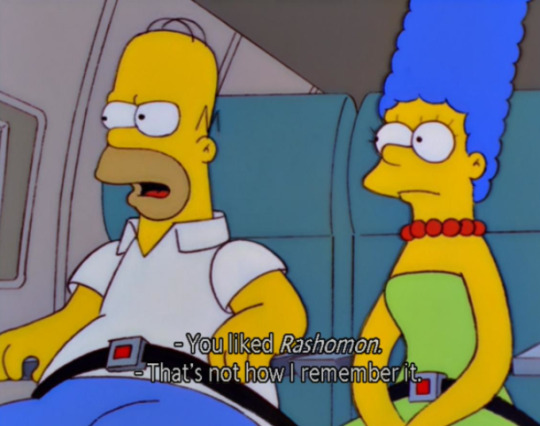
Among the many great little stories in Jonathan Rose’s book The Intellectual Life of the British Working Classes, one that has always stuck in my mind concerns a guy who read the Bible on his own, with dedication but without any external guidance.
On the basis of the other books he’d read, he assumed the Bible was a chronological narrative in which each section happened after the previous one. So when he got to the gospels, he assumed that they actually happened sequentially: that Jesus was in a sort of Groundhog Day time loop in which he experienced slightly different versions of the same set of events four different times, dying at the end of each version. (I guess would make sense that final loop was John, which is significantly different from the other three.)
That’s fantastic! And like most misinterpretations, it considerably improves upon the original text! :)
Really though, without context I’m not sure how else you would read it. If I was reading a book that had four repeated chapters with minor variations I would assume it was either an editing mistake, a sci-fi story, or a post-modern critique of intertextuality ??
Kinda curious now why the First Council of Nicaea didn’t just combine all the gospels into one super gospel and promote that.