One of the agendas of the Yugoslav self-managed socialism was to provide leisure to all Yugoslav workers and citizens, as well as to improve the economy by developing tourist industry for foreigners. Tourist architecture was therefore presented as one of the segments of the exhibition Toward a Concrete Utopia: Architecture in Yugoslavia, 1948-1980 in MoMA.
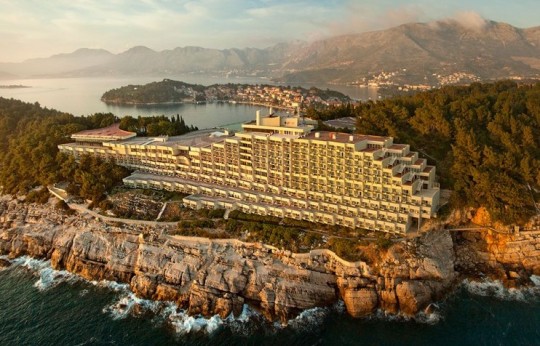
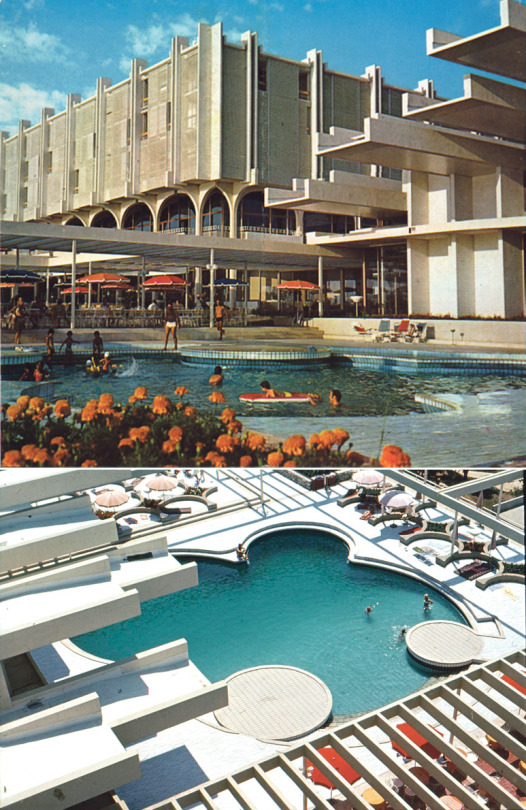
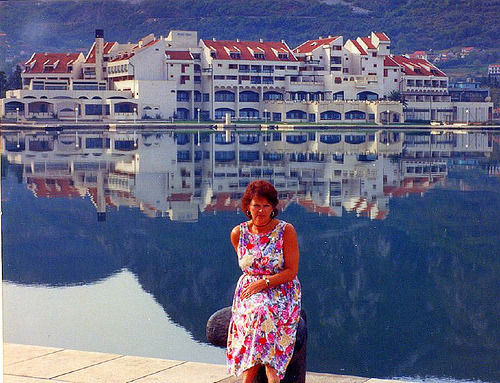
Hotel Croatia by Slobodan Miličević (1973). | Photo via Calvert Journal
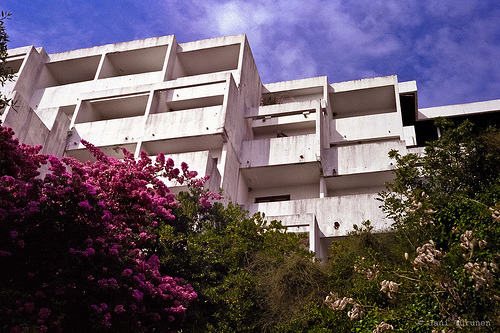
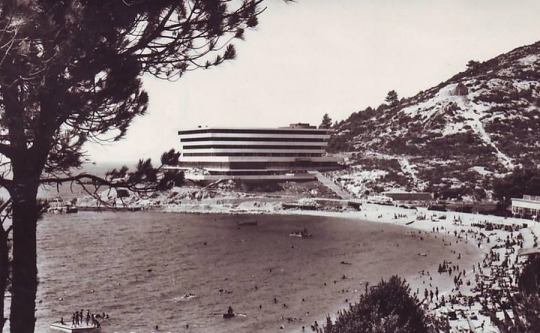
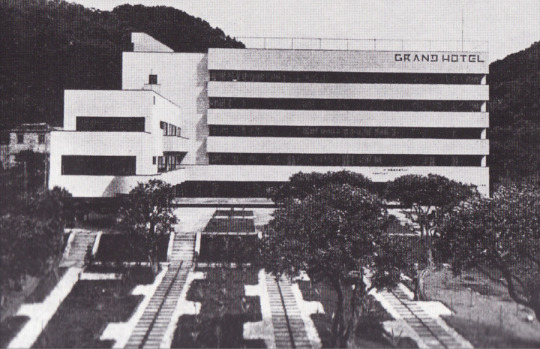
During the 1960s, a number of tourist facilities were built, among them was also Hotel Plat only six kilometers from Dubrovnik Airport. | Photo by Hive Miner
Hotel Plat immediately became a magnet for tourists and therefore built another one named Hotel Ambasador a decade later. The hotel had 302 rooms, each with its own view of the Adriatic Sea.
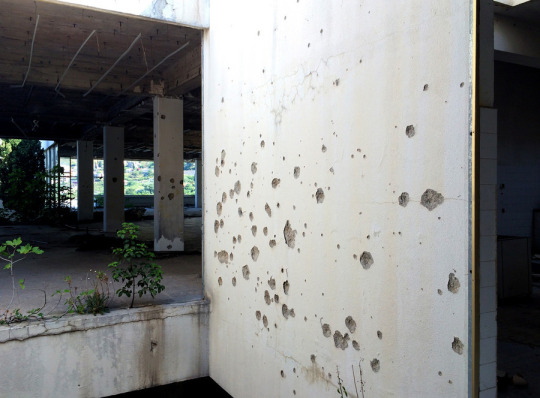
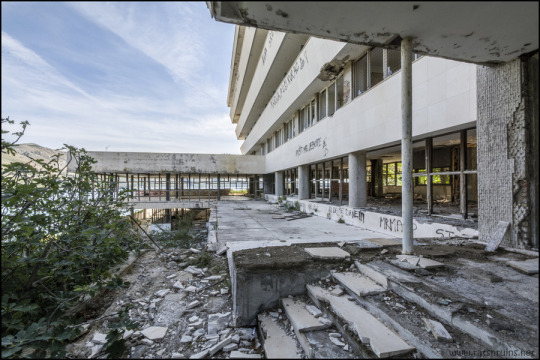
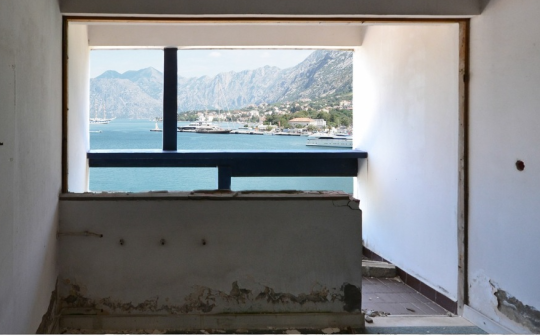
After Croatia’s independence from Yugoslavia in 1991 Hotel Ambasador was damaged completely.| Photo by Hive Miner
Since the Croatian medieval center of Dubrovnik appeared in the Game of Thrones, it has been overwhelmed by tourists. There are not enough facilities for guests and the city municipality limited the number of daily visitors to 8,000.
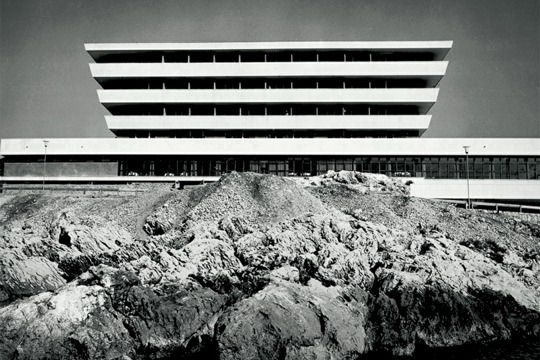
Hotel Pelegrin’s architecture drew considerable acclaim in the 1960s new tendencies, defined by creative evolution and a certain detachment from the tradition of modernism.
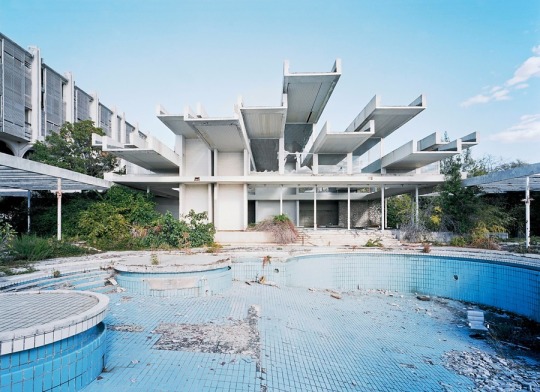
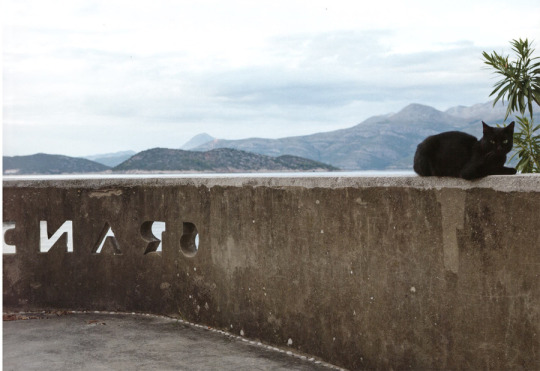
During the siege of Dubrovnik in 1991 the hotel was destroyed. | Photo via Oris