Said it before, saying it again: Endora is Gay Culture.
Said it before, saying it again: Endora is Gay Culture.
two things:
1) Wow, Endora was totally the basis for Lwaxana Troi on ST:TNG, huh, I just got that
2) This is a good illustration of a point I keep returning to, which is important for getting at how culture shifts back and forth, that “The Fifties” (yes, 1964 included) were NOT the last gasp of an eternal patriarchal traditional order, they were recognized at the time as a conservative retrenchment that earlier generations found disappointing.
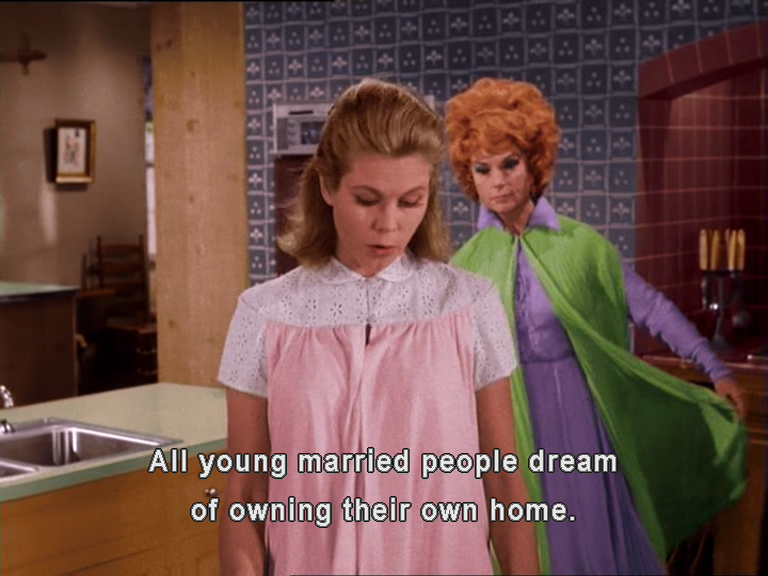
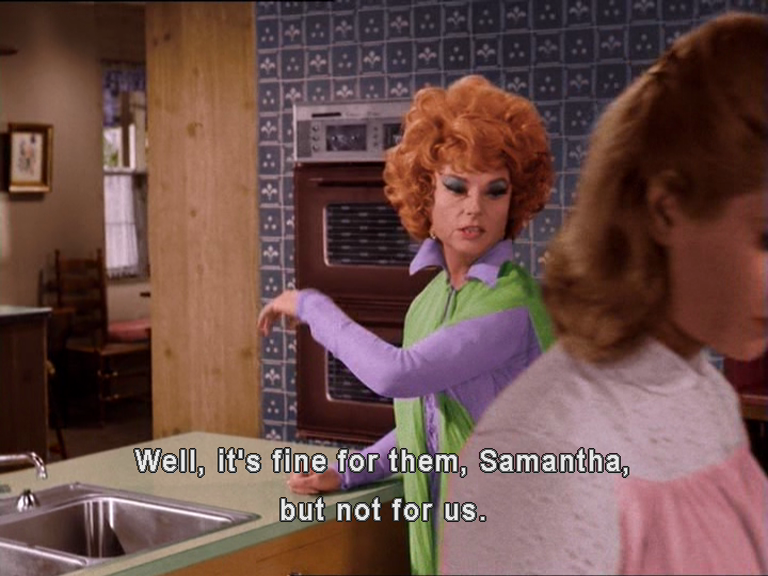
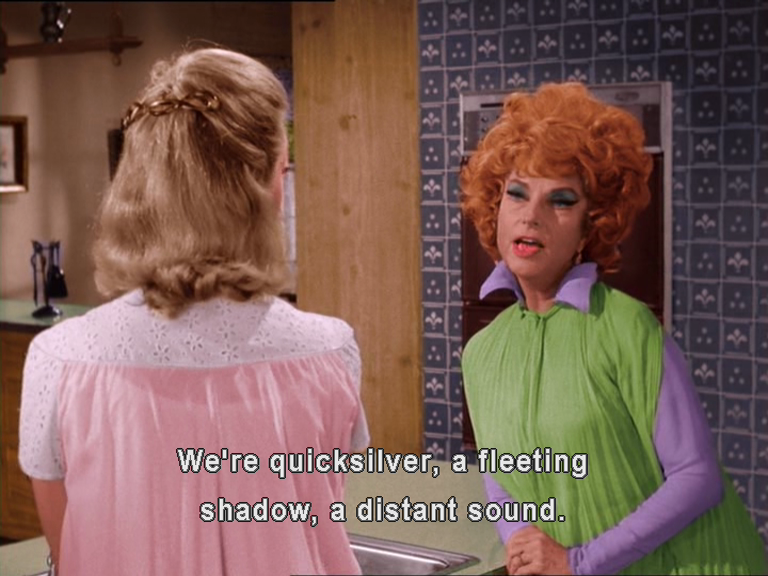
Setting aside the backstory of Samantha and Endora as magical immortals and considering them as representing “a postwar newlywed” and “a woman from the previous generation” (coming of age in, say, the Roaring Twenties), this is a pretty good summary of the generation gap: the previous generation thought the Fifties Kids were narrow-horizoned bores who foresook worldly excitement for dreary conformity.
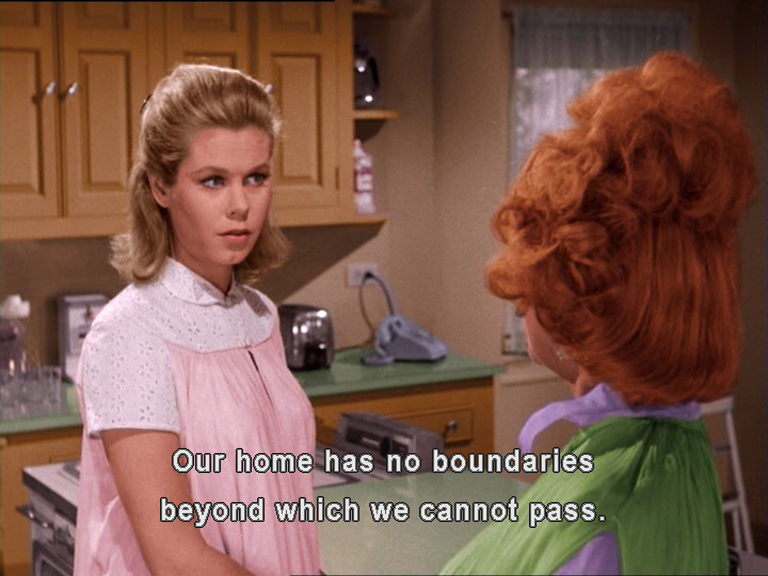
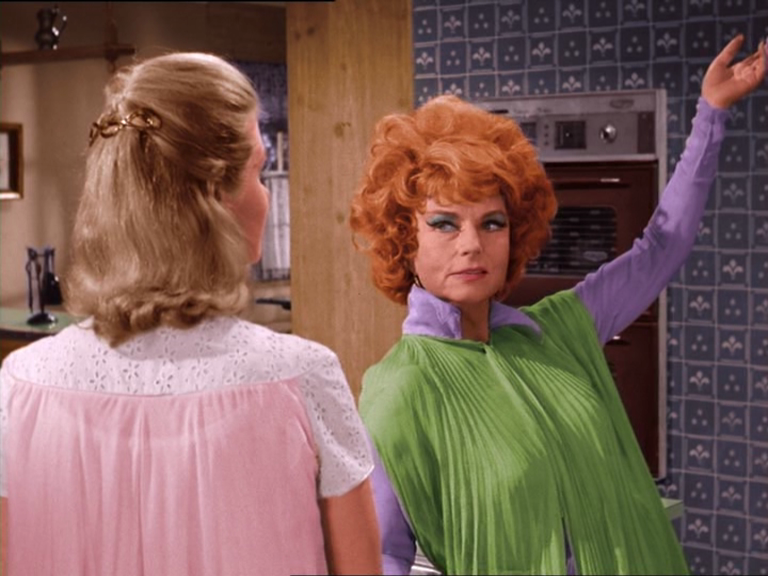
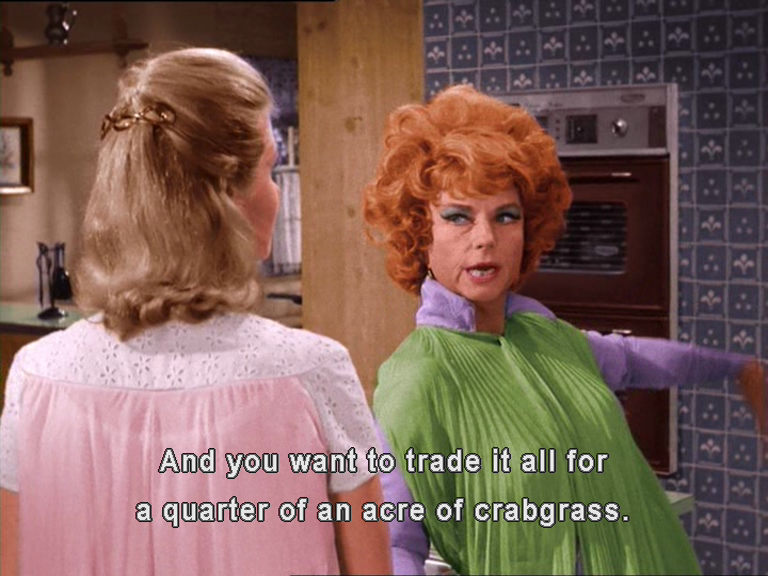
But if you know what you’re looking for you can see Samantha’s riposte here. For one, look at the life she gets out of committing to a love-matched partnership with a man that Endora considers unremarkably beneath her potential - a comfortable (upper-?)middle class life in a two-story house on its own plot of land, that modern decor and those modern appliances.
That’s not something the older (“Endora’s”) generation could count on before the postwar suburban Mass Middle Class. In 1940 the homeownership rate was only 43% and that’s averaging tenement-dwelling urban workers in with family farmhouses on tenuously mortgaged farms, with the middle and upper classes making up maybe a 20% remainder.
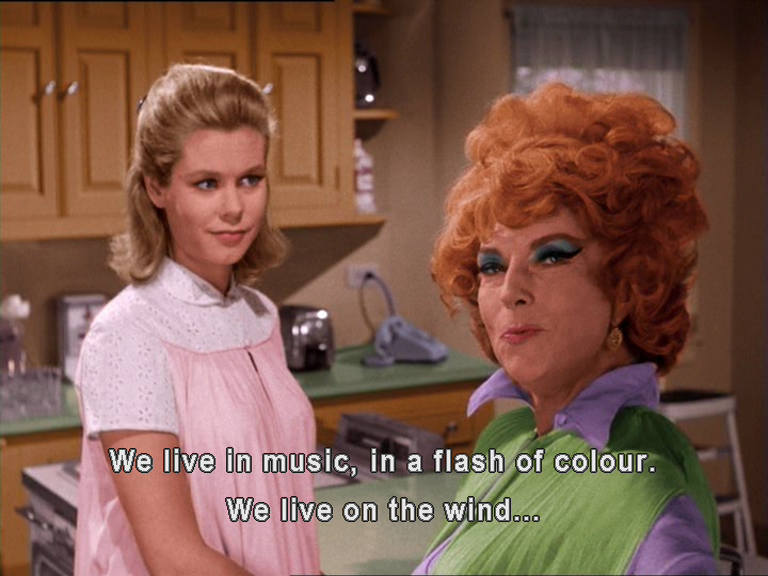
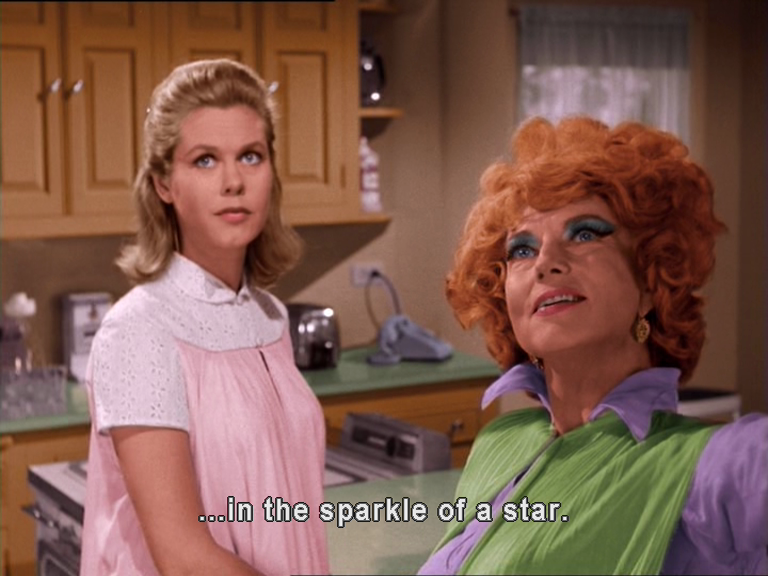
Also, just look at the two women. You notice Samantha’s not any less made-up or styled than Endora, look at the blonde halo around her radiant upturned face in panel 6. It’s just that Endora’s makeup and style is garish and vulgar. Part of that’s playing to the new format of color TV, but part of it is she’s supposed to look attention-seeking, undignified, that’s the point.
For all her theater-people rapture over the adventurous life, a central part of “adventure” for women of Endora’s generation would have been man-hunting, or rich man-hunting, as a precondition of acquiring the comfort Samantha does by settling down with a man she simply likes. And meanwhile, she has a man that she likes! Samantha legitimately loves Darrin and enjoys their life together, while Endora is the bitter, slump-faced whore-painted Avatar of Domestic UNtranquility. She’s snipingly separated from husband/warlock/stage actor/father to Samantha Maurice, who was, reading between the lines, gay anyway.
So when Endora makes that speech Samantha (and by extension a good chunk of the contemporary audience) sees it as sour grapes, putting a romantic gloss on a lack of the very stable, fulfilling home life she enjoys with Darrin. That’s really an underappreciated connection between the insular, “nesting” conformist consumerism of “The Fifties” and the unbound “flower child” hippieness of “The Sixties” – a sense that the postwar Golden Age delivered such material surplus that people could afford the luxury to kick back, take a break from competitive struggle, and live a life of their choosing based on companionship and love.