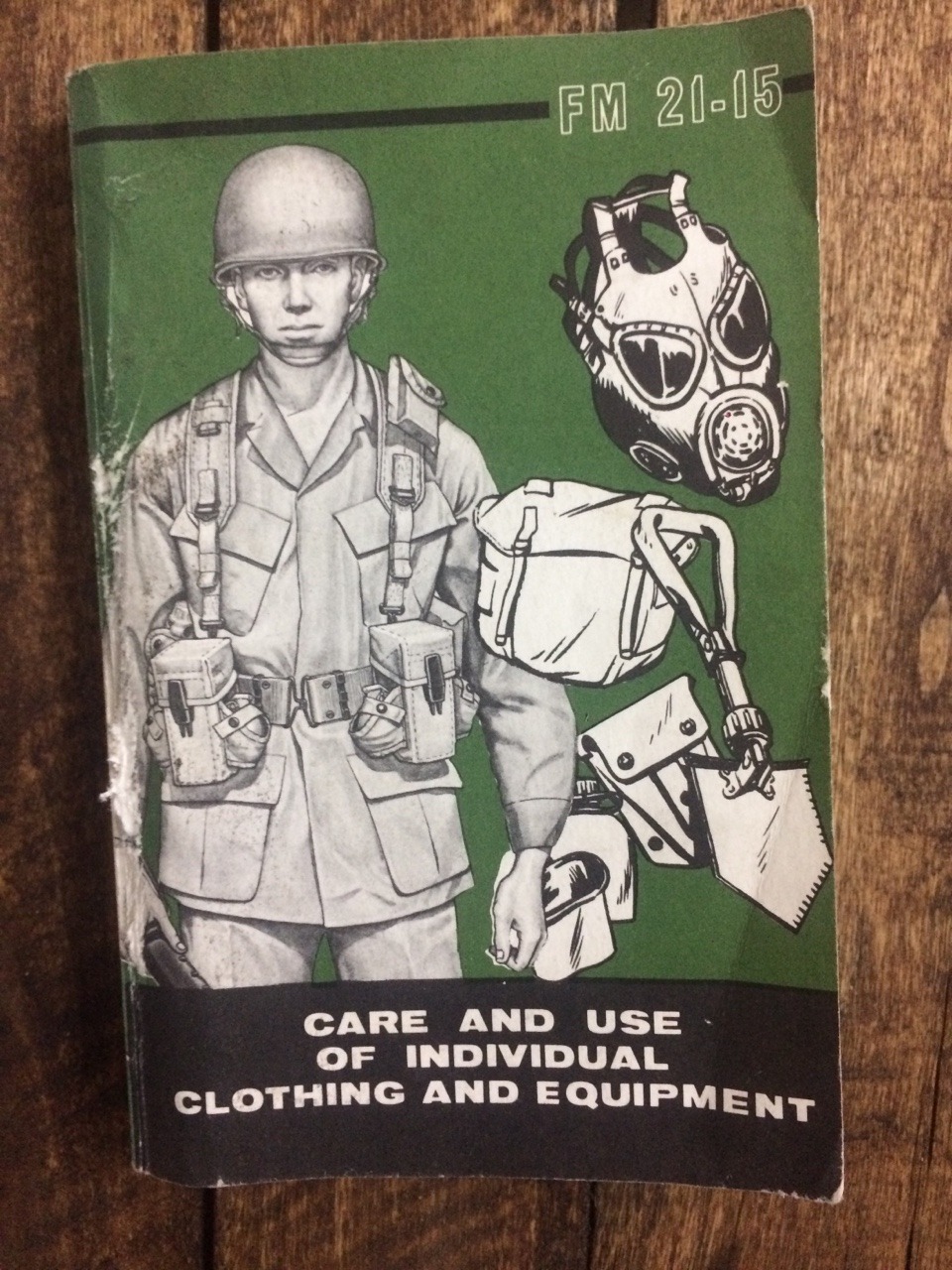
One thing this 1977 field manual drives home is how much real improvement there’s been in clothing and basic goods in the last...
One thing this 1977 field manual drives home is how much real improvement there’s been in clothing and basic goods in the last few decades
Like it’s a picture of a world where clothing is a lot more precious AND less functional, more limited in range of usable conditions so that meeting even minor climate variations requires extensive layering and accessorizing
A world where you will have to mend and thoroughly clean it regularly, by particular procedures according to fabric type and treatment, and exhibit particular skill at wearing it, and if you do these things wrong you will permanently damage or destroy an expensive object or literally set yourself on fire
so that meeting even minor climate variations requires extensive layering and accessorizing
Can you give some examples here?
Because I ended up with 4 distinct wardrobes in the Bay Area, a place with at most a 20 degree seasonal temperature variation. With 2-3 additional wardrobes for travel to far locales that went above 80 or below 55.
- T-shirt/pants.
- Long-sleeved T-shirt/pants
- Layering the 2 former things as it went below 65, or possibly using a zip-up hoodie as the top layer/pants.
- Finally, at last throwing a light jacket on top of all of that/pants with long underwear/light gloves.
And then the additional wardrobes were:
- Oh ye gods, it is literally 110 degrees. So let us wear shorts and special moisture-wicking polo shirts.
- Here’s several boxes of winter gear that I only pull out of storage so I can go slap it into a suitcase for heading home at Christmas.
- FEAR!!! For moisture is falling from the sky and the gods are clearly mad at us.
Well, like, a lot of the basic outer stuff is wool, which works well enough 2/3 of the year in Cleveland but the other 1/3 (2/3 in Atlanta, all year in the South Pacific) literally cannot sustain human life, but if it’s particularly cold you’ll need another, thicker layer.
And moisture messes with it so you need yet another layer if it rains and it degrades if it’s humid or foggy, and it doesn’t block the wind well so you need a shell for that
This is on top of the wool layer which might itself be over a shirt and undershirt. And it stains easy and sheds and gets threadbare with use and you have to clean it gently in lukewarm water or dry clean it or it’ll totally lose shape
Compare to our modern activewear and it’s no question - when you picture the 70s-80s you imagine windbreakers and those puffy ski jackets (and polyester suits) because artificial fabrics were new and durable, cleanable, cheap, colorful, fitting lightweight outerwear that fully blocked the elements – adjustable on the fly with drawstrings, zippers, and elastic – was cutting edge