shrine to a dude, who even knows

i cant believe there are people who still havent seen this video

finn-the-adorable:

jerkstorecalling:

fiztheancient:

i cant believe there are people who still havent seen this video

I could probably recite this entire video, word-for-word, on demand.

The only time people mention my home state of Maryland it’s some shit like this

Bat, Beam, Bean: In other times

Bat, Beam, Bean: In other times
However, the best decade for general interest magazines is probably the 1960s. This was the heyday, the time of maximum prestige and authority of this kind of journalism. It was a time before ‘fake news’, or rather a brief interlude during which faith in the press was such that the notion of alternative facts needed not be seriously entertained (at least not by the majority of people).

Tagged: it's media

California and the End of White America

California and the End of White America

This is Ron Unz reposting a thorough 1999 article of his about the development of racial politics in 1990s California, framed around 3 high-profile, racially relevant ballot initiative campaigns.

It’s fascinating because it very clearly foreshadows and leads into where we are now, right down to its terminal predictions (the attempt to put racial issues in politics to rest and realign around a cross-racial citizenship faces difficulties and cannot be assumed, there is a real risk the system will continue on current logic with whites developing a conscious political identity in response), and yet as Unz depicts them - and he was in the weeds here - the actual motivations of the players involved are near-completely incomprehensible from a modern standpoint, a measure of how fast things change.

That is one critique I have, on how fast things change, Unz puts the 1992 “Rodney King” riots as the moment that put Californian whites on notice that their comfortable paradise was threatened by racial unrest.

Now, I really do want to emphasize the scale of this shift - as I’ve mentioned before, California during most of the 20th century was a white middle class bastion of conservative Republicanism. For all its Summer of Love, hippie, surfer girl, Black Panther mystique, it was a reliable Republican presidential vote from the end of the FDR-Truman New Deal Dynasty all the way up through Bush the Elder in ‘88 (excepting the Goldwater/Johnson landslide).

Like, if you’ve got a modern sense of what “California” and “Los Angeles” mean, that’s a bit jarring, and the shift was jarring as hell to live through. This explains Steve Sailer. If you’ve ever wondered what explains Steve Sailer, this explains Steve Sailer.

But, for all that I find Unz’s depiction of the ’92 riots as an end to innocence a bit wishful. For one, the Watts Riots of 1965, Hunter’s Point ’66. But closer at hand than that, I can off the top of my head think of several prominent artistic depictions of a racially tense California that were produced just prior to this, indicating that the tensions were on thinking people’s minds.

There’s White Men Can’t Jump, which basically shared Unz’s “no illusions, but this might just work out” tack, released almost exactly a month before the riots. Falling Down, an elegy for white middle class LA, was released almost a year afterwards on an accelerated production schedule but still written prior.

Closest to my heart, Neal Stephenson’s Snow Crash is a fantastic projection of period SoCal, gated communities and franchised everything, and its looming specter of the “The Raft” threatening to arrive and swamp the locals is drawn partly from the Mexican immigrant wave that usually gets dated contemporary to the ’84 Summer Olympics, and partly from the Asian “boat people” refugee wave all the way back in the 1970s.

So, maybe up to that point it registered as “nothing LAPD nightsticks can’t solve”, but the idea that racial tensions weren’t noticed as a threat strikes me as a bit of a stretch.

(corrected from previous)

Tagged: amhist history california race

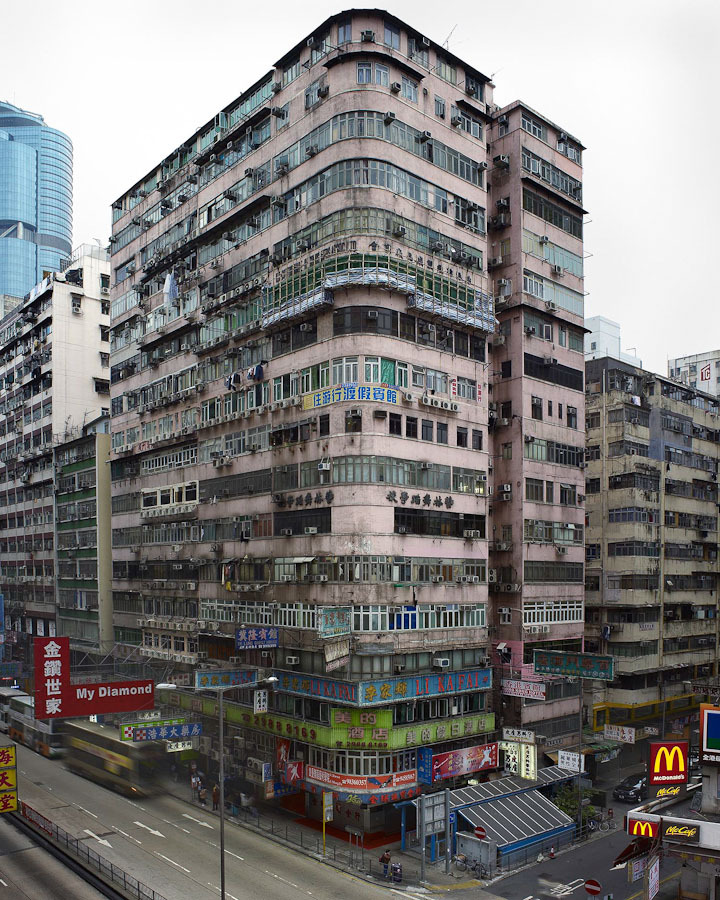
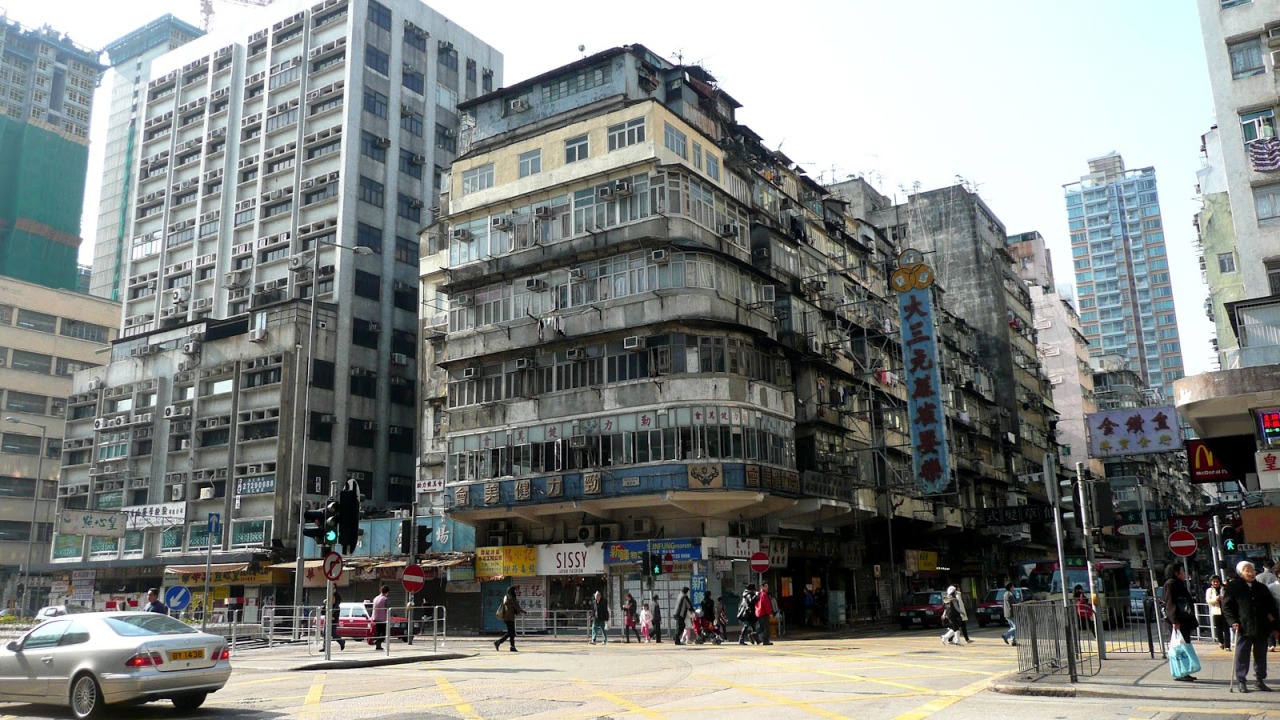
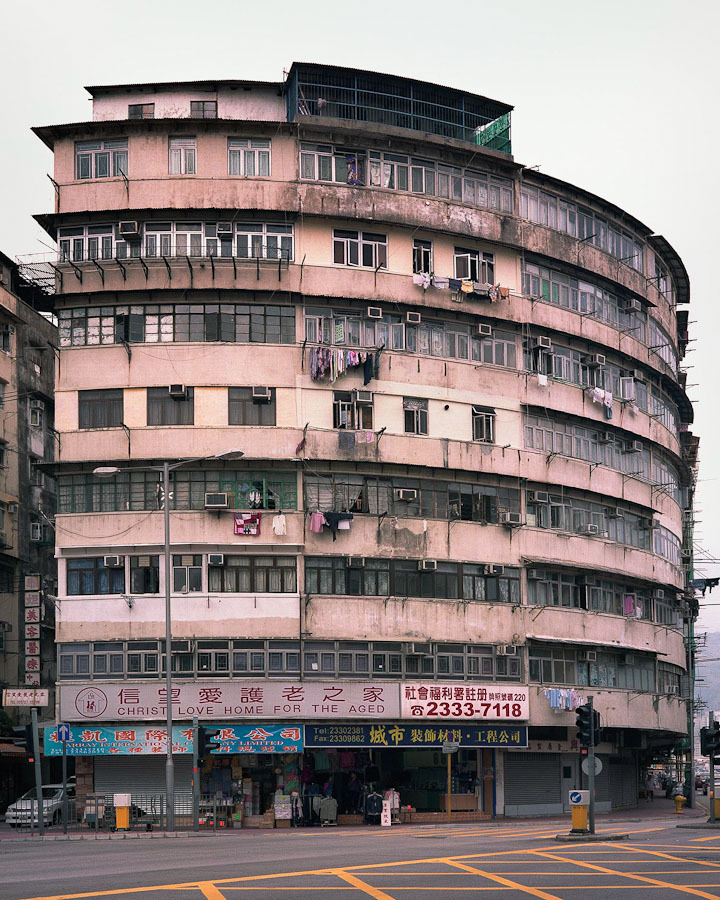
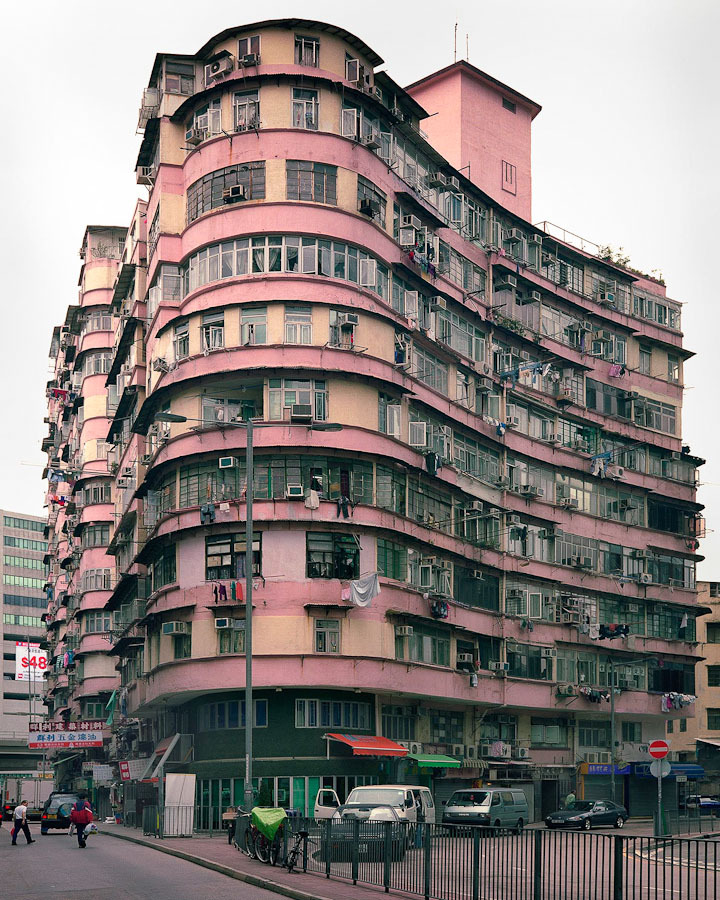
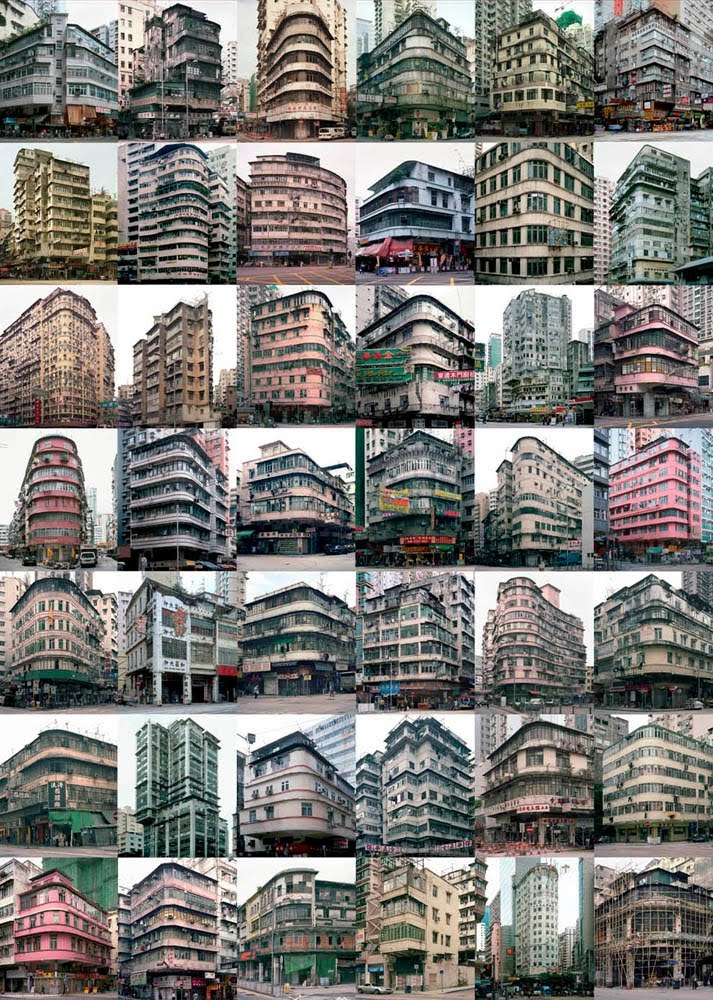
In “Hong Kong Corner Houses,” the internationally renowned German photographer Michael Wolf continues with his visual quest for...

stoweboyd:

chroniclesofamber:

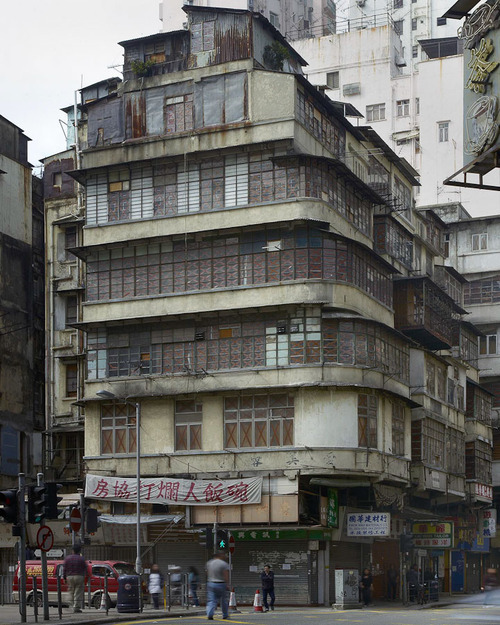
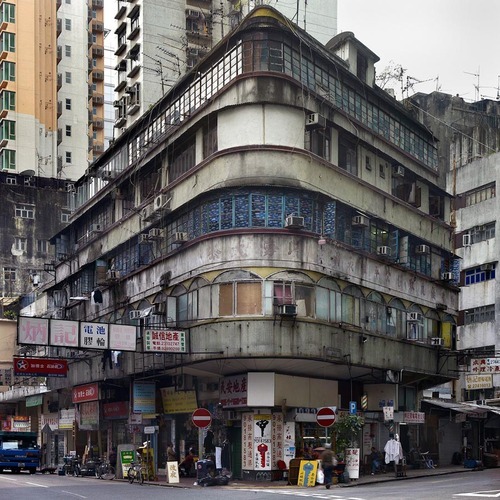
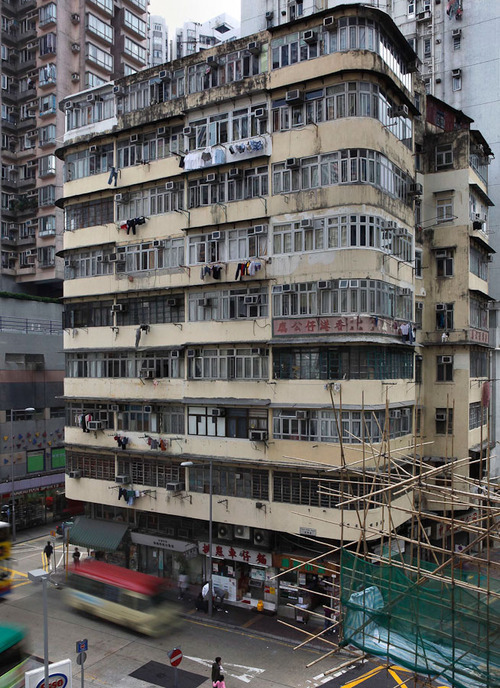
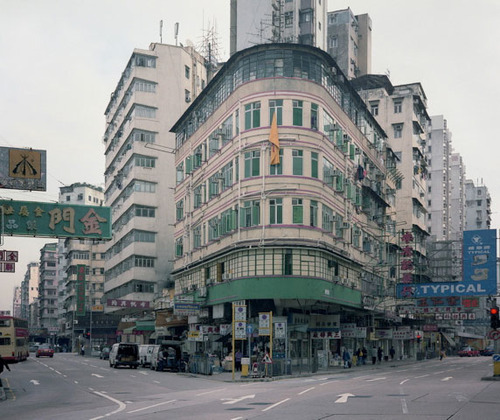
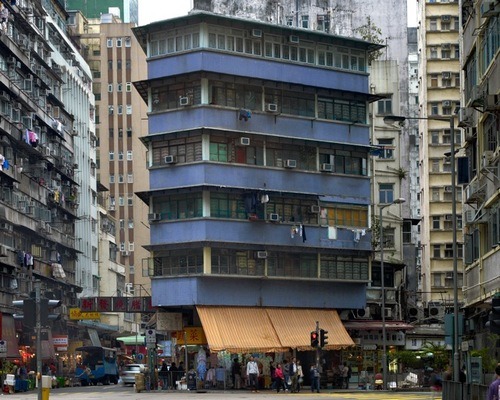
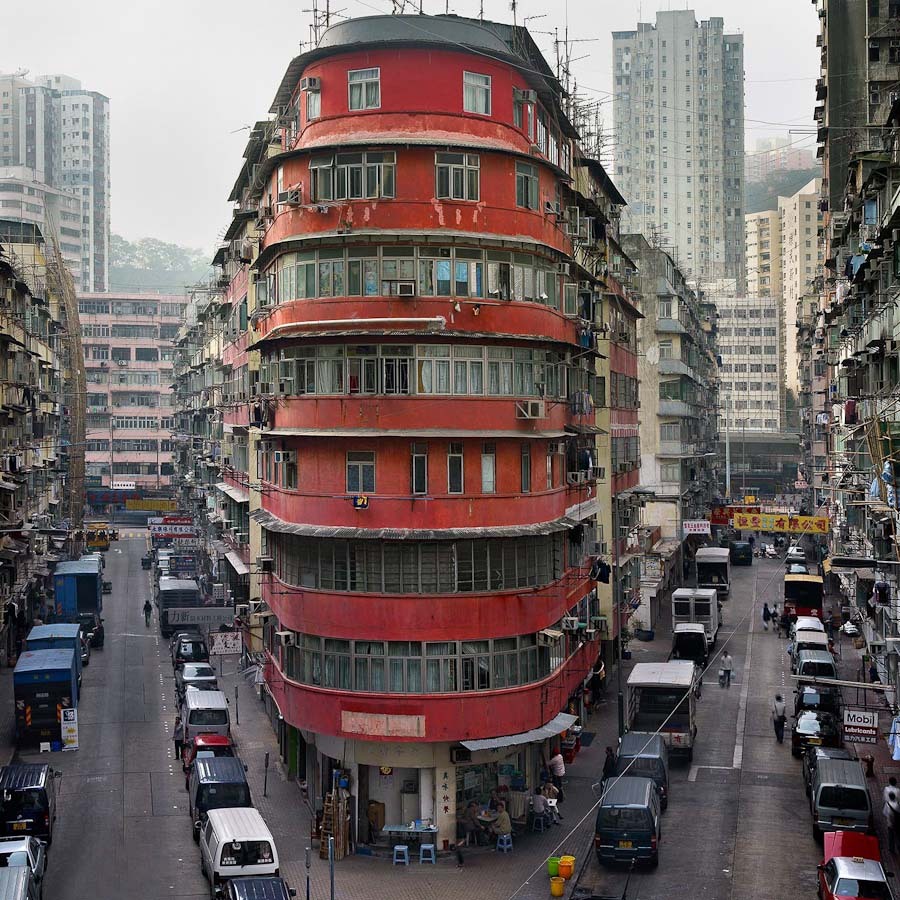
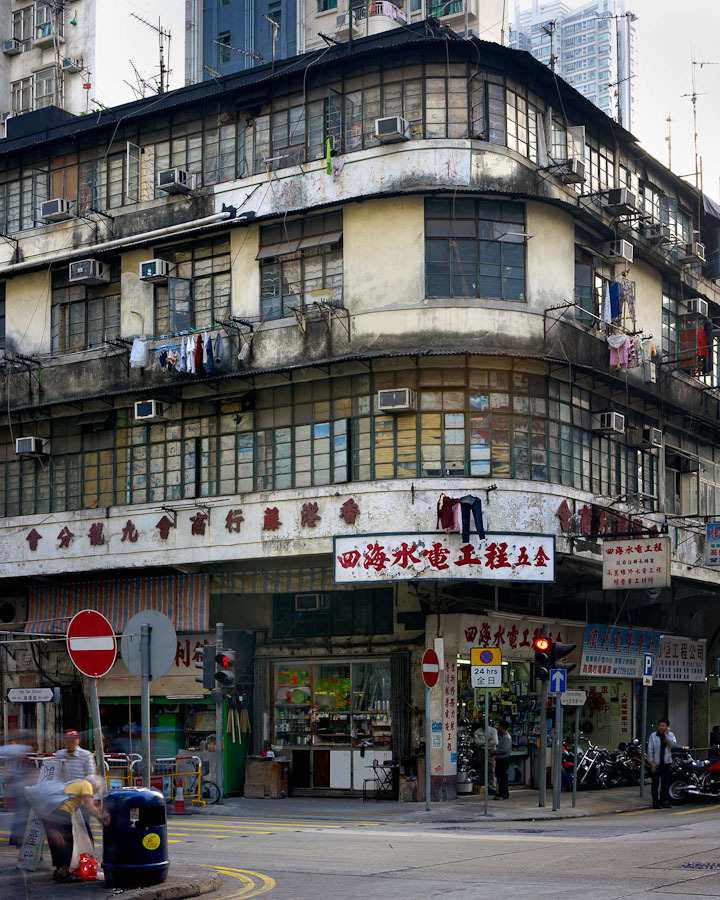
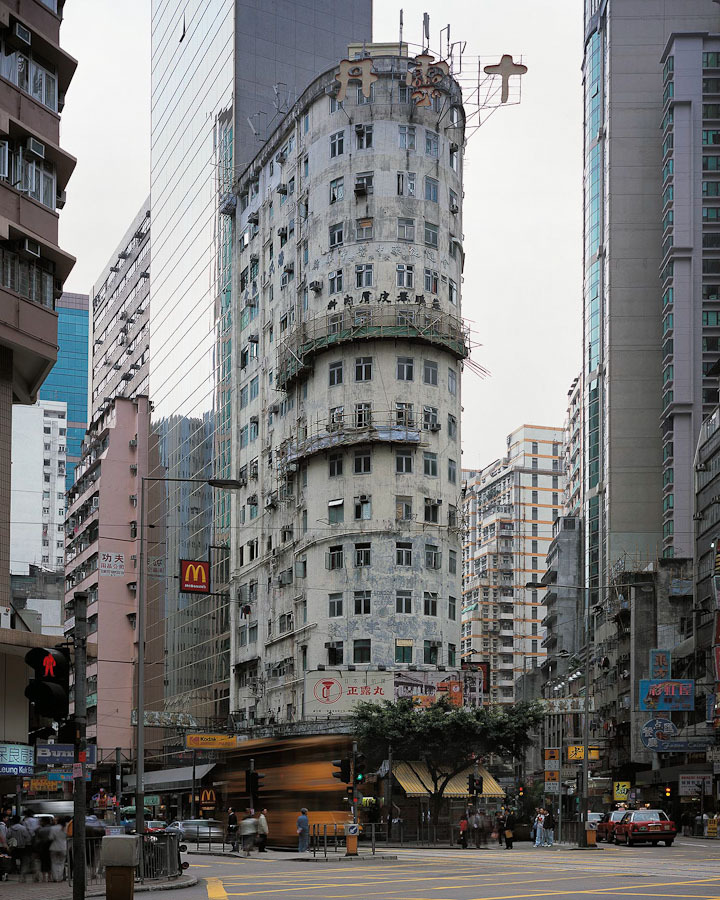
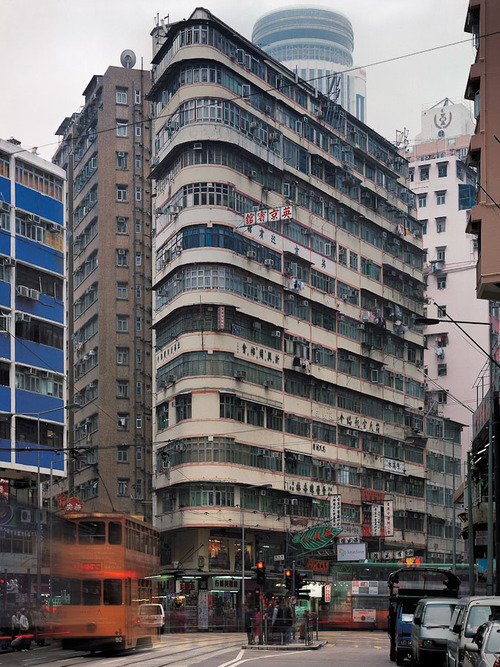
In “Hong Kong Corner Houses,” the internationally renowned German photographer Michael Wolf continues with his visual quest for the overlooked and underappreciated urban phenomena that give a city its special character.  This time, he draws our attention to Hong Kong’s urban corners and buildings that are often inconspicuous amid the high-rise, high-density urban clutter of Hong Kong.  These ordinary residential-commercial buildings of 1950s and 1960s vintage represent the expression of local Chinese pragmatism and expediency in the economic austerity of early postwar decades.

The photographic presentation captures the inherent paradoxes of their architectural character:  the quiet prominence, attractive banality, and tectonic chaos that give urban Hong Kong its endearing quality.  Complementing the superb photographs of Michael Wolf, “Hong Kong Corner Houses” features an essay and extended captions by two of Hong Kong’s best-known academics in the field of architectural conservation, Drs. Lynne DiStefano and Lee Ho Yin.

— Hong Kong Corner Houses


image

Michael Wolf is best known for his ‘Architecture of Density’ work in Hong Kong, but another collection from HK University Press showcases some of the city’s more classic heritage.  ‘Progress is often equated with destroying the old and bringing in the new,’ says the German-born photographer…


image

…They were mostly constructed in the 1950/60s…


image

…Whilst some of the structures featured below are barely three decades old, the pace of development means such architectural curiosities are becoming an increasingly rare sight…


image

…This style of building is more common in older areas of Kowloon…


image

..Illegal structures remain an issue with these low-rise buildings, but many have been destroyed since a clean-up began in the 1990s…


image

…Most are under 10-floors tall. This was because the law required an elevator to be installed if a building was over 10 storeys, and also due to the presence of the old Kai Tak airport…


image

…The style is reminiscent of early American modernist skyscrapers – curved facades with strong vertical and horizontal detail…


image

..The 2008 collection pays homage to this overlooked and underappreciated urban phenomena and photos were once displayed around the MTR system…

— Michael Wolf’s Hong Kong Cornerhouses

I think I belong in Hong Kong. In 1970.

I know this is real netpicky but while LA was super super white especially compared to now during the period you mentioned,...

Anonymous asked: I know this is real netpicky but while LA was super super white especially compared to now during the period you mentioned, there were a few other big cities in America that were even whiter. I checked and statistically it's true but also just from intuition and the Zoot suit riots

[2/3]  And by a few I really mean a lot, New York, Detroit, Chicago, and every city in the midwest and northeast were whiter than LA in 1940. Not by a huge margin always but still whiter.

[3/3]  And if you mean before or after 1940 there were plenty of large cities that were whiter than Los Angeles at those times too.            

Huh. Fuck. That’s one of the things I thought I remembered from Prof. Blumin’s lectures but I don’t have the notes at hand and your pushback’s making me question things.

I do think he was talking about the prewar, pre-Second Great Migration boom, but my “Golden Age” and the implication that an inhabitant would live to 1992 in throws that and you say even then.

I’m wondering if I mangled the line (maybe it was “most Anglophone, most native-born”, to distinguish from the Italian/Irish/Jewish/Polish/Czech white ethnics back east) or just fucked it up completely and am flat wrong. In any case, don’t have confidence in it anymore, I’ll withdraw it. Thx.

Layoffs Hit Slate

Layoffs Hit Slate

Failing liberal webmag Slate rebrands as anti-Trump resistance, still faces layoffs. Sad.

Tagged: it's media thanks trump

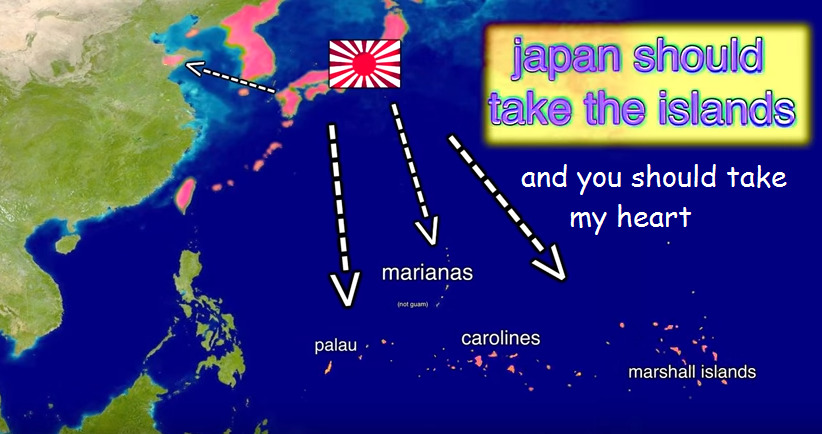
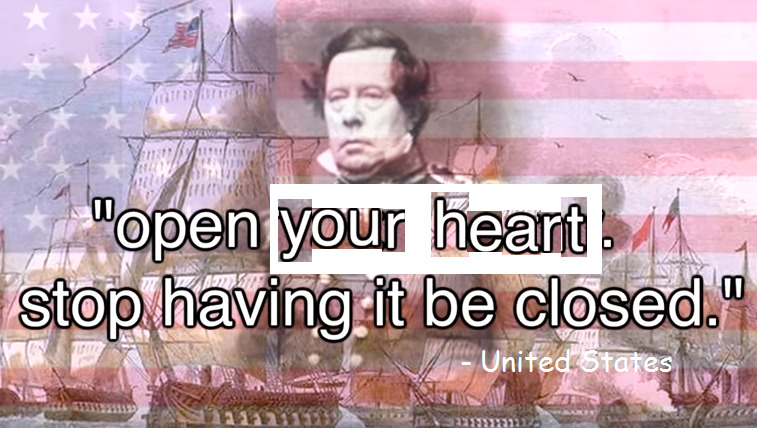
i made some history of japan valentines

procyonvulpecula:

i made some history of japan valentines

Tagged: history 歴史

JFC, the Terminator 2 chase down the LA Viaduct is SO GOOD all those memories from the local computer expo commercials too

JFC, the Terminator 2 chase down the LA Viaduct is SO GOOD

all those memories from the local computer expo commercials too

found on reddit

argumate:

flowingblades:

found on reddit

plenty of fish in the sea

Another humans are weird space orcs idea because I really like thinking about it. What if aliens have no idea how to hide their...

beka-tiddalik:

amy-vic:

beka-tiddalik:

thegrape-gatsby:

Another humans are weird space orcs idea because I really like thinking about it. What if aliens have no idea how to hide their emotions? Like, they suck at poker because they can never keep a straight face or anything. or, on a darker note, their ship is hijacked and they can’t keep the fear out of their faces, but all the humans look cold and emotionless to them. Other aliens hating having to bargain with humans becase we can bluff and keep our emotions in check so well, but when they get frustrated it’s all over. Pirates threaten the space ship and they send the human to do negotiations, and the pirate talking is super confused because no matter what threat he makes, the human just doesn’t seem to be fazed one bit.


Someone please, feel free to add to this, I love to see what else people come up with!

@space-australians

Okay, but now I’m thinking about how this ability is used in the context of animal training/hostage negotiation/teaching/customer service. Not just looking stone-faced, but completely lying with affect, body-language and vocal tone to seem calm, friendly, relaxed and in control of the situation in order to build rapport with an animal or person and to de-escalate aggression in a situation.

Proximity alarms start going off. A vessel is approaching.

Camilian: <looks at viewscreen> “Oh zark it, it’s the Parg.”

Egrat: <Dashes over> “Oh erting fraknabs, we’re dead.”

Human Crewmember:“The who?”

Camilian: <shudders>: “The Parg. Remember the civilisations living on those five planets Lei-ward of Helios 6?”

Human: “No? I thought that system was empty of sentient life.”

Camilian: “Exactly.”

 Human: “…ah.” <looks at flashing lights on console> “They appear to be hailing us.”

<Camilian and Egrat scuttle backwards away from console.>

Human: “…thanks a bunch, guys.” <presses hail pick-up button> “This is Communications Officer Haley Makini of the Starboat Fribling, how may I help you?”

Parg ship: “This is Zek of Parg.”

Human: “Hello Zek! How are you feeling this day-cycle?”

Parg Ship: “…”

Human: “I for one have been missing my family lately, I got a vidcall from my little sister and my cousins - same-generation kin-people - and they told me that cousin Wendy is getting married to her girlfriend Mila, isn’t that nice? So I’m really hoping I can make it to the wedding - that’s romantic lifebond ceremony - because otherwise they’d all be sad, they told me so. Do you have any family - lifemates or brood or other kin-people back in your home-system Zek?”

Parg Ship: “…Zek of Parg has brood of five. All Smallings, but soon Biglings. Soon.”

Human: “Oh! You must be so proud of them!”

Parg Ship: “… Yah. Good future replacements for Parent-bodies for Glory of Parg.”

Human: “And that’s all any of us could want! Imagine how sad our kin would be if either of us were to fail to make it back home! That’s why I want to help your ship Zek, in any way we can. The Fribling is only a small ship, but we have some surplus goods and skills to offer if you need anything from us.”

<long pause>

<No one on board the Fribling speaks, but Egrat has anxiously chewed their claws to the quick>

Parg Ship: “Have Lucrum cable? Parg Ship underengine in poor condition, jury-rig not hold, need hitch-tow to Dellar System.”

Human: “Oh, that’s only 8 parsecs away. Sure, hah, we can manage that. No problem.”

<78 minutes later, after the two ships have been attached via Lucrum cable>

Parg Ship: “…What kind you?”

Human: “Huh? ….oh, I’m a human. I’m from Sol 3, Earth.”

Parg Ship: “… Parg remember this. Parg remember Haley Makini. Parg remember Human.”

Human: <blinks> “…thank you!”

<communication connection closes from Parg end>

<Human sinks to ground, hand on chest, hyperventilating slightly>

Human: “HolyfuckhowdidIpullthatoffohholyfuck!”

Camilian: “Wait, you were scared too?”

Human: <glaring> “Cam, we’ve worked together how long? I’d have thought that by now you’d trust my threat assessment abilities. Phew! That one was so close I felt the breeze going past.”

Egrat: “…how. How did you just do that?”

Human: “It’s not hard.  Stay calm, just keep smiling, and build rapport by pretending to care about their problems, and meanwhile showing that you’re a real thinking being. Tends to defuse situations rather than escalate them.”

Egrat: “…I think I saw what you did, but where did you learn how to do that?”

Human: “5 years customer service experience.”

I appreciate that you lumped customer service in with both animal training and hostage negotiation, I won’t lie. Mainly because, oh god, I have had those customers. *shudders*

Me too @amy-vic me too. O.O

I repeat, universal domination response to predatory mammals is “look them straight in the eyes, reflect them back to themselves with complete confidence”

the world is not real

disexplications:

the world is not real

Tagged: same 2017

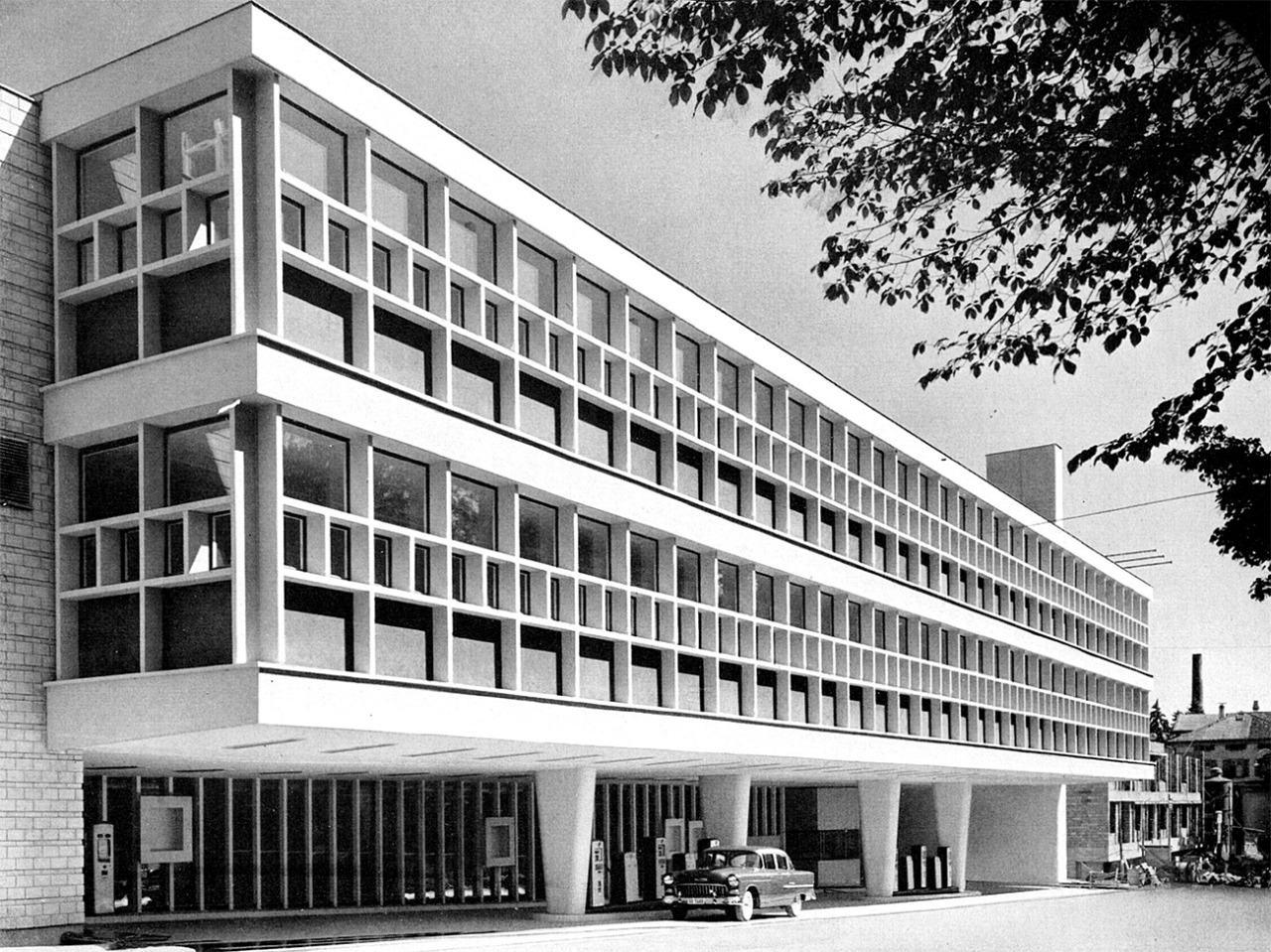
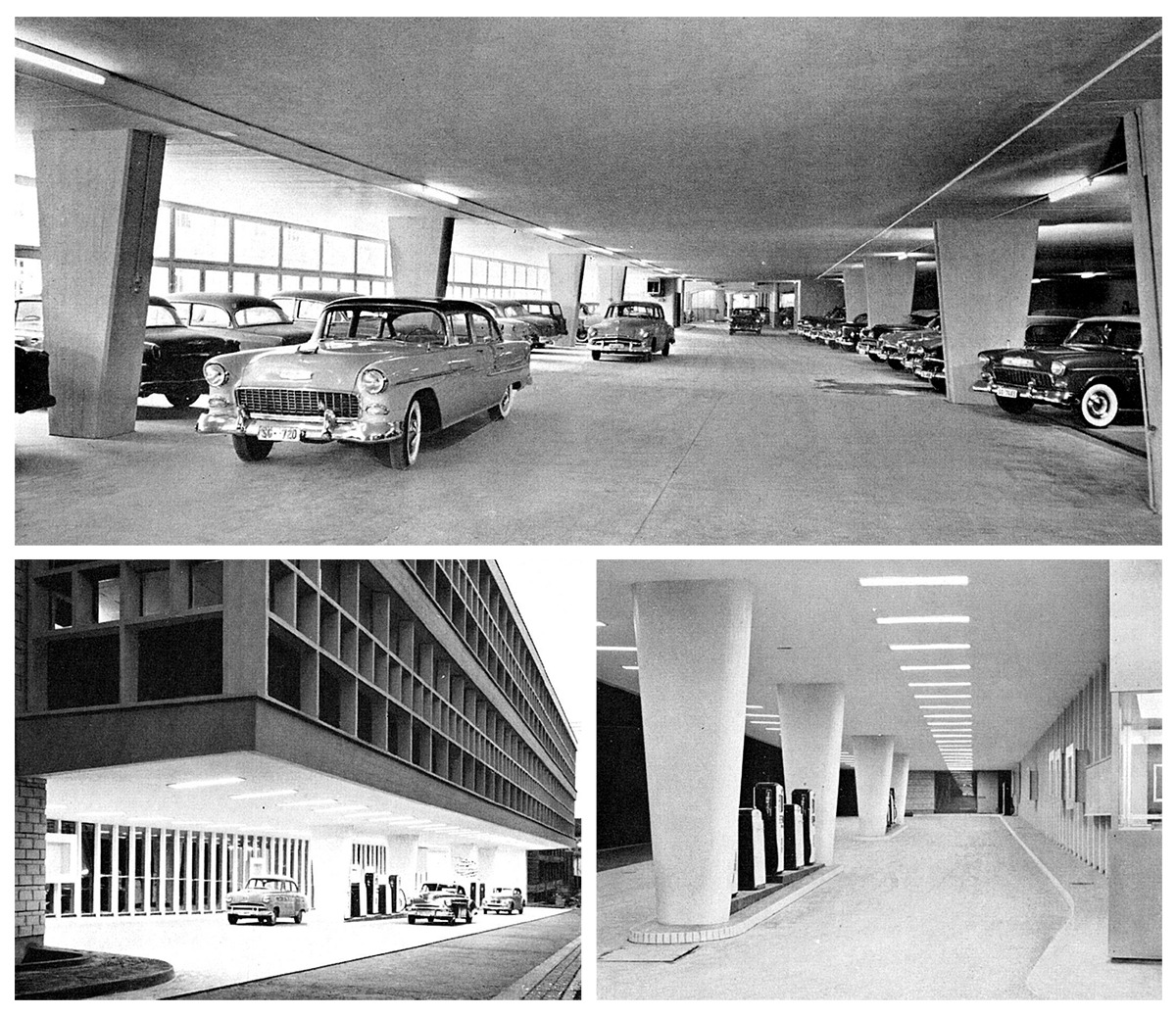
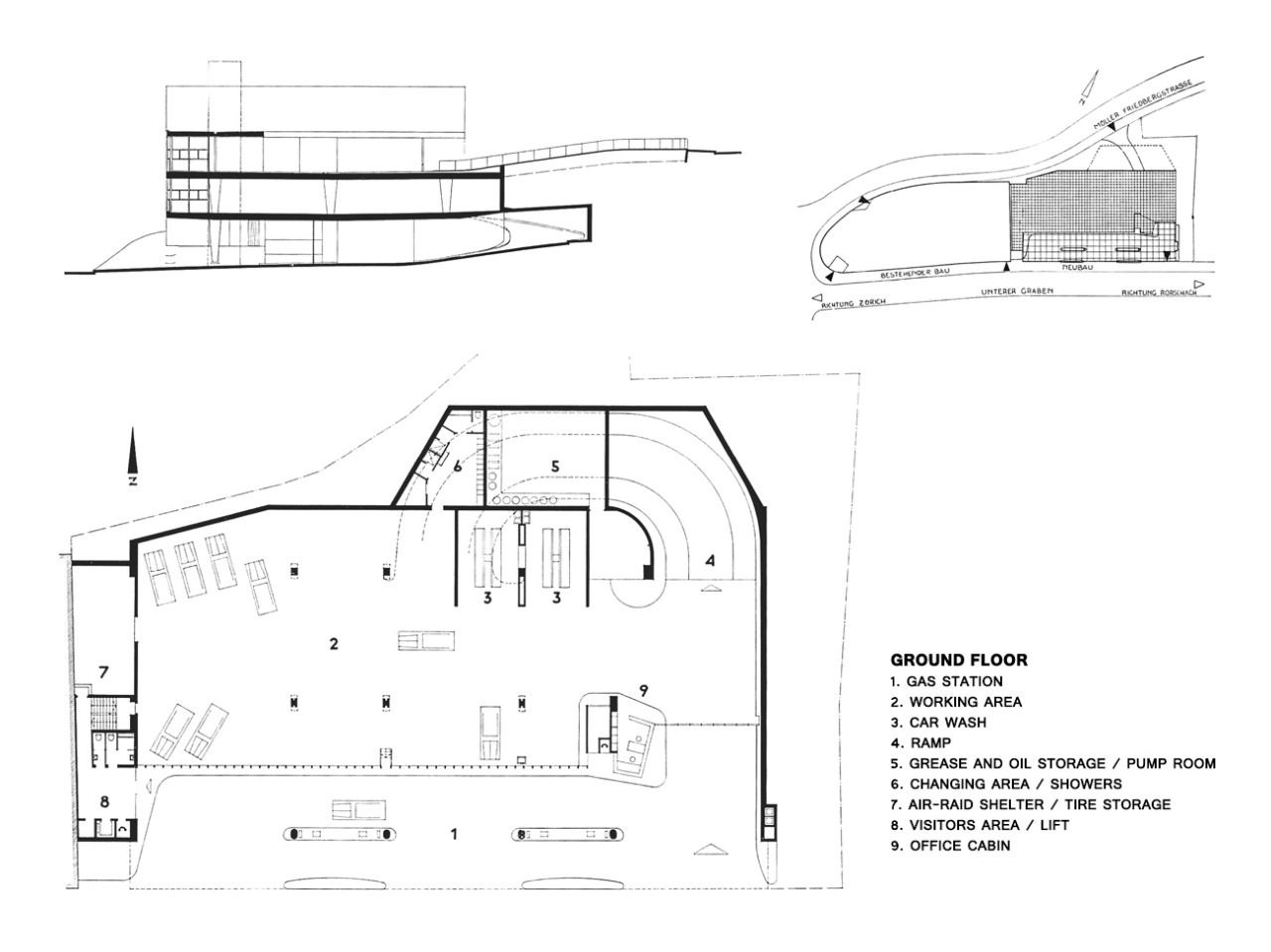
Central Garage at Unterer Graben, extension St. Gallen, Switzerland; 1953-55 Ernest Brantschen, architect Scheitlin, Hotz &...

elarafritzenwalden:

Central Garage at Unterer Graben, extension
St. Gallen, Switzerland; 1953-55

Ernest Brantschen, architect
Scheitlin, Hotz & Zähner, engineers
(photographs by Groß – St. Gallen)

see map

via “(Das) Werk, 42” (1955)

Tagged: badger the cat

That thing about the liberal-socialist divide over subsidies that you pointed out was false, where did the original...

Anonymous asked: That thing about the liberal-socialist divide over subsidies that you pointed out was false, where did the original misinformation come from?

It was some guy with the Simpsons phone gag name of “Jack Meserve”, writing an essay here. It was linked off the image and for the future when you see an image of text you can usually find the original by google searching a long enough quote.

As for where it came from I guess it was off the top of his head as a mistaken sense of how history was, and it’s not like I’m in the best position to give him shit for that.

For all my “same as it ever was” enthusiasm for reminding people of continuity and recurrence across the ages, the opposite error must be just as common, people thinking that things specific to their age were the way things were always done.

(My favorite examples of this are Victorian and Edwardian depictions of Ye Ancient Traditional Country Life as sedate pipe-smoking, when the countryside wasn’t that pastoral until Enclosure and pipes weren’t a thing until the imperial tobacco trade with America)

Tintin remembers what comes after 15.

ctoons:

ctoons:

drtanner-sfw:

ctoons:

Tintin remembers what comes after 15.

FUCKING HELL IT’S BACK FROM LAST YEAR

This literally gets reblogged every 15th of the month. It’s almost two years old. It’s beautiful.

listen up ya’ll this post is 6 years old now and you’re still reblogging it. every month. once a month, my notifications blow up for this one video, but only until the 16th. then the notes on this vid completely stop. it’s so eerily spot on and impressive how you just all collectively know what to do. if I’m not online, people irl still remind me that it’s the 15th. thank you for six surreal years of me wondering if I completely fucking lost it. here’s to the 15th

The Partisan Leader - Wikipedia, the free encyclopedia

The Partisan Leader - Wikipedia, the free encyclopedia

kontextmaschine:

The Partisan Leader; A Tale of The Future is a political novel by the antebellum Virginia author and jurist Nathaniel Beverley Tucker. A two-volume work published in 1836 in New York City and in 1837 in Washington, D.C. under the pen-name “Edward William Sydney,”[1] the novel is set thirteen years into the future, in 1849, and imagines a world where the American states south of Virginia have seceded from the Union. The story traces the formation of a band of Virginia insurgents who seek to free their state from federal control and adjoin it to the independent Southern Confederacy.

Tagged: rerun just too good man same as it ever was

what's your sharpie number?

Anonymous asked: what's your sharpie number?
Fuck if I know.

I’m not that into cleaning but I count taint with feces as requiring a lot of cleaning to ritually resolve back to purity, so I don’t really bother

Maybe if I had a water jet or something, I remember that was my earliest sexual context growing up, using a showerhead massager to fill up my butt, this was before I ever orgasmed (same showerhead) and it wasn’t leading to that, but it was a very satisfying fullness, and it helped that the other two pulse-jets could hit the base of my nuts where the dick-root is buried

somehow I glossed this in my head as having a too-big couch I needed to dispose of

(when I later had penis-in-vagina sex for a while I glossed it as a wooden sailing ship using a crane to offload netted crates of tea. DUDE WHO KNOWS)

This was an invitation to talk about butt stuff, right?

It was the priest as an idler and destroyer of the household, who gained ascendancy over women through the confessional, that...

It was the priest as an idler and destroyer of the household, who gained ascendancy over women through the confessional, that the soldiers and leaders attacked more than the priest as magician or upholder of the old order. The revolutionaire was no theologian. even if he talked of superstition, and the real reason for his prejudice against the confessional was the power he felt it gave the priest over his womenfolk. Such prejudices at times came near to misogyny and there are many examples of this in the expressions of the san-culottes, the commissairs and the representants en mission. This anti-feminism was fortified by the frequently furious opposition from the village women which they encountered on their iconoclastic missions-more than one revolutionaire had to take to their legs to escape their fury. But most of all the soldiers held a grudge against women because of the way they let themselves be seduced by the lying and lazy priests. At Bec du Tarn, Huegny, a Toulouse commissaire civil ‘thundered against fanaticism, and in particular against women, who were more easily seduced by it; he said that the Revolution had been made by men, and women should not be allowed to make it backtrack…” Dartigoeyte, representant en mission in the Gers, gave vent to similar feelings in his tirade against the devotes of Mirande: “And you, you bloody bitches, you are their whores [the priests’], particularly those who attend their bloody masses and listen to their mumbo jumbo,’ but he also had a word for the “jean-foutres of husbands who are naive enough to accompany them [and who] simply show what cuckolds they are by doing so.’

From The People’s Armies by Richard Cobb (via lovegodsmashtyrants)

“The Cathedral has cucked us!” - the fucking French Revolution

Tagged: rerun history same as it ever was nationalism

me: haha remember in the '80s when there was a radfem/Christian conservative coalition against porn? me: and remember how it was...

me: haha remember in the '80s when there was a radfem/Christian conservative coalition against porn?
me: and remember how it was pushed back by like, BDSM lesbians? haha they never really figured into anything else what was that?
also me: they were kind of representing the then-current "queer kink sex fun" tendency in America, on account of they were the ones not busy dying of AIDS

Tagged: history amhist