swipe right
On the “Santa Claus and Batman are the dual faces of the new American God” tip - how lazy is it that when Americans built out their pantheon they just called the trickster “The Joker”?
(CrossFit is cover for the return of cardio)
James Turrell (b. 1943, Los Angeles, CA) - Baker Pool, 2002-2008. James Turrell’s Installation in the basement of a Greenwich, Connecticut barn belonging to Richard and Lisa Baker and their three children.
 James Turrell (b. 1943, Los Angeles, CA) - Baker Pool, 2002-2008. James Turrell's Installation in the basement of a Greenwich, Connecticut barn belonging to Richard and Lisa Baker and their 3 children
 James Turrell (b. 1943, Los Angeles, CA) - Baker Pool, 2002-2008. James Turrell's Installation in the basement of a Greenwich, Connecticut barn belonging to Richard and Lisa Baker and their 3 children
 James Turrell (b. 1943, Los Angeles, CA) - Baker Pool, 2002-2008. James Turrell's Installation in the basement of a Greenwich, Connecticut barn belonging to Richard and Lisa Baker and their 3 children
 James Turrell (b. 1943, Los Angeles, CA) - Baker Pool, 2002-2008. James Turrell's Installation in the basement of a Greenwich, Connecticut barn belonging to Richard and Lisa Baker and their 3 children
 James Turrell (b. 1943, Los Angeles, CA) - Baker Pool, 2002-2008. James Turrell's Installation in the basement of a Greenwich, Connecticut barn belonging to Richard and Lisa Baker and their 3 children
 James Turrell (b. 1943, Los Angeles, CA) - Baker Pool, 2002-2008. James Turrell's Installation in the basement of a Greenwich, Connecticut barn belonging to Richard and Lisa Baker and their 3 children
 James Turrell (b. 1943, Los Angeles, CA) - Baker Pool, 2002-2008. James Turrell's Installation in the basement of a Greenwich, Connecticut barn belonging to Richard and Lisa Baker and their 3 children
 James Turrell (b. 1943, Los Angeles, CA) - Baker Pool, 2002-2008. James Turrell's Installation in the basement of a Greenwich, Connecticut barn belonging to Richard and Lisa Baker and their 3 children
 James Turrell (b. 1943, Los Angeles, CA) - Baker Pool, 2002-2008. James Turrell's Installation in the basement of a Greenwich, Connecticut barn belonging to Richard and Lisa Baker and their 3 children
 James Turrell (b. 1943, Los Angeles, CA) - Baker Pool, 2002-2008. James Turrell's Installation in the basement of a Greenwich, Connecticut barn belonging to Richard and Lisa Baker and their 3 children
Money’s properties are my – the possessor’s – properties and essential powers. Thus, what I am and am capable of is by no means determined by my individuality. I am ugly, but I can buy for myself the most beautiful of women. Therefore I am not ugly, for the effect of ugliness – its deterrent power – is nullified by money. I, according to my individual characteristics, am lame, but money furnishes me with twenty-four feet. Therefore I am not lame. I am bad, dishonest, unscrupulous, stupid; but money is honored, and hence its possessor. Money is the supreme good, therefore its possessor is good.
I always thought “mana” would be a good name for a currency.
Okay so the first thing to appreciate is Wildest Dreams is a Lana Del Rey track. Not just the generally woozy instrumentation and vocals, not just the thematics, but very specific quirks - the way she pours syrup into her leading consonants (she used to sing with a twang, recall), the way she aspirates for emphasis in things like “this is getting good now”, “end” and “begins”, the transition on “say you remember me” at 2:38 where lush instrumentation abruptly drops out to a bedroom purr.
Ask me, Taylor Swift is less a musician than a master mimic who operates in the field of music (most of the time she’s mimicking her audience, which is Correct - the way to master predatory mammals, humans included, is to look them straight in the eyes and mirror them back to themselves with more confidence), and she does this occasionally.
Honestly I think it’s just to show off her professionalism as a performer and to throw a bit of shade, take a sound that’s getting attention and prove that she could trivially do that too if she wanted. (And really, is it that odd if the girl who’s known for writing hit singles just to be catty to her romantic rivals were to write hit singles to be catty to her professional rivals?)
ANYWAY, so Lana Del Rey’s brand identity is woozy Jet Age glamour Americana, and so in that context the video is kind of brilliant, the Old Hollywood international spectacle sitting right at the intersection of that and Taylor’s own 1989-cycle brand identity, the “I’m A Fucking Superstar Now” victory lap.
That’s one thing.
I guess the big thing about it in hot take land is that it’s a manifestation of colonial white priveleged racism, because that’s always the big thing about anything in hot take land. Aaron Bady, who is trying to make a name for himself as the American Richard Seymour, wrote the best of them but boil away the writing and the point is that the “Africa” setting is implicitly Kenya - colonial Kenya - which I suppose is true, and that this means the video is substantially in a colonial setting while not being about colonialism, which I suppose is true, and that it doesn’t even seem to feel any obligation to be about colonialism, which I suppose is true. Which seems about right for a Taylor Swift video tbh. So I wouldn’t say he’s wrong, just… tangent to anything interesting.
One point I think he could have stood to make though is that when you look at some of those shots - a boy with his arms around a girl as they gaze upon a golden field, etc. - this is actually some of the most countryfied imagery she’s used for a few album cycles.
So if you want to talk about Africa and whiteness and ownership, maybe mention how the video models whites-in-Africa using an established vocabulary of relationship between land and the reproductive unit drawn from an artistic tradition founded on settler-colonial volkishness and white indigeneity.
Or not. For those of us more interested in Taylor Swift in herself, the interesting thing is how the visuals in the video for what’s possibly the last single off 1989 almost come off as an attempt to retroactively place the song, and by extension the album, as much more in line with previous Tayswift canon. Shots like that attach a countryfied image to her first not-at-all country release.
But beyond that is the plot - there is a desirable boy, there is a girl (Swift), there is romantic tension between them that ends with the girl’s heart being broken but an assurance that this is error and a correct analysis would place her as most desirable.
And while that isn’t completely incompatible with the lyrics, it’s not something you could have extrapolated from the lyrics alone. (Really, things like “I can see the end as it begins” better suggest, as with other tracks on the album, an acceptance of relationships as distracting amusements with expiration dates.)
What it IS, though, is the signature Taylor Swift plot from her earlier albums. Which means that at the end of an album-cycle that was explicitly themed around “I’m not the heartbroken country girl anymore”, we get this almost after-the-fact “…or am I still, just a superstar now?”
And that’s interesting.
c86:
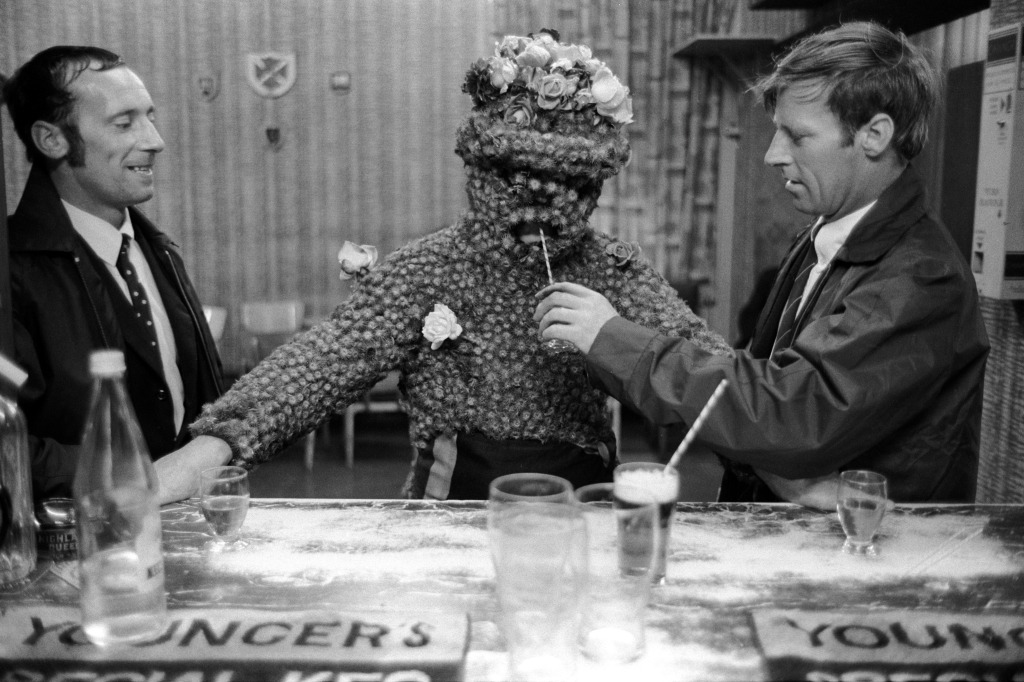
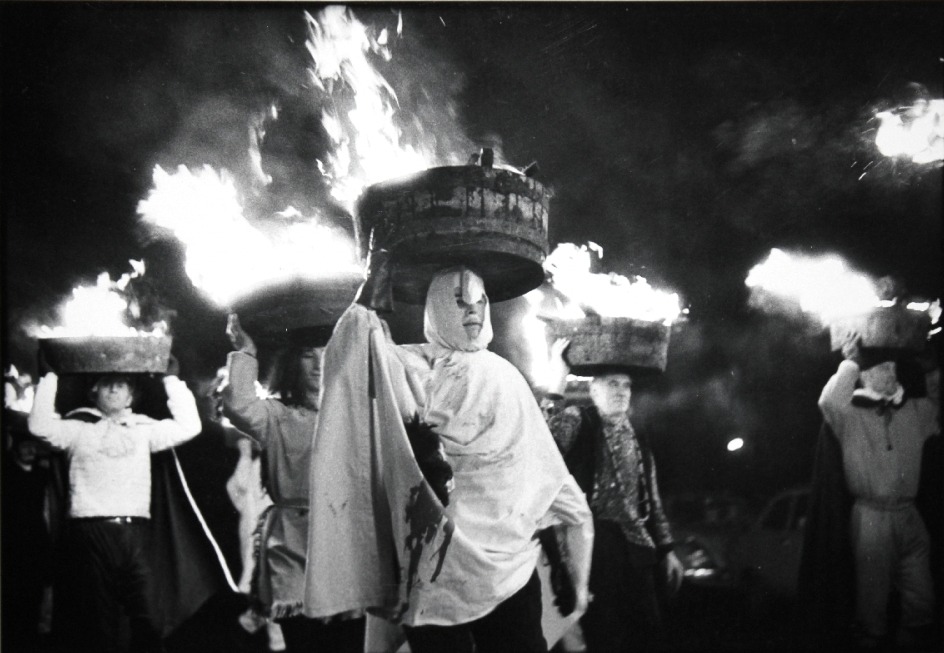
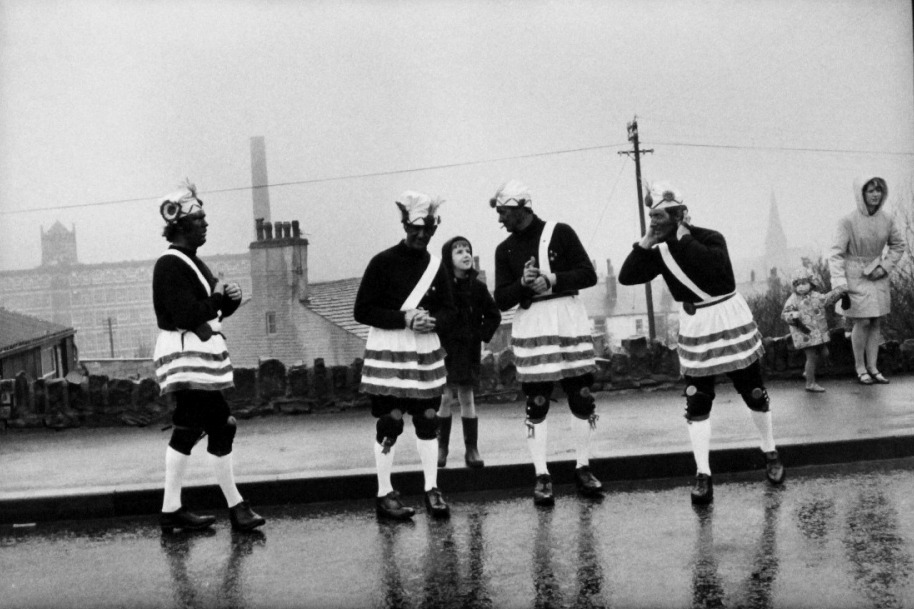
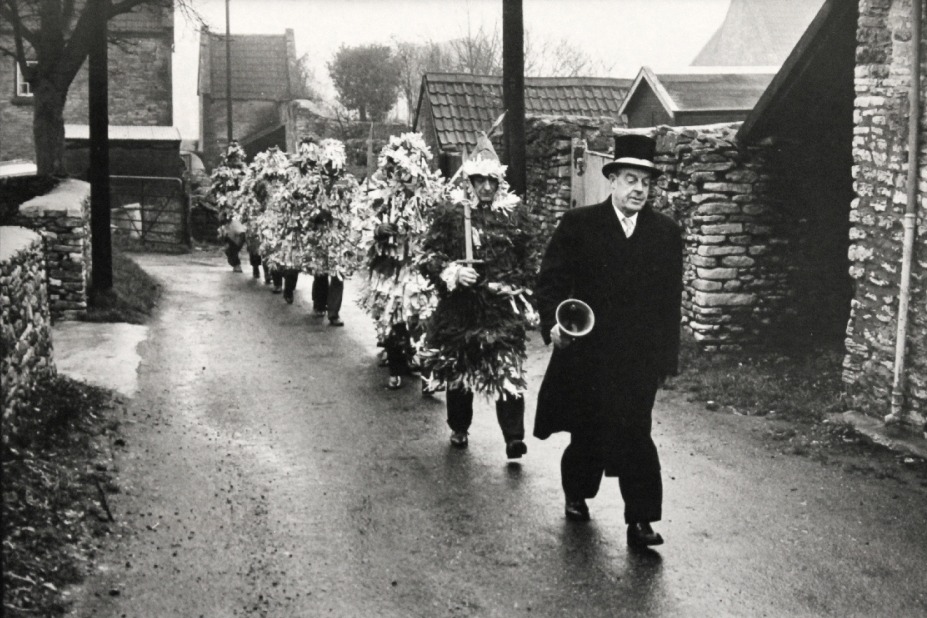
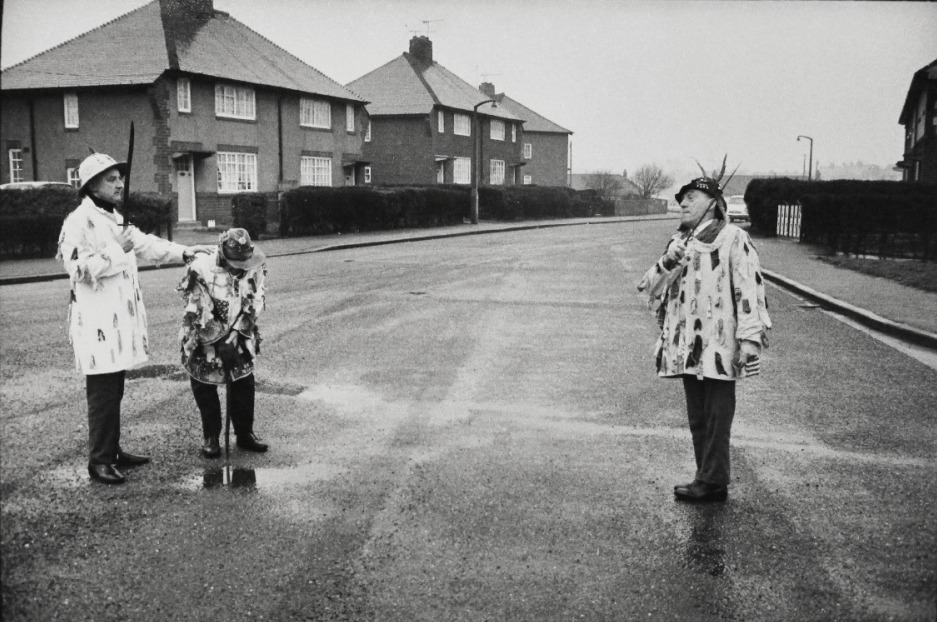
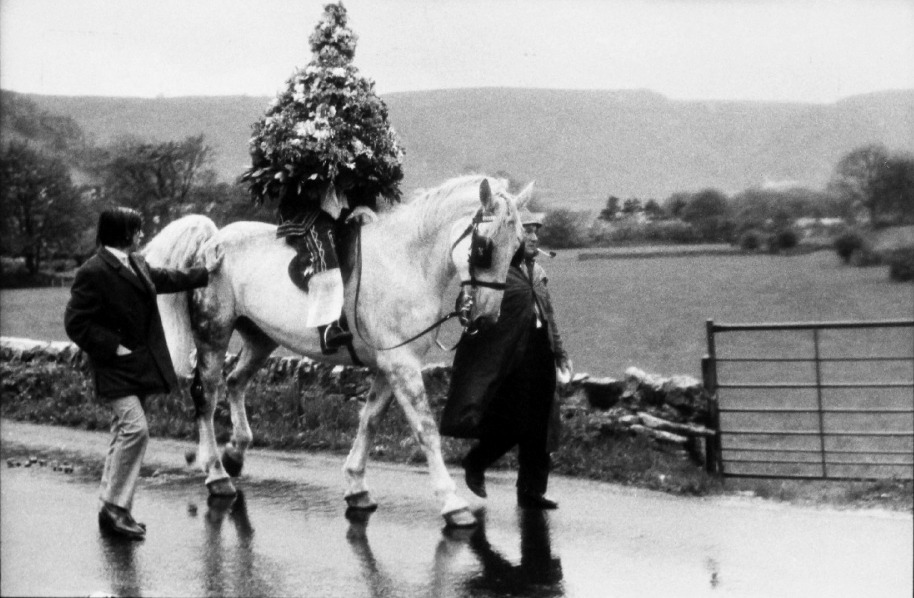
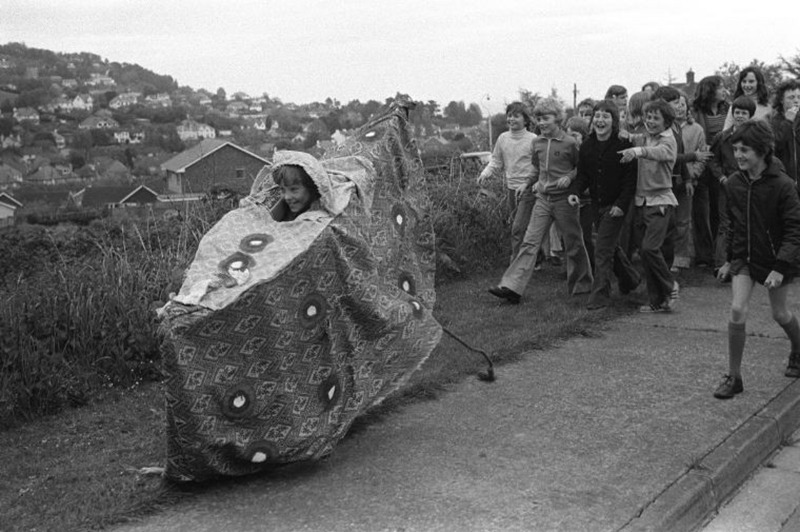
Homer Sykes - Taken from Once a Year: Some Traditional British Customs
The Haxey Hood Game, Haxey, Lincolnshire, 1972
The Burry Man taking a break from walking the towns boundaries, South Queensferry, Scotland, 1971
Allendale Tar Barrel Parade, 1972
Britannia Coconut dancers, Bacup, Lancashire, 1972
Marshfield Mummers Paperboys, Marshfield, Gloucestershire, 1972
Ripon Sword Dance Play, Boxing Day, Ripon, Yorkshire, 1972
The King on Horse Back. Garland Day, Castleton Derbyshire, 1972
Minehead Hobby Horse, Minehead Somerset, 1972
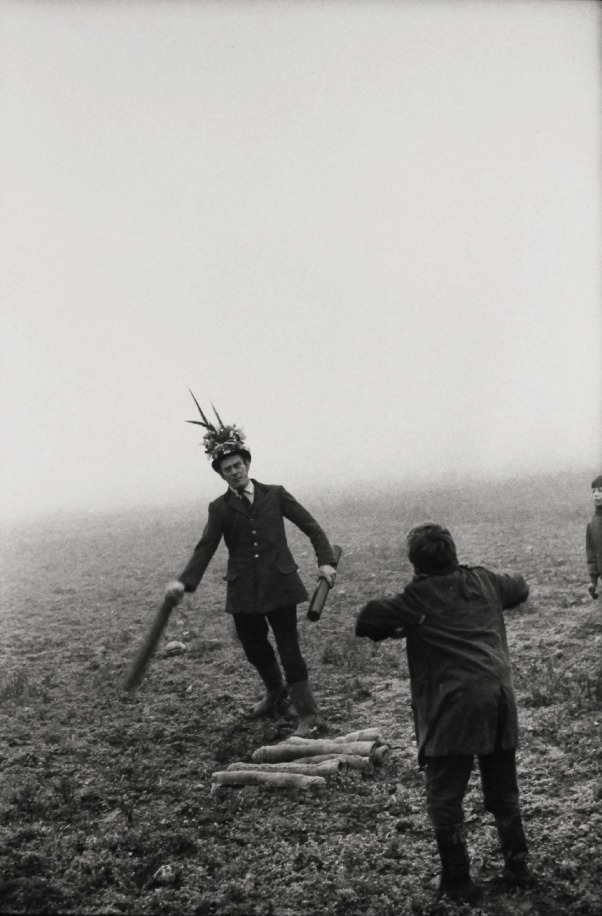
like i’ve been thinking about zombie fiction for the last month or so and all these things about it that frustrate me and leading me more and more to being so frustrated that it makes me wanna write my own damn thing and one of the things that’s eating me is, like, the tautological way zombie fiction stuff carries itself? that in this scenario, suddenly basically everyone will be out to kill each other save for small, shabbily formed groups, and the only communities that end up being semi-stable are almost constantly fascistic because blah blah blah “only the strong survive” and because it’s in control of the narrative it gets to present that in that sort of tautological way that’s so goddamn frustrating
anyway rick grimes should die
American zombie fiction is mostly an excuse to retell frontier narratives in a modern setting - a small band venturing into the wilderness, building civilized society, all while fighting off/exterminating the savage hordes. I’m honestly a little surprised I haven’t heard any tales set in a universe where where zombieism IS (or is rumored to be) reversible so you could do a captivity narrative.
A question for people who do good things that most people would consider exceptional or difficult, such as be vegan for moral reasons, or donate unusually high percent of their money to charity - is this hard for you? Like, do you have to constantly struggle with willpower issues and say “I know this isn’t what I want to do, but I’ll tough it out to make the world a better place”? Or does it just seem like the obvious action and proceed fluidly from your beliefs and values?
Switched over cleanly and immediately; in 3rd or 4th grade I saw some sitcom with a stereotypical Jewish mother guilt-tripping her son, realized that was a vulnerability, never assigned value to my parents’ wills qua my parents’ wills from there on
A year earlier I’d done the same with sunk costs and blunt trauma
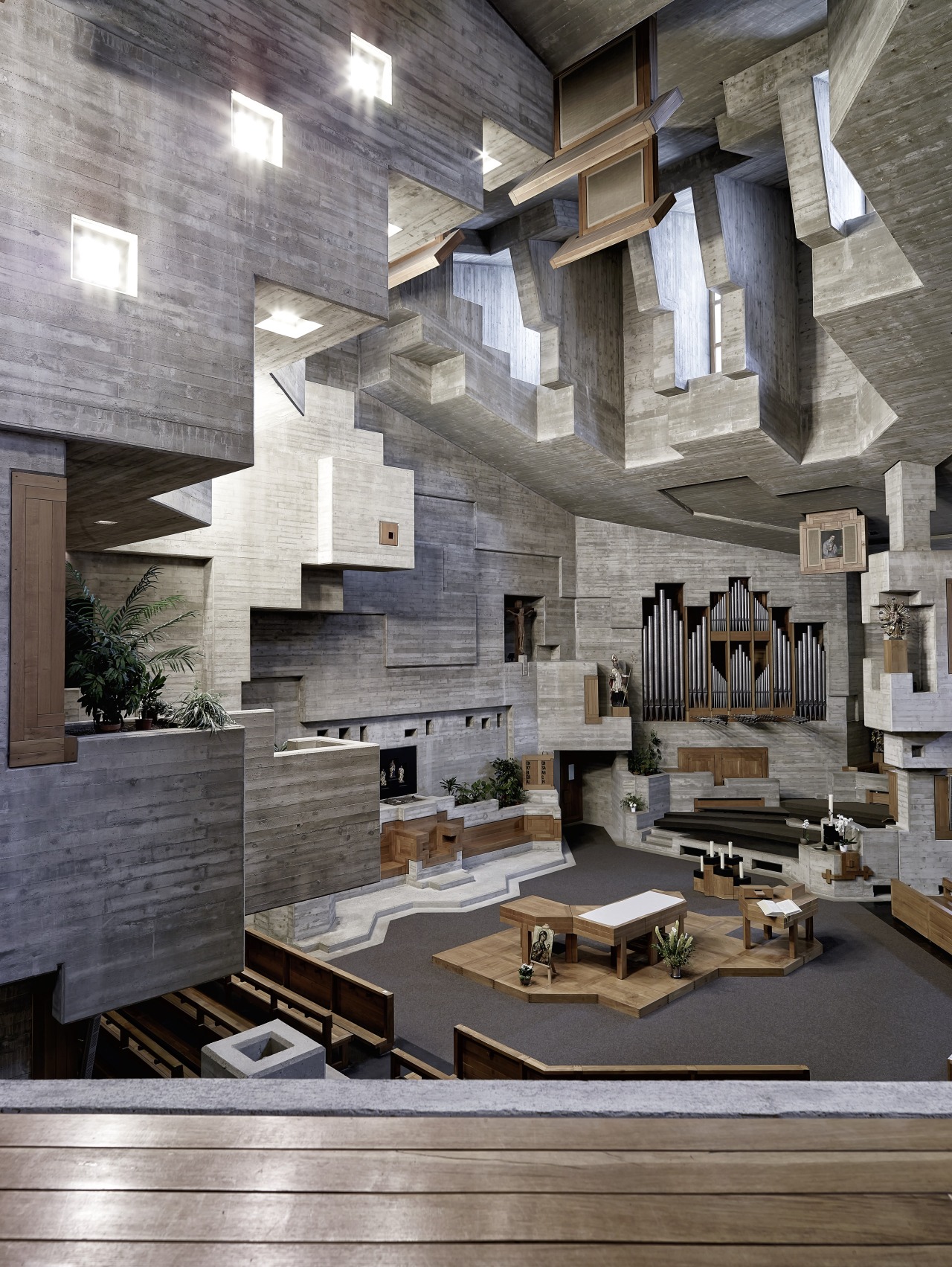
Walter Maria Förderer - St-Nicolas church, Hérémence 1971. Click for huge. Via, photos © Kuster Frey.

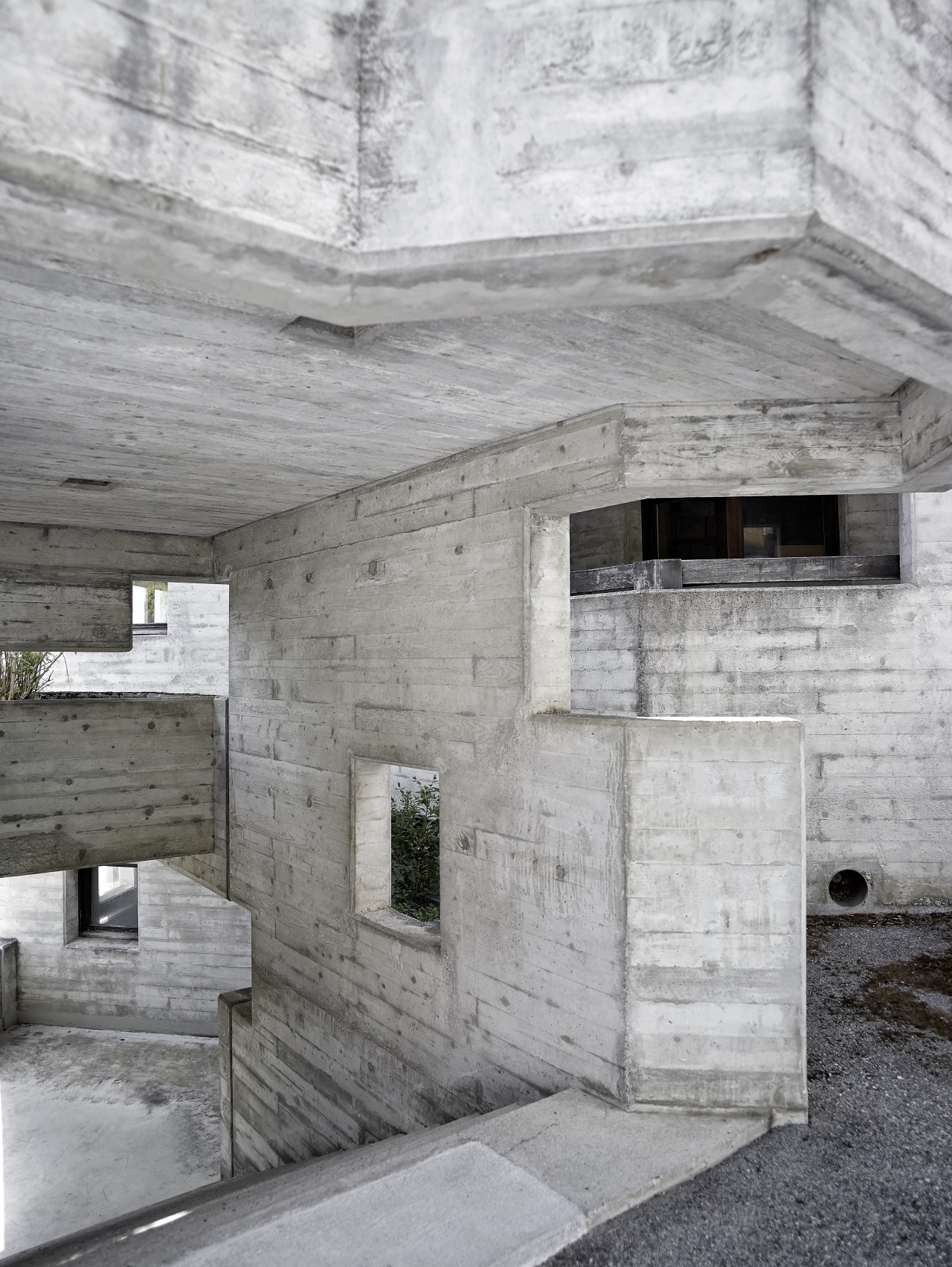
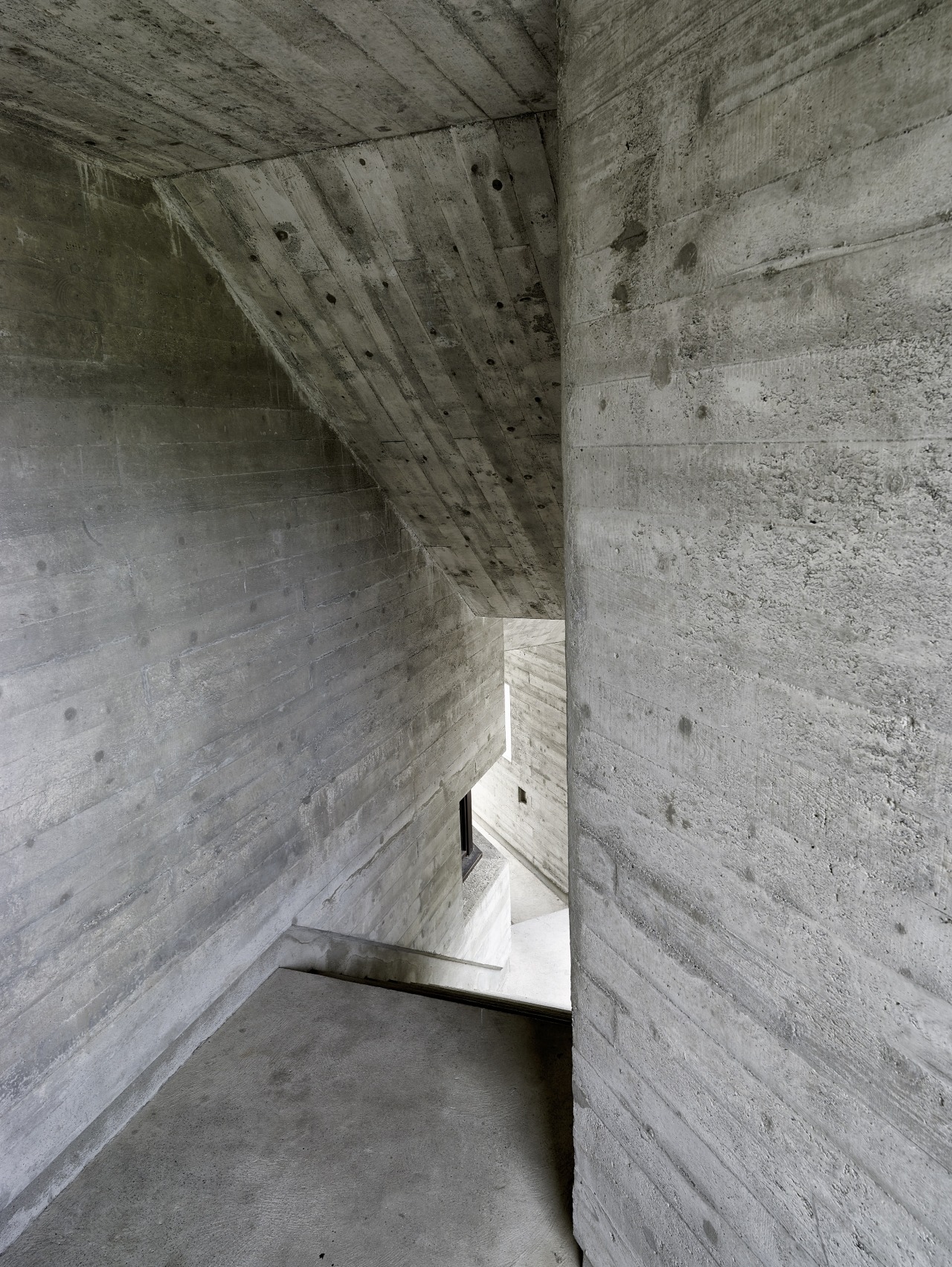
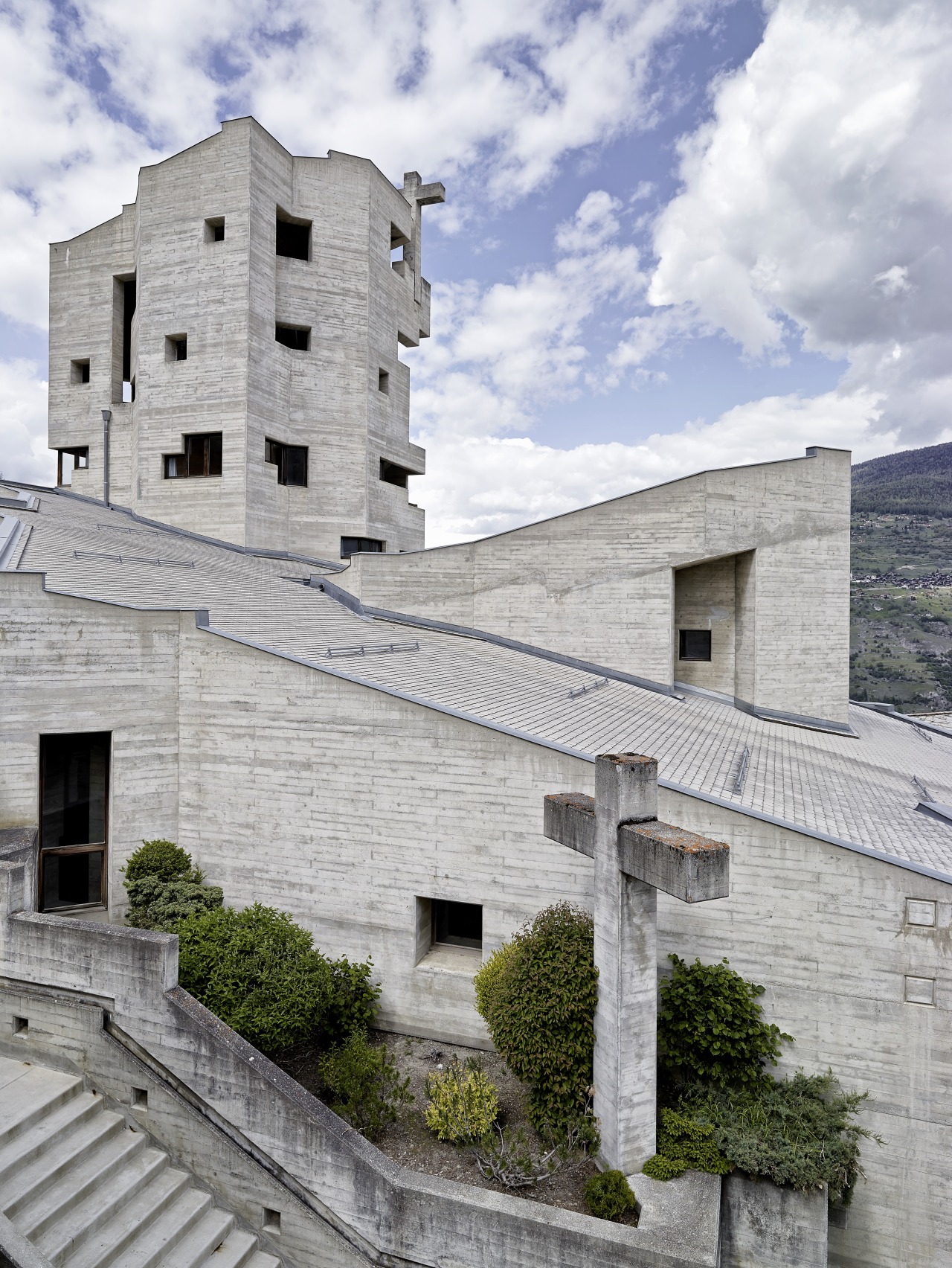
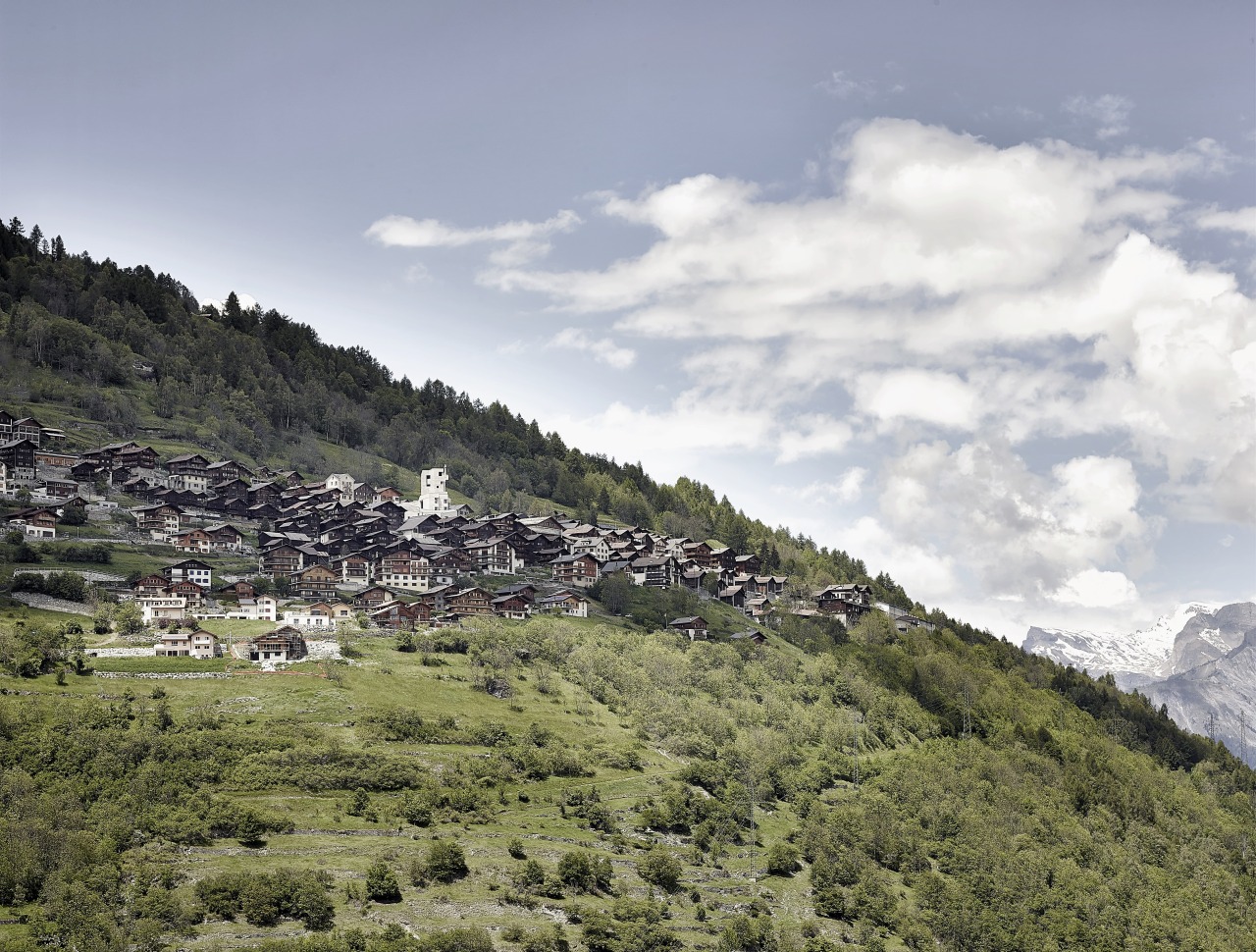
That the United States’ Constitution’s official procedures for amendment-by-convention are poorly designed, have not and will not be used, isn’t much of a failure. The system’s biggest purpose there in Article V is to retroactively legitimate the original Constitutional Convention (and by extension the rest of the Constitution itself), which exceeded the charge given to it by the Articles of Confederation system.
I say “will not” confidently, this is how things go and when it comes time for this system to cede to the next it won’t go according to this one’s rules and timetable but the next’s.
That’s something to have on the mind as we watch the Republicans press the limits* even of “constitutional hardball” and start to contemplate extraconstitutional hardball**. I maintain that the government shutdowns increasingly common since the 1990s represent an attempt by a Republican party strong in Congress to bootstrap a vote of no confidence into existence and assert parliamentary supremacy over a Democratic party strong in the White House.
Because both our civil wars have been secessions, we forget that civil wars can break out along other lines than regional - Mother Parliament’s claims on and then supremacy over the monarch were established in civil wars, and as Linz’s classic “Perils of Presidentialism” reminds us, legislative/executive wars on the same lines are quite common in systems like ours, which was after all an amateurs’ attempt to build a republic from of a blueprint of constitutional monarchy and a book of Plato.
* Though they’ve not yet exhausted the possibilities - jurisdiction stripping or getting weird with Section 2 of the 14th Amendment, or Section 4 of the 25th.
** In fairness, many well-established features of the American system like judicial review or “contempt of Congress” are extraconstitutional and were basically bluffed into existence.
In a year of politics where “that is absolutely ridiculous” and “yeah, that makes perfect sense” are starting to look more like synonyms than antonyms, George Zimmerman’s Twitter stardom is still a little stunning.
My thoughts on “beep-boopism”:
First, it’s very cleverly named such that I can’t actually talk about it without looking silly in front of the followers who aren’t in that circle already.
Second, in the social realm “what is true” is only really important as a non-exclusive input to “what is taken to be true”, which is in turn mostly important as an input to “what is taken to be legitimate”.
“Plausible Narrativism” addresses legitimacy, which strikes me as a much more useful approach than ones that address truth.